
Picture this: you come home after a long day, and a simple yet comforting dish is just 10 minutes away from transforming your evening. That’s the charm of Japanese rice soup, or Zosui, a delightful fusion of flavors that easily whisks you away to the heart of Japan. As the gentle steam rises, the savory notes of dashi fill the air, and suddenly, worry melts away.
I discovered this quick and nourishing recipe during one of my “fast food fatigue” phases—when the allure of convenience just didn’t cut it anymore. It’s surprisingly easy, making it an ideal choice for both busy weeknights and when you’re in need of a soothing bowl that feels like a warm hug.
With its flexible ingredients and effortless preparation, this dish not only satiates hunger but also invites creativity. Feeling adventurous? Toss in some seasonal vegetables or your favorite protein. In just ten minutes, you can enjoy a comforting bowl of happiness that pleases both the palate and the soul.

Why is Japanese Rice Soup a Must-Try?
Quick Preparation: In just 10 minutes, you can have a steaming bowl of comfort that fits seamlessly into your busy schedule.
Customizable Ingredients: With options for seasonal vegetables and proteins, you can easily tailor this dish to your taste preferences or whatever you have on hand.
Comforting Flavors: The combination of dashi and soy sauce creates a deeply satisfying broth that warms your soul with every spoonful.
Crowd-Pleasing Comfort Food: Perfect for sharing, this hearty soup appeals to both kids and adults alike, making it a fantastic choice for family dinners or gatherings.
Nutrient-Rich: Packed with nourishing ingredients, this Japanese rice soup supports a healthy lifestyle without sacrificing flavor. Try serving it alongside a side of homemade sushi for a full Japanese experience!
Japanese Rice Soup Ingredients
Dive into the delightful world of flavors with this quick and comforting dish!
For the Broth
• Dashi stock – A rich base that infuses your soup with umami flavor.
• Soy sauce – Adds a savory depth to the broth that perfectly complements the rice.
For the Soup
• Sushi rice – Cooked to fluffy perfection, this rice absorbs the flavors beautifully.
• Egg – Lightly whisked, it adds creaminess and protein to your bowl.
• Spring onion / green onion – Chopped for a fresh, crunchy finish.
Optional Add-ins
• Cabbage leaves – Shredded for a bit of tender crunch and added nutrition.
• Daikon radish – Sliced and quartered, it lends a subtle sweetness and a delightful texture.
• Carrot – Sliced and quartered, it brings a pop of color and natural sweetness.
• Shiitake mushrooms – Sliced for earthy notes that enhance the broth’s flavor.
• Enoki mushrooms – Pulled apart into clumps, they add a unique texture that’s fun to enjoy.
• Wakame – Dried, this seaweed introduces a briny flavor that enhances the soup’s profile.
• White sesame seeds – Optional for garnish, they add a delightful crunch to your finished dish.
Experience the joy of crafting your own Japanese rice soup—each ingredient is an opportunity to personalize your bowl!
How to Make Japanese Rice Soup
-
Boil the Dashi: Pour dashi stock into a donabe pot or medium saucepan and bring it to a boil over high heat for 3-5 minutes. If you’re adding vegetables or protein, this is the perfect time—continue boiling for another 5 minutes for maximum flavor.
-
Stir in Rice & Soy Sauce: Add the cooked sushi rice and soy sauce to the boiling dashi. Stir well, then reduce the heat to a simmer. Cover and cook for 3 minutes until heated through.
-
Incorporate the Egg: Pour in the lightly whisked egg and gently stir to mix it into the rice. Sprinkle the chopped spring onion on top, cover the pot, and turn off the heat. Let it sit for 2 minutes or until the egg is cooked to your liking.
-
Serve Your Soup: Ladle the comforting Japanese rice soup into bowls and enjoy! Optional: Garnish with white sesame seeds for an added crunch.
Exact quantities are listed in the recipe card below.
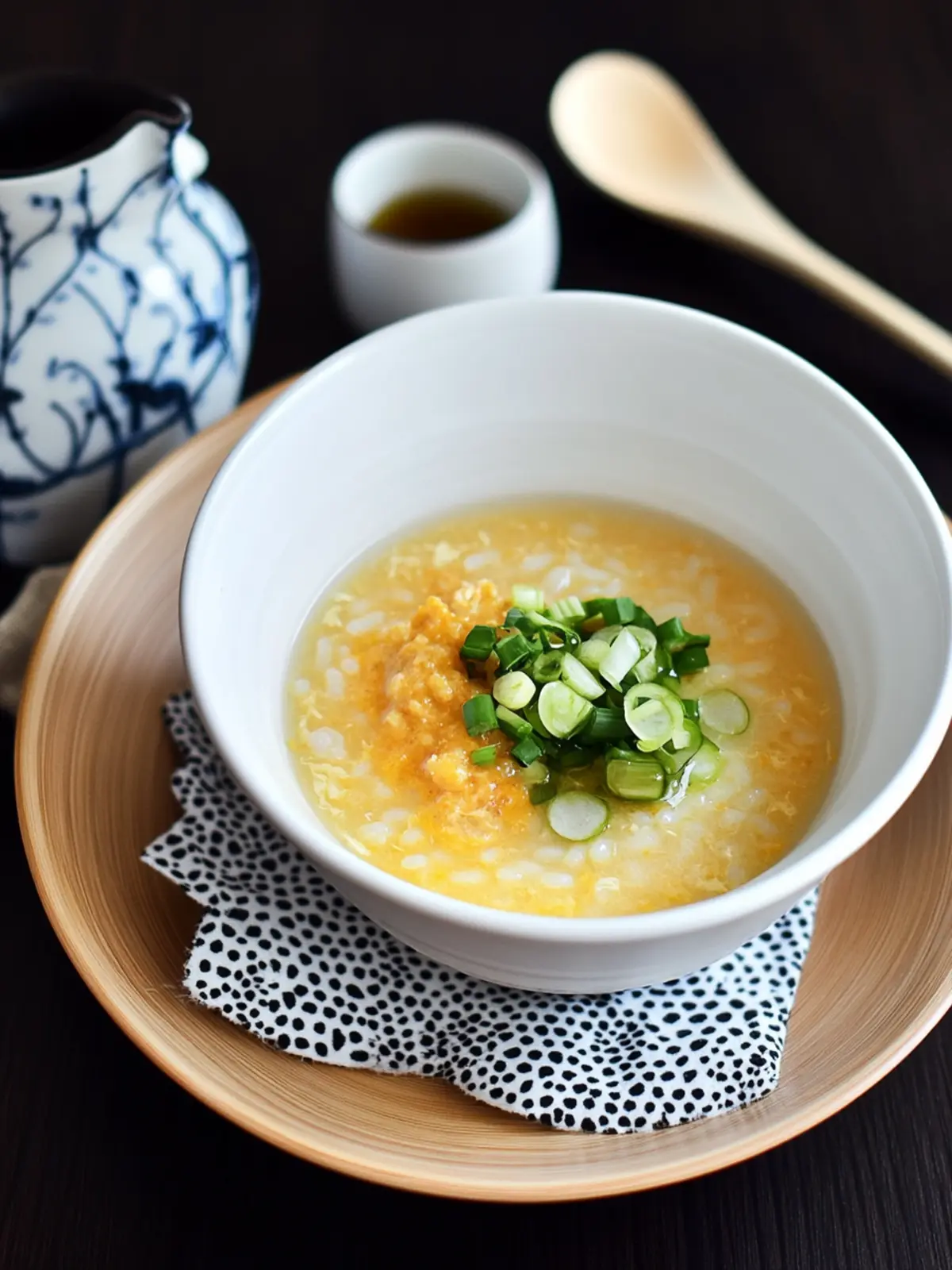
How to Store and Freeze Japanese Rice Soup
Fridge: Store leftover Japanese rice soup in an airtight container for up to 3 days. Reheat gently on the stove or in the microwave until hot.
Freezer: For longer storage, freeze the soup in an airtight container for up to 1 month. To reheat, thaw overnight in the fridge and warm on the stove.
Serving Fresh: This soup is best enjoyed fresh due to the texture of the rice and egg, so try to prepare only what you’ll eat in one sitting when possible.
Reheating Tips: When reheating, consider adding a splash of water or extra dashi to revive the broth’s consistency and flavor.
Expert Tips for Japanese Rice Soup
-
Use Fresh Dashi: For the best flavor, use freshly prepared dashi stock. Instant dashi can be convenient, but fresh makes a notable difference in taste.
-
Mind the Heat: When adding the egg, ensure you turn off the heat before incorporating it. This prevents overcooking and keeps the egg tender in your Japanese rice soup.
-
Customize Wisely: Be creative with your add-ins, but remember that not all vegetables cook the same. Chop harder veggies smaller to maintain uniform cooking time.
-
Proper Rice: Use sushi rice for the right texture. Regular rice may become mushy in this quick preparation.
-
Seal in Flavor: After stirring in the egg and spring onions, cover the pot before letting it sit. This step ensures all flavors meld together beautifully.
-
Garnish for Impact: A sprinkle of white sesame seeds adds both crunch and visual appeal, elevating your dish to restaurant-quality.
What to Serve with 10 Minute Zosui?
Enhance your comforting bowl with delightful sides and drinks that perfectly complement the soothing flavors of this warm Japanese rice soup.
-
Crispy Tempura Vegetables: Lightly battered and fried, these add a delightful crunch that balances the soup’s softness. Their golden exterior and tender interior create a textural contrast that’s truly satisfying.
-
Pickled Vegetables: A side of tangy pickles provides a zesty contrast to the warm soup, refreshing your palate with each bite. It’s a traditional Japanese accompaniment that enhances the dining experience.
-
Japanese Salad with Sesame Dressing: Fresh greens tossed in a nutty sesame dressing bring brightness and a hint of sweetness. This adds a fresh dimension to your meal, making it feel light and wholesome.
-
Yaki Onigiri (Grilled Rice Balls): These savory rice balls offer a chewy texture and smoky flavor, making them a delightful pairing with Zosui. They complement the soup’s warmth and add a heartiness that makes for a filling meal.
-
Miso Soup: A bowl of miso soup can enhance your Japanese dining experience. The rich umami flavor of miso pairs beautifully with the dashi in Zosui, providing an extra layer of comfort that warms your soul.
-
Green Tea: A soothing cup of green tea is the perfect drink to enjoy alongside Zosui. Its earthy notes refresh the palate and align beautifully with the soup’s delicate flavors.
-
Sweet Mochi Desserts: Finish off your meal with these chewy Japanese treats that add a sweet note. Their subtle sweetness and delightful texture wrap up your meal on a high note, leaving you craving more.
-
Sushi Rolls: A platter of colorful sushi rolls can elevate your dining experience with a variety of flavors and textures. Whether you choose veggie, seafood, or anything in between, they pair beautifully with the comforting nature of Zosui.
Make Ahead Options
These Japanese rice soup ingredients are perfect for meal prep enthusiasts! You can prepare the dashi stock (up to 3 days in advance) and refrigerate it in an airtight container. Additionally, you can cook the sushi rice and store it separately for up to 24 hours; this keeps it fluffy and prevents it from becoming mushy. To keep the spring onions and any optional vegetables fresh, chop and store them separately in the fridge (preferably in a sealed bag), saving you time and effort on busy nights. When you’re ready to serve, simply reheat the dashi, add the rice, stir in the whisked egg, and top with the fresh ingredients for a comforting bowl of Japanese rice soup that’s just as delicious as when you made it fresh!
Japanese Rice Soup Variations
Feel free to explore these flavorful twists and make this dish uniquely yours!
-
Vegetarian: Replace dashi stock with vegetable broth for a plant-based version that’s equally comforting.
-
Gluten-Free: Use tamari in place of soy sauce to keep the umami taste without gluten.
-
Spicy Kick: Add a dash of chili oil or Sriracha for a fiery twist that awakens your taste buds.
-
Creamy Delight: Stir in a splash of coconut milk before serving for a rich, creamy texture that’s simply divine.
-
Protein Boost: Toss in diced tofu or shredded chicken for added protein and a heartier meal.
-
Herb Infusion: Mix in fresh herbs like cilantro or basil right before serving to elevate flavors and add freshness.
-
Savory Miso: Incorporate a spoonful of miso paste into the broth for an extra layer of umami richness.
-
Cheesy Finish: Sprinkle some grated cheese on top just before serving for a comforting, unexpected flavor addition.
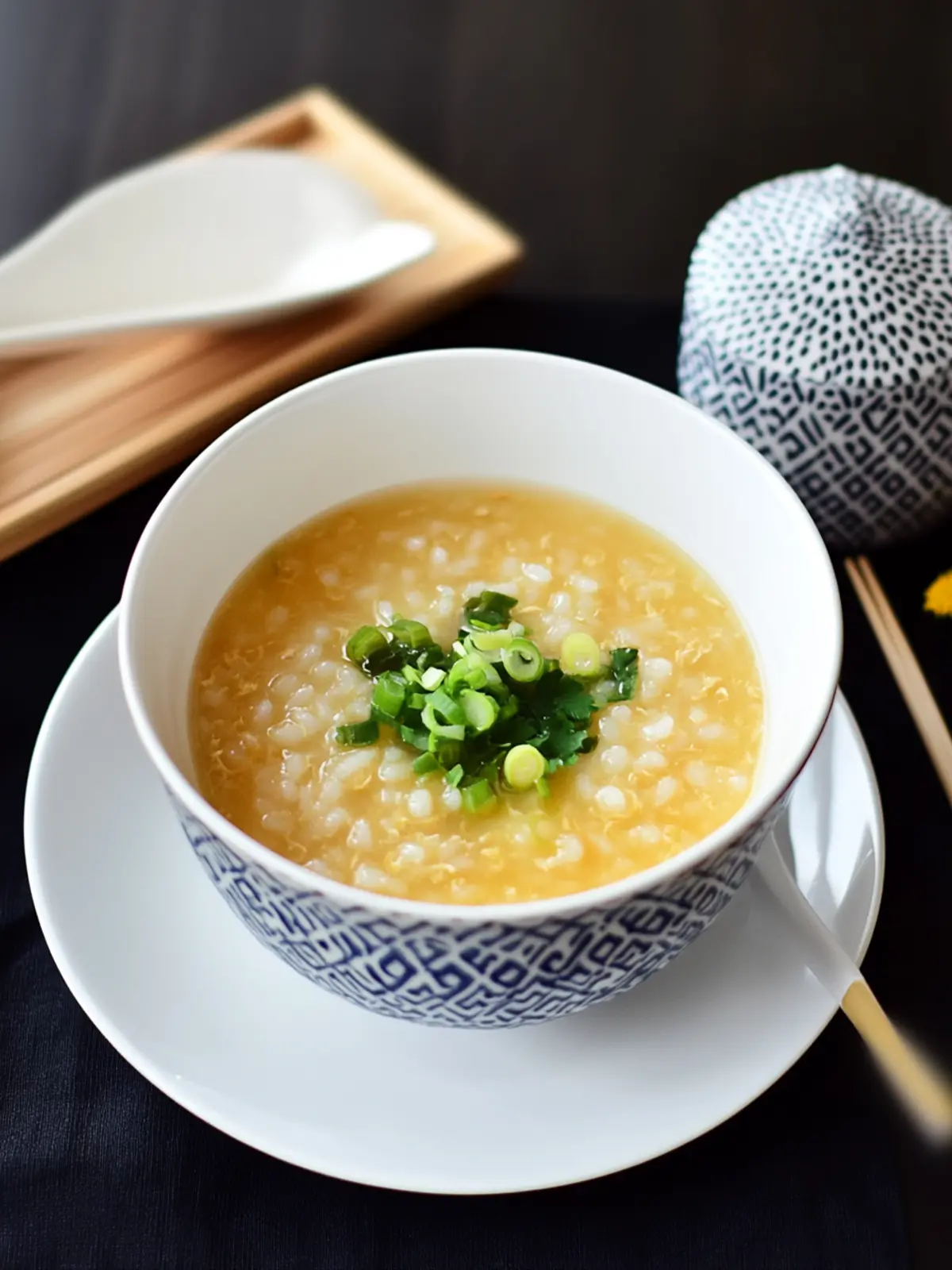
10 Minute Zosui – Quick Japanese Rice Soup Recipe FAQs
What type of dashi stock should I use?
Absolutely! I recommend using fresh dashi for the best flavor, as it creates a richer, more vibrant broth. If you’re in a hurry, instant dashi can work, but keep in mind that the taste won’t be quite as authentic. Look for packages that contain natural ingredients if you choose the instant route.
How long can I store leftover Japanese rice soup?
Leftover Japanese rice soup can be kept in an airtight container in the fridge for up to 3 days. Be sure to cool it to room temperature before storing, which helps prevent condensation from forming in the container. Reheat gently on the stove or in the microwave until steaming hot, stirring occasionally to distribute the heat evenly.
Can I freeze Japanese rice soup?
Yes! Japanese rice soup freezes well, allowing you to enjoy it later. To freeze, pour the cooled soup into an airtight container and store it for up to 1 month. When you’re ready to enjoy it, thaw the soup overnight in the fridge. Reheat it on the stove, adding a splash of water or extra dashi if needed to restore the broth’s consistency.
What if my rice is overcooked and mushy?
If your rice turns out mushy, don’t fret! It can still be delicious. A great way to salvage it is to add less dashi and turn the soup into a thick porridge-style dish. Simply simmer the soup longer to thicken it up while stirring gently. You can also introduce extra vegetables or proteins to create added texture for a hearty meal.
Are there any dietary considerations for this soup?
This recipe is generally friendly to most diets, but those with egg allergies should avoid the egg and can substitute it with silken tofu for a similar texture. For a vegetarian option, ensure the dashi is made with vegetables or use a plant-based stock. Keep in mind any specific dietary restrictions when selecting optional ingredients like mushrooms or soy sauce.
What’s the best way to enhance the presentation?
Presentation makes a world of difference! To elevate your Japanese rice soup, simply garnish with a sprinkle of white sesame seeds or chop some fresh herbs like cilantro or parsley. You can also serve it in a visually appealing bowl that contrasts nicely with the soup’s colors, making it more inviting and appetizing.
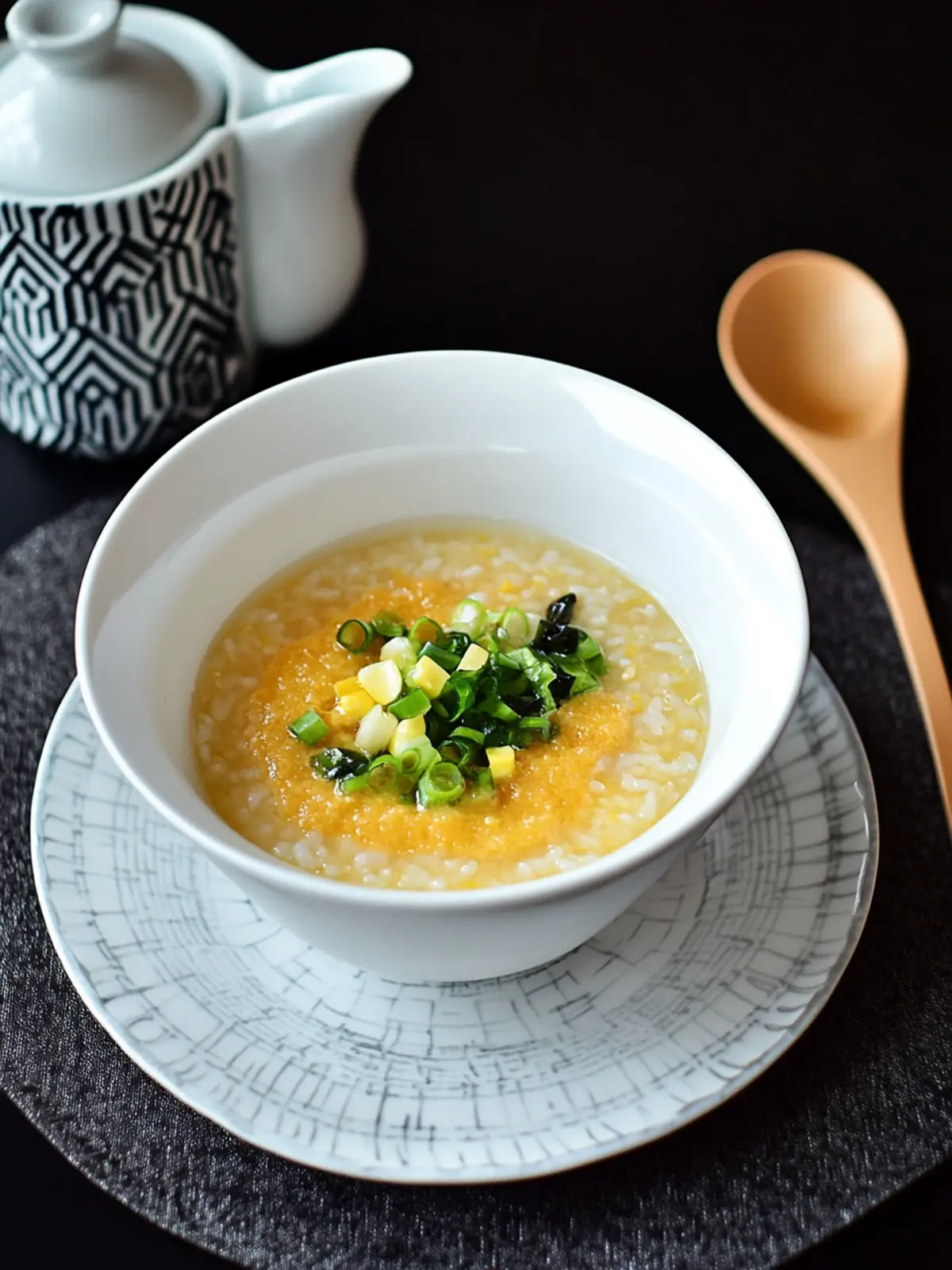
Hearty Japanese Rice Soup Ready in Just 10 Minutes!
Ingredients
Equipment
Method
- Boil the Dashi: Pour dashi stock into a donabe pot or medium saucepan and bring it to a boil over high heat for 3-5 minutes.
- If you’re adding vegetables or protein, this is the perfect time—continue boiling for another 5 minutes for maximum flavor.
- Stir in Rice & Soy Sauce: Add the cooked sushi rice and soy sauce to the boiling dashi.
- Stir well, then reduce the heat to a simmer. Cover and cook for 3 minutes until heated through.
- Incorporate the Egg: Pour in the lightly whisked egg and gently stir to mix it into the rice.
- Sprinkle the chopped spring onion on top, cover the pot, and turn off the heat. Let it sit for 2 minutes or until the egg is cooked to your liking.
- Serve Your Soup: Ladle the comforting Japanese rice soup into bowls and enjoy! Garnish with white sesame seeds if desired.