
The first time I bit into a perfectly crisp, golden Kimchi Tofu Mandu, it was a revelation. The way the savory filling bursts with flavor—thanks to the spicy kick of kimchi and the creamy texture of tofu—pulled me away from fast food for good. I’d always admired dumplings from afar, thinking they required a master chef’s skill or a small miracle, but as it turns out, they’re surprisingly easy to make at home!
With just a bit of preparation, you can create these delightful little pockets of joy. They’re versatile, too: serve them as a satisfying appetizer at your next gathering, or enjoy them as a simple weeknight dinner. As I’ve learned through countless attempts in the kitchen, the joy of making your own mandu is not just in the delicious result, but also in the process of folding and sealing them, almost like wrapping up little gifts of flavor. So let’s dive into this recipe and brighten your mealtime with homemade goodness!

Why is Kimchi Tofu Mandu a Must-Try?
Bursting with flavor, each bite of Kimchi Tofu Mandu brings a delightful mix of tangy kimchi and smooth tofu that is simply irresistible. Easy to make, even novice home chefs can tackle this recipe with ease. Versatile for any occasion, they shine as appetizers, snacks, or main dishes. Healthier than takeout, these dumplings are a great alternative to fast food, packed with nutritious ingredients. Plus, they’re a fun and interactive cooking experience that brings friends and family together! For a complete meal, consider pairing them with a refreshing salad or some steamed veggies.
Kimchi Tofu Mandu Ingredients
For the Dumplings
• Dumpling wrappers – 20 small-sized wrappers (3.5 inches in diameter) for that perfect bite.
• Firm tofu – 6 ounces, drained and minced for a creamy texture that balances the spicy filling.
• Kimchi – 4 ounces, finely chopped; the star ingredient that gives these dumplings their distinct kick.
• Large egg – 1 for binding (omit for a vegan recipe).
• Scallions – 4 finely chopped, adding fresh flavor and a pop of color.
• Garlic cloves – 2 minced for an aromatic boost in the filling.
For Cooking
• Vegetable or grapeseed oil – 1 tablespoon to achieve that golden-brown crispiness on the outside.
• Water – 3-4 tablespoons for steaming the dumplings to perfection.
• Toasted sesame oil – 1 tablespoon to enhance the overall flavor with its nutty richness.
• Gochugaru – 1/2 teaspoon to add just the right amount of heat.
• Salt and pepper – To taste, ensuring that every bite of your Kimchi Tofu Mandu is seasoned just right.
How to Make Kimchi Tofu Mandu
-
Mix the Filling
Combine the minced tofu, chopped kimchi, egg (if using), scallions, garlic, sesame oil, gochugaru, salt, and pepper in a bowl. Stir until everything is evenly incorporated, and set aside. -
Cook the Filling
Transfer the mixture to a skillet and heat over medium for 5-7 minutes. Cook it until the liquid evaporates and the filling looks slightly dry. Return it to the bowl and let it cool. -
Prepare the Wrappers
Place a wonton wrapper on a clean work surface. This is where you’ll create your delicious dumpling, so make sure the surface is dry. -
Fill and Seal
Take one wrapper in your palm and scoop about 1 heaping tablespoon of filling into the center. Wet the edges with water, then pinch them together to seal tightly, ensuring no filling escapes while cooking. -
Arrange the Mandu
Place the filled mandu on a plate. Repeat until all the wrappers are filled, and don’t worry if they aren’t perfect—they’ll still taste incredible! -
Fry the Mandu
In a large skillet, heat the vegetable oil over medium-high heat. Arrange the mandu in the skillet in a single layer, making sure not to overcrowd the pan. -
Steam to Perfection
Pour 3 tablespoons of water into the skillet and quickly cover with a lid. Cook for 5-6 minutes until the bottoms are golden brown and crispy. -
Flip and Finish
Carefully flip the mandu over and cook for another 3-4 minutes until the second side is beautifully golden. -
Serve
Turn off the heat and transfer the mandu to a serving plate. Enjoy them warm with a side of Korean dipping sauce for a flavorful experience. -
Steaming Option
For a lighter version, line a bamboo steamer with parchment paper or cabbage leaves. Arrange the mandu inside and steam for 7-8 minutes. Serve alongside the dipping sauce!
Optional: Garnish with sesame seeds or chopped cilantro for extra flavor and presentation.
Exact quantities are listed in the recipe card below.
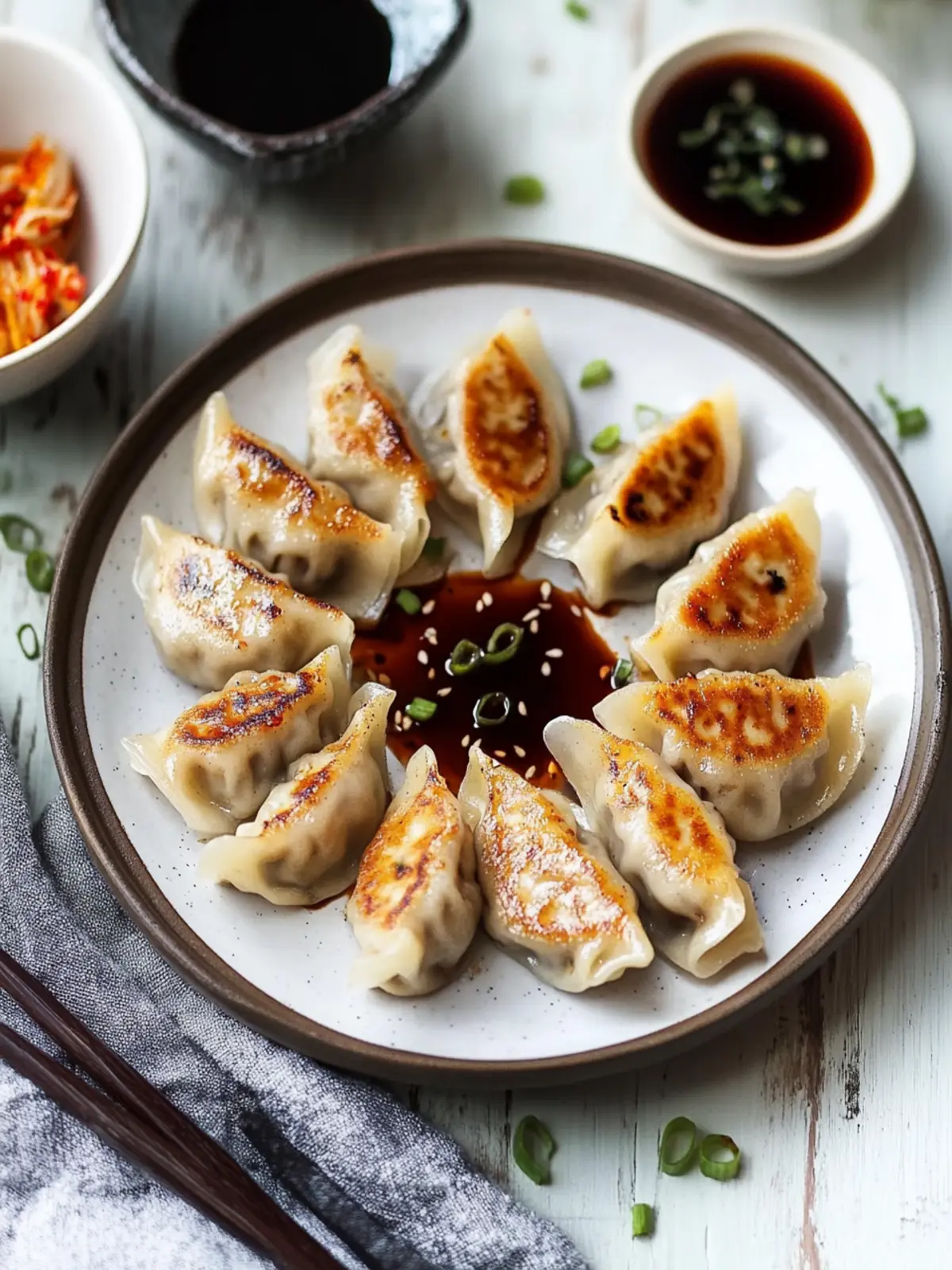
How to Store and Freeze Kimchi Tofu Mandu
Fridge: Keep leftover kimchi tofu mandu in an airtight container in the fridge for up to 3 days. Reheat in a skillet for a quick meal.
Freezer: For longer storage, freeze uncooked dumplings on a tray until firm, then transfer them to a freezer bag. They can last up to 3 months!
Reheating: To reheat from frozen, cook directly in a skillet over medium heat, adding water to steam for 7-8 minutes, or steam for 10 minutes until heated through.
Room Temperature: Serve fresh mandu right after cooking; they are best enjoyed warm and crispy.
Make Ahead Options
These Kimchi Tofu Mandu are perfect for busy meal prep enthusiasts! You can prepare the filling up to 3 days in advance by mixing the tofu, kimchi, and other ingredients, and storing it in an airtight container in the refrigerator. The dumplings can be assembled and placed in a single layer on a parchment-lined tray, then covered tightly and refrigerated for up to 24 hours before cooking. To maintain their quality, ensure they’re sealed well to prevent drying out. When you’re ready to enjoy your delicious mandu, simply follow the frying or steaming instructions directly from the fridge—ensuring a quick and flavorful meal, just as delightful as when they were freshly made!
Tips for the Best Kimchi Tofu Mandu
-
Proper Sealing: Ensure the edges of the wrappers are wet before sealing. This prevents the filling from escaping during cooking and keeps your mandu intact.
-
Don’t Overfill: Use only a heaping tablespoon of filling per wrapper. Overfilling can lead to bursting mandu while cooking, making a mess.
-
Even Cooking: Avoid overcrowding the skillet when frying. Space them out for even cooking and to achieve that perfect golden-brown crust.
-
Cooling the Filling: Allow the filling to cool before wrapping. This step helps the wrappers stay firm and prevents them from becoming soggy.
-
Experiment with Fillings: Feel free to mix up the filling! You can add vegetables or swap the tofu for meat alternatives to customize your Kimchi Tofu Mandu to your taste.
Kimchi Tofu Mandu Variations
Feel free to get creative and make this recipe your own with these delightful twists!
-
Vegan Option: Omit the egg for a completely plant-based version. The mandu will still be flavorful and satisfying without it.
-
Spicy Kick: Increase the gochugaru to 1 teaspoon for added heat, or incorporate chopped fresh chili peppers into the filling for an extra punch.
-
Umami Boost: Include finely chopped mushrooms in the filling to add a rich, earthy flavor that complements the kimchi beautifully.
-
Herb Infusion: Add a handful of chopped cilantro or parsley to the filling for a fresh burst of flavor and color. This brings a unique twist that brightens every bite.
-
Texture Twist: Swap half of the tofu with finely shredded carrots for a bit of sweetness and crunch. It adds a lovely contrast to the creamy filling.
-
Cheesy Delight: Mix in some shredded mozzarella or vegan cheese into the filling for melty goodness. Cheese lovers will find this variation truly irresistible!
-
Savory Sweet: Toss some finely diced sweet potato into the filling mixture for a hint of natural sweetness and a hearty texture.
-
Gluten-Free: Use gluten-free dumpling wrappers or thin rice paper instead for a safe option that keeps everyone at the table happy.
What to Serve with Kimchi Tofu Mandu?
Elevate your meal by pairing these flavorful dumplings with delightful sides and beverages that will tantalize your taste buds.
- Spicy Gochujang Sauce: A zesty dipping sauce that enhances the flavors with its sweet-heat balance, making each bite even more delightful.
- Sesame Spinach Salad: This fresh, cool salad adds a crunchy, refreshing contrast, perfectly counterbalancing the warm, savory mandu.
- Steamed Edamame: Lightly salted and perfectly cooked, these provide a nutritious yet simple side that pairs beautifully with the rich flavors of the dumplings.
- Pickled Radish Slices: The tanginess of pickled radish cuts through the richness of the mandu, offering a deliciously balanced bite.
- Korean Rice Cakes: Chewy and subtly sweet, they complement the dumplings with a unique texture that offers an intriguing twist to your meal.
- Chilled Soba Noodles: Serve them with a light soy dressing; their subtle flavor and smooth texture create a satisfying, wholesome pairing.
- Hot Green Tea: This warm beverage not only soothes the palate but also enhances the dumpling experience, providing a touch of serenity to the meal.
- Mango Sorbet: For dessert, this fruity finish refreshes the taste buds, leaving you feeling light and satisfied after the savory mandu.
Each pairing creates a symphony of textures and flavors, transforming your Kimchi Tofu Mandu into a truly memorable feast!
Kimchi Tofu Mandu Recipe FAQs
How do I select the right kimchi for making mandu?
Absolutely! When choosing kimchi, look for one that’s well-fermented with a good balance of spice and tang. Fresh, crunchy kimchi will lend a vibrant texture to your filling. If it has dark spots or smells overly sour, it may not be the best option for your mandu.
Can I freeze uncooked kimchi tofu mandu?
Yes, you can! To freeze, lay uncooked mandu in a single layer on a baking sheet and freeze them until solid. Once frozen, transfer them to a freezer bag, squeezing out excess air. They can last up to 3 months. This way, you’ll have a stash of homemade goodness ready to go!
What is the best way to store leftover cooked mandu?
Store any leftover cooked mandu in an airtight container in the fridge for up to 3 days. To reheat, I recommend using a skillet over medium heat. Add a splash of water, cover, and steam for about 3–5 minutes to restore their crispiness.
My mandu keeps bursting while cooking. What can I do?
Very! If your mandu is bursting, it might be due to overfilling. Always use just a heaping tablespoon of filling and ensure the edges of the wrappers are well-sealed with water. Also, avoid overcrowding the skillet to allow for even cooking.
Can my pet eat mandu?
While it’s best to keep your delicious kimchi tofu mandu for yourself, a little taste of the filling—like plain tofu or soft-cooked carrots—could be an occasional treat for your pet. However, avoid seasoning and spicy ingredients, as they can upset their stomach. Always check with your vet before introducing new foods.
How do I know when the filling is cooked properly?
Great question! Cook the filling in the skillet over medium heat for about 5-7 minutes. You want to see that the moisture has evaporated and the mixture looks slightly dry. Stir occasionally to ensure even cooking. Once done, it should be firm but still have a tender texture.
Savory Kimchi Tofu Mandu: Your New Favorite Dumpling Delight
Ingredients
Equipment
Method
- Combine the minced tofu, chopped kimchi, egg (if using), scallions, garlic, sesame oil, gochugaru, salt, and pepper in a bowl. Stir until everything is evenly incorporated, and set aside.
- Transfer the mixture to a skillet and heat over medium for 5-7 minutes. Cook it until the liquid evaporates and the filling looks slightly dry. Return it to the bowl and let it cool.
- Place a wonton wrapper on a clean work surface. This is where you'll create your delicious dumpling, so ensure the surface is dry.
- Take one wrapper in your palm and scoop about 1 heaping tablespoon of filling into the center. Wet the edges with water, then pinch them together to seal tightly, ensuring no filling escapes while cooking.
- Place the filled mandu on a plate. Repeat until all the wrappers are filled, and don’t worry if they aren’t perfect—they’ll still taste incredible!
- In a large skillet, heat the vegetable oil over medium-high heat. Arrange the mandu in the skillet in a single layer, making sure not to overcrowd the pan.
- Pour 3 tablespoons of water into the skillet and quickly cover with a lid. Cook for 5-6 minutes until the bottoms are golden brown and crispy.
- Carefully flip the mandu over and cook for another 3-4 minutes until the second side is beautifully golden.
- Turn off the heat and transfer the mandu to a serving plate. Enjoy them warm with a side of Korean dipping sauce.
- For a lighter version, line a bamboo steamer with parchment paper or cabbage leaves. Arrange the mandu inside and steam for 7-8 minutes. Serve alongside the dipping sauce!