
This bibimbap sauce is the fast, bold condiment that turns plain rice, vegetables, eggs, tofu, or beef into a Korean-inspired bowl full of sweet heat and savory depth. It takes about 5 minutes, uses simple pantry ingredients, and stores well, so you can keep a jar ready for quick lunches, weeknight dinners, and meal prep bowls.
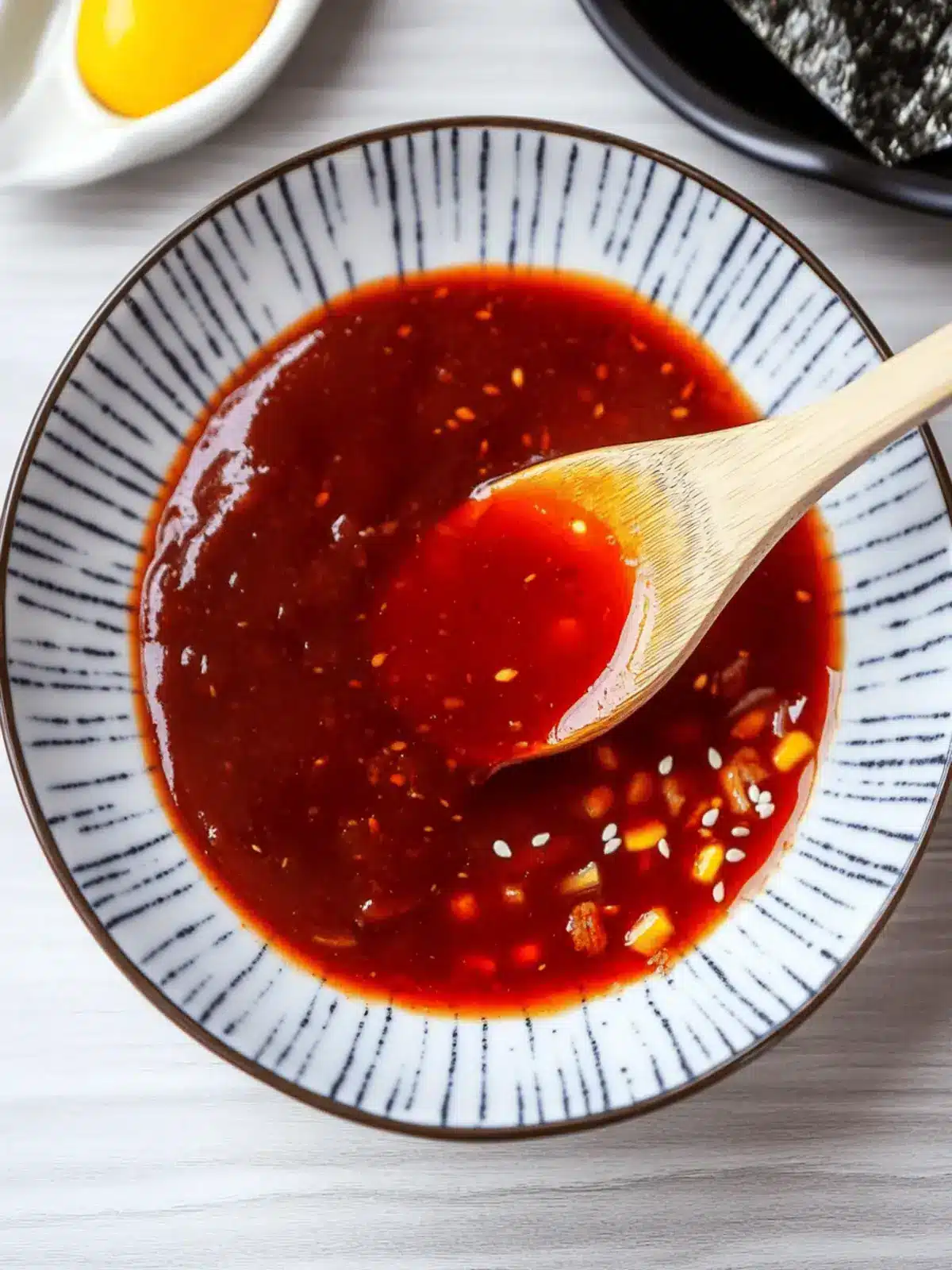
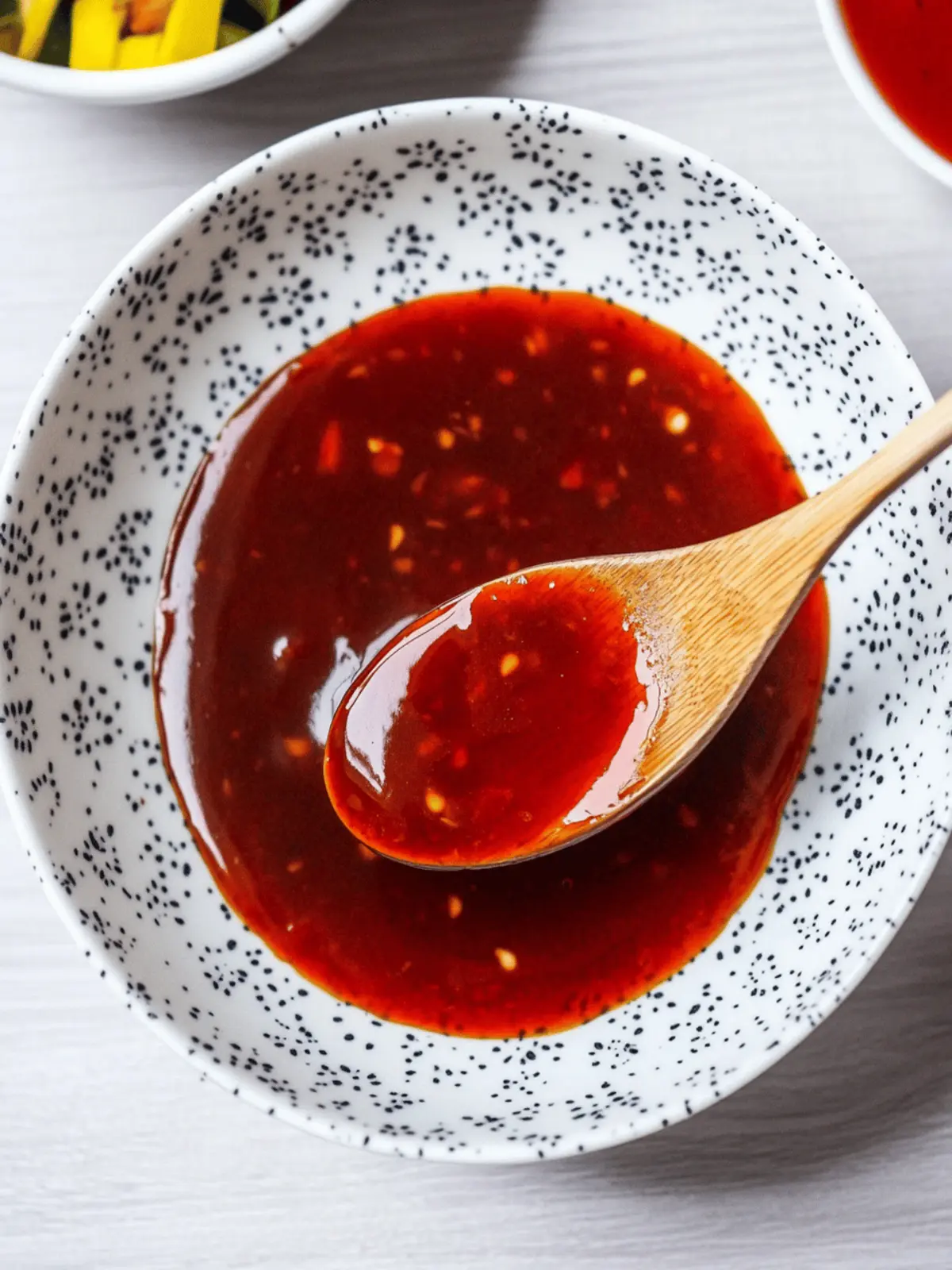
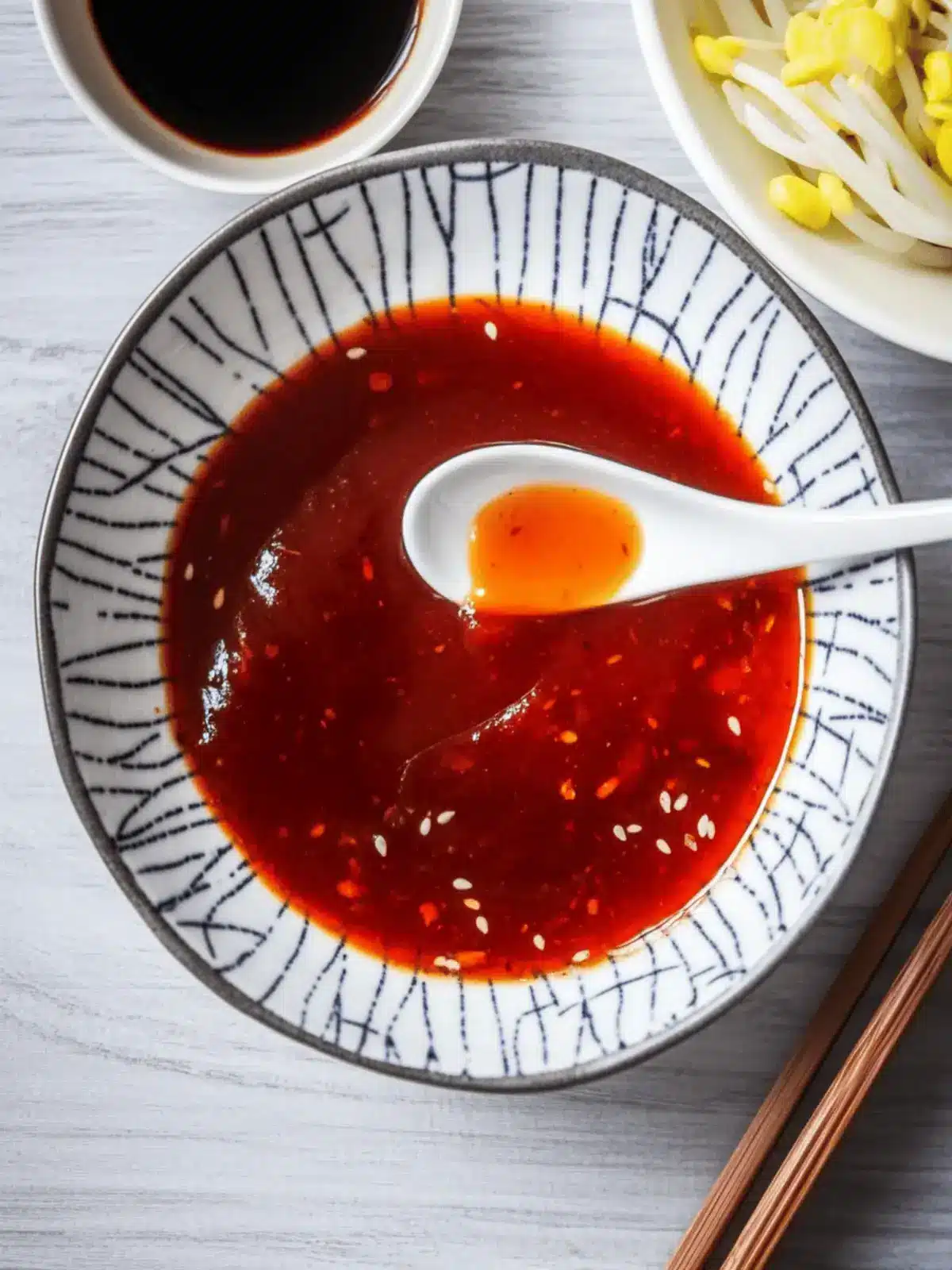
The flavor starts with gochujang, Korea’s famous fermented red chili paste. From there, fresh garlic adds punch, toasted sesame oil brings nutty richness, honey and sugar balance the spice, and rice vinegar adds a bright finish. The result is a smooth, glossy sauce that tastes spicy, slightly sweet, tangy, and deeply savory all at once.
This homemade bibimbap sauce is easy to adjust, too. Use more gochujang for a hotter sauce, add extra honey for a sweeter finish, or thin it with a splash of warm water if you want a pourable drizzle. Once you make it, you will find yourself spooning it over more than bibimbap.
What Makes This Recipe a Keeper
Ready in 5 minutes: No cooking, blending, or special equipment required.
Big flavor from simple ingredients: A few Korean pantry staples create a sauce that tastes layered and restaurant-worthy.
Easy to customize: Make it spicier, sweeter, tangier, thinner, or thicker depending on your bowl.
Great for meal prep: A small jar can upgrade rice bowls, noodles, roasted vegetables, wraps, tofu, eggs, and grilled meats all week.
Authentic flavor base: Gochujang and toasted sesame oil give this bibimbap sauce its signature Korean-style taste.
What Is Bibimbap Sauce?
Bibimbap sauce is the spicy-sweet condiment served with bibimbap, a Korean mixed rice bowl usually made with rice, seasoned vegetables, protein, and a fried or soft-cooked egg. The sauce ties everything together. When mixed into the hot rice and toppings, it coats every bite with chili warmth, sesame aroma, gentle sweetness, and a touch of acidity.
Traditional versions often include gochujang, sesame oil, sugar or syrup, garlic, and vinegar. This recipe keeps that classic balance while staying quick enough for everyday cooking.
Ingredients
3 tablespoons gochujang: The foundation of the sauce. It is spicy, savory, slightly sweet, and fermented, which gives the condiment depth. Adjust the amount to control the heat.
2 cloves garlic, freshly minced: Fresh garlic gives the sauce a sharper, more aromatic flavor than jarred garlic.
2 tablespoons toasted sesame oil: This adds a rich, nutty aroma. Use toasted sesame oil, not regular neutral oil, for the best flavor.
1 tablespoon honey: Honey balances the chili paste and gives the sauce a glossy texture. Use agave nectar or maple syrup for a vegan version.
1 tablespoon sugar: Sugar rounds out the heat. You can reduce or omit it if you prefer a less sweet sauce.
1 tablespoon rice vinegar: Rice vinegar adds tang and keeps the sauce from tasting too heavy.
Optional salt: Add only if needed, since gochujang already contains salt.
How to Make Bibimbap Sauce
Add the ingredients to a bowl. Place the gochujang, minced garlic, toasted sesame oil, honey, sugar, rice vinegar, and optional salt in a small mixing bowl.
Stir until smooth. Use a spoon or small whisk to mix until the sauce looks glossy and even. Make sure the honey and sugar are fully blended into the gochujang.
Taste and adjust. For more heat, add a little more gochujang. For more sweetness, add a small drizzle of honey. For more tang, add a few extra drops of rice vinegar.
Serve or store. Spoon the sauce over bibimbap, rice bowls, noodles, vegetables, tofu, eggs, or grilled protein. For later, transfer it to an airtight glass jar and refrigerate.
Recipe Tips for the Best Flavor
Use good gochujang. Since gochujang is the main ingredient, the quality matters. A flavorful paste will make the entire sauce taste richer.
Do not skip toasted sesame oil. Toasted sesame oil gives bibimbap sauce its signature nutty aroma. A neutral oil will not create the same flavor.
Mince the garlic finely. Small garlic pieces blend better into the sauce and give a smoother bite.
Adjust slowly. Gochujang brands vary in heat and sweetness, so taste before adding extra sugar, vinegar, or salt.
Use a glass jar for storage. Gochujang can stain plastic containers, so glass is the cleaner option.
Variations
Vegan version: Replace honey with agave nectar or maple syrup.
Less sweet version: Omit the sugar and use only honey, or reduce the honey slightly.
Extra spicy version: Add more gochujang, a pinch of gochugaru, or a few drops of chili oil.
Tangier version: Increase the rice vinegar by 1 to 2 teaspoons.
Thinner drizzle: Add warm water 1 teaspoon at a time until the sauce reaches your preferred consistency.
Nutty finish: Sprinkle toasted sesame seeds over the sauce just before serving.
Best Ways to Use It
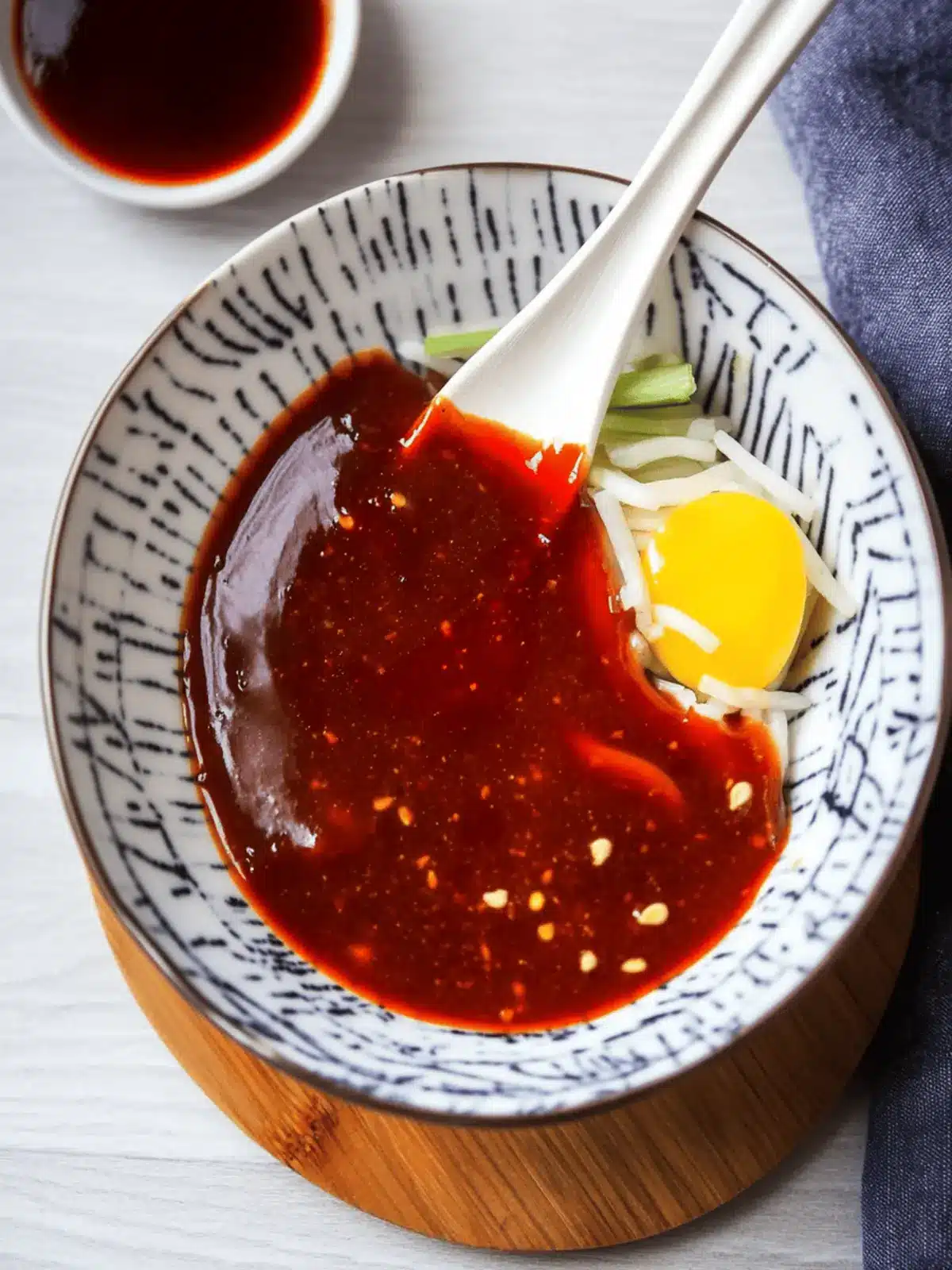
The most classic use is spooning bibimbap sauce over a bowl of warm rice, sautéed vegetables, protein, and egg, then mixing everything together before eating. It also works as a quick flavor booster for leftovers and simple meals.
Try it with steamed rice, grilled tofu, roasted sweet potatoes, cucumber salad, sautéed spinach, mushrooms, carrots, zucchini, crispy fried eggs, beef, chicken, shrimp, or noodles. It can also be used as a spread for wraps, a dipping sauce for dumplings, or a finishing sauce for grain bowls.
How to Store
Refrigerate leftover bibimbap sauce in an airtight glass container for up to 2 weeks. Stir before serving because the ingredients may settle as the sauce chills.
For longer storage, freeze it in an ice cube tray. Once frozen, move the cubes to a freezer bag or container and freeze for up to 3 months. Thaw a cube in the refrigerator overnight or microwave briefly, then stir until smooth.
Frequently Asked Questions
What sauce is traditionally used when making bibimbap?
A gochujang-based sauce is traditionally used when making bibimbap. It usually combines Korean red chili paste with sesame oil, sweetener, garlic, and vinegar or another acidic ingredient. This recipe follows that classic flavor profile in a quick, home-friendly way.
Is bibimbap sauce very spicy?
It can be spicy, but you control the heat. Start with the listed amount of gochujang, then add more only after tasting. For a mild version, use less gochujang and add a little more honey or sesame oil.
Can I make this without honey?
Yes. Use agave nectar or maple syrup instead. Both keep the sauce sweet and smooth while making it vegan-friendly.
Can I make it ahead?
Yes. This is an excellent make-ahead condiment. Mix it once, store it in the refrigerator, and use it throughout the week for fast bowls and quick dinners.
Why is my sauce too thick?
Gochujang is naturally thick. Add warm water 1 teaspoon at a time until the sauce is easy to drizzle. Do not add too much at once, or the flavor may become diluted.
Can I use this sauce for more than bibimbap?
Absolutely. Use bibimbap sauce on rice bowls, noodles, roasted vegetables, tofu, eggs, dumplings, lettuce wraps, and grilled meats. It is a versatile Korean-style condiment that adds instant flavor.
Final Thoughts
This 5-minute bibimbap sauce is spicy, sweet, tangy, nutty, and savory in all the right ways. It uses just a handful of ingredients, requires no cooking, and instantly upgrades simple meals. Keep a jar in the fridge, and you will always have a quick flavor booster ready for your next bowl.
Amazing Bibimbap Sauce Recipe: Quick 5-Minute Korean Flavor Booster
Ingredients
- 3 tablespoons Gochujang Adjust for preferred spice level
- 2 cloves Garlic (minced) Freshly minced for best flavor
- 2 tablespoons Toasted Sesame Oil Do not substitute with regular oil
- 1 tablespoon Honey Use agave nectar for vegan option
- 1 tablespoon Sugar Can be omitted for less sweetness
- 1 tablespoon Rice Vinegar Adds tangy complexity
Method
- In a mixing bowl, add gochujang, minced garlic, toasted sesame oil, honey, sugar, rice vinegar, and optional salt.
- Gently stir the mixture until all components are fully integrated and smooth.
- Taste the sauce and adjust the heat or sweetness as needed.
- Serve immediately over bibimbap or store in a glass jar.