
The first time I took a bite of Chinese Tea Eggs, I was transported to a bustling street market, surrounded by the tantalizing aroma of spices and warm, rich broth. Perfectly marbled, these eggs are not just a delightful snack; they are a culinary adventure that embodies the essence of comfort in every bite.
As I scoured my kitchen for something out of the ordinary, the thought of fast food felt increasingly uninspiring. I wanted to create something unique, flavorful, and decidedly homemade. That’s when these beautifully infused eggs caught my eye—a perfect blend of black tea and aromatic spices that fills your kitchen with warmth as they simmer.
What I love most about this recipe is its simplicity. In just under an hour, you can transform ordinary eggs into a showstopper. Whether you’re entertaining guests or simply looking to spice up your weeknight dinner, these Chinese Tea Eggs are sure to impress while being incredibly easy to whip up. So, grab your ingredients and let’s dive into this delightful journey together!
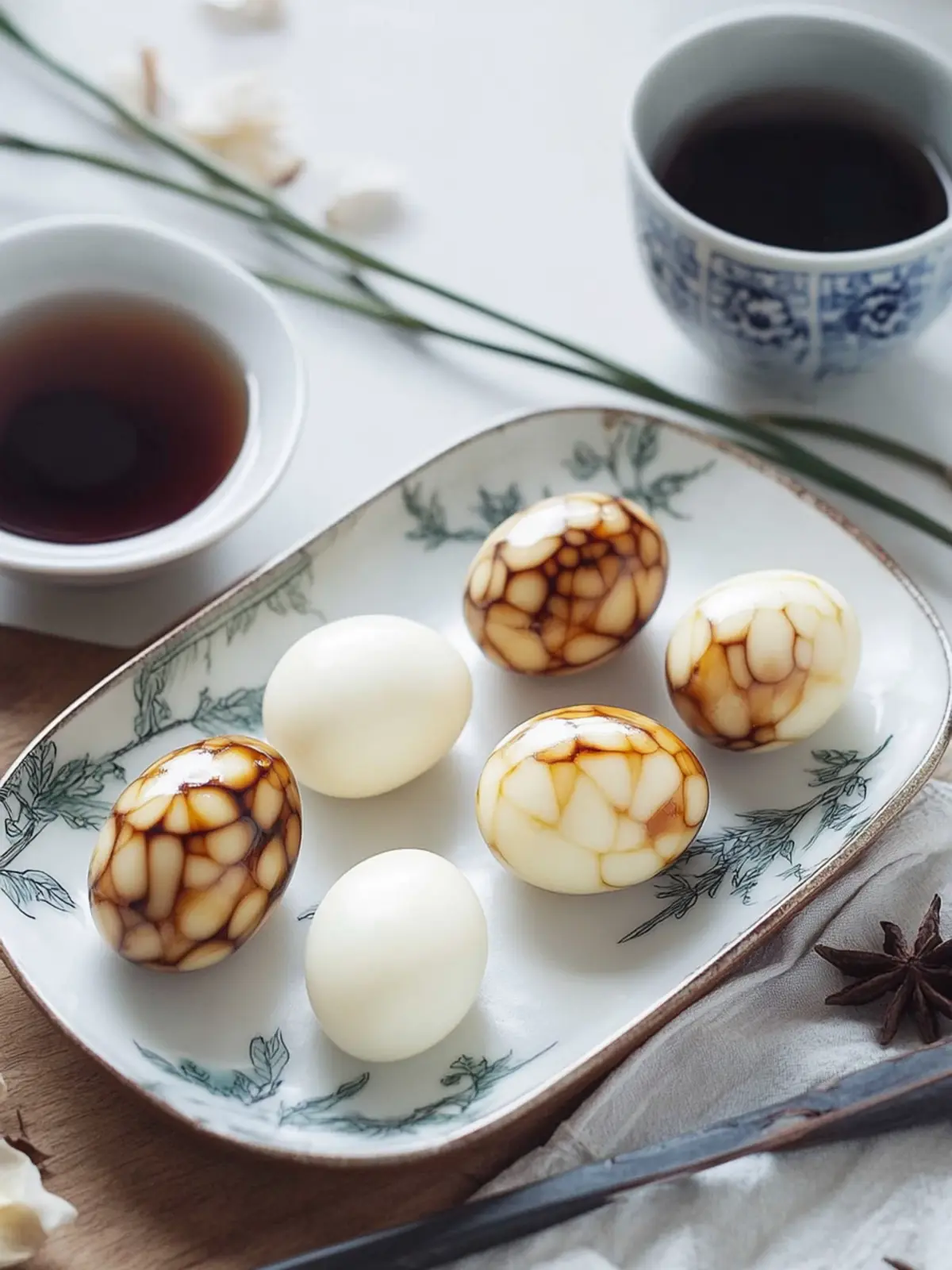
Why are Chinese Tea Eggs so irresistible?
Unique Flavor Experience: The infusion of tea and spices creates a truly delicious taste unlike any typical snack.
Visual Appeal: The marbled patterns are not just pretty; they make a stunning presentation for any gathering.
Easy Prep: In just 50 minutes, you’ll have a gourmet dish ready to share—or savor solo!
Versatile Snack: Perfect for breakfast, as a side dish, or enjoyed as a savory snack any time of day.
Crowd-Pleasing: Whether you’re hosting friends or family, these eggs are a conversation starter that everyone will enjoy.
For more tantalizing ideas, check out my guide on quick Asian snacks that will elevate your culinary repertoire!
Chinese Tea Eggs Ingredients
For the Eggs
• 4 large eggs – Use fresh eggs for the best flavor and easier peeling.
For the Tea Mixture
• 2 black tea bags – Any strong black tea will infuse rich flavor into the eggs.
• 6 tablespoons regular soy sauce – Adds depth and umami, a key component of Chinese Tea Eggs.
• 2 cups water – Essential for boiling and rehydrating the flavors in the tea mixture.
For the Spices
• 2 star anise – Gives a hint of sweet warmth and aromatic complexity.
• 1 cinnamon stick – Adds a comforting spice that perfectly complements the tea.
• ½ teaspoon Chinese Five Spice – A must-have for an authentic Asian flavor profile.
• ½ teaspoon salt – Enhances all the flavors in the egg and tea mixture.
• 1 teaspoon white granulated sugar – Balances the saltiness and adds a subtle sweetness.
How to Make Chinese Tea Eggs
-
Soak the eggs in a small pot of warm water for about 5 minutes. This helps to prepare the eggs for boiling and ensures even cooking.
-
Boil the pot of water with the eggs on the stove over medium-high heat for 5 minutes, covering the pot to maintain the heat. You’ll see them begin to cook nicely!
-
Prepare an ice bath in a bowl filled with cold water and ice. Once the boiling time is up, transfer the eggs into the ice bath to halt cooking and cool them down quickly.
-
Crack the shells gently using the back of a spoon. This creates a beautiful “web” pattern on the eggs; be careful not to remove the shells completely yet!
-
Combine the cracked eggs back into the pot, adding the soy sauce mixture ingredients. Stir gently to ensure the flavors coat the eggs evenly.
-
Simmer the pot over medium heat for 40 minutes, covered. The aroma will fill your kitchen with deliciousness!
-
Cool the eggs again before peeling. A quick rinse under cold water makes peeling easier, allowing you to showcase those stunning marbled patterns.
Optional: Garnish with fresh herbs or serve with hot rice for a delightful meal.
Exact quantities are listed in the recipe card below.
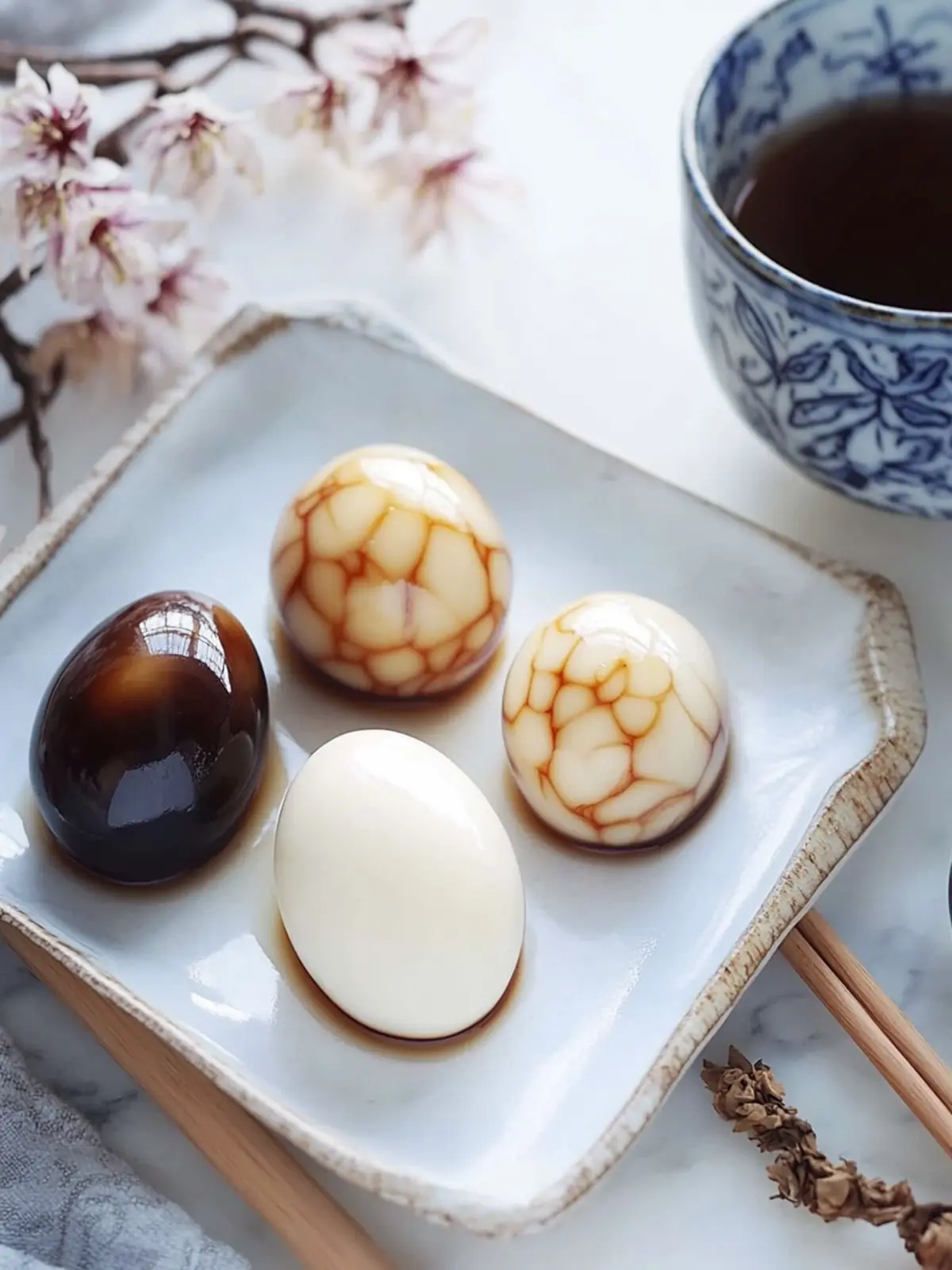
What to Serve with Chinese Tea Eggs?
Transform your Chinese Tea Eggs into a delightful meal by pairing them with some delicious sides that complement their unique flavor.
-
Steamed Jasmine Rice: The subtle fragrance of jasmine rice provides a perfect backdrop for the bold tea and spice flavors of the eggs.
-
Stir-Fried Bok Choy: Crisp and vibrant, bok choy adds a refreshing crunch that balances the richness of the tea-infused eggs, making for a wholesome plate.
-
Spicy Szechuan Noodles: The heat from these noodles contrasts beautifully with the savory taste of the eggs, creating an exciting and flavor-packed experience.
-
Pickled Vegetables: A bright, tangy selection of pickles offers a refreshing bite that cuts through the richness, enhancing every mouthful of egg.
-
Sesame Cucumber Salad: This cool and crunchy salad is a lovely contrast to the warm eggs, making your palate dance with joy.
-
Chrysanthemum Tea: A cup of this delicate, floral brew beautifully complements the spices in the eggs, making for a harmonious dining experience.
-
Mango Sticky Rice: For dessert, this sweet treat brings fragrant coconut and fruity notes that nicely offset the savory elements of the meal.
With these sumptuous accompaniments, you’ll create a memorable feast that showcases the deliciousness of Chinese Tea Eggs!
How to Store and Freeze Chinese Tea Eggs
Fridge: Store your Chinese Tea Eggs in an airtight container in the fridge for up to 5 days. The flavors will continue to deepen as they sit, making them even more delicious!
Freezer: If you want to keep them longer, you can freeze the Chinese Tea Eggs. Just wrap each egg tightly in plastic wrap and place them in a freezer-safe bag for up to 3 months.
Reheating: Thaw frozen eggs in the fridge overnight before reheating. To reheat, gently warm them in a pot of hot water or in the microwave for a few seconds until heated through. Enjoy!
Make Ahead Options
Chinese Tea Eggs are fantastic for meal prep, allowing you to enjoy their unique flavor without the last-minute rush! You can boil and crack the eggs up to 24 hours in advance, storing them in the refrigerator until you’re ready to infuse them with the soy sauce mixture. Simply combine the soy sauce, tea, and spices in your pot, add the cracked eggs, and let them simmer for 40 minutes when you’re ready to serve. This method not only saves you time but also enhances the flavor as the eggs soak overnight in their aromatic bath. After simmering, remember to cool and rinse the eggs before peeling for the perfect marbled effect!
Chinese Tea Eggs Variations
Feel free to explore these delightful twists and adaptations to make your Chinese Tea Eggs uniquely yours!
-
Spicy Kick: Add slices of fresh ginger or a pinch of red pepper flakes to the simmering mix for an extra punch of heat. If you love spice, this touch will elevate the flavor profile beautifully.
-
Herbal Infusion: Consider using green tea bags instead of black tea for a lighter taste, complemented by fresh herbs such as cilantro or scallions. This variation adds a refreshing twist that’s perfect for warmer weather.
-
Coconut Flavor: Swap out regular soy sauce for coconut aminos to create a gluten-free option with a hint of sweetness. It makes for a fantastic alternative that keeps the essence while catering to different diets.
-
Umami Boost: Add a splash of oyster sauce to the soy sauce mixture for a richer, deeper flavor. This twist will make your tea eggs almost irresistible and is bound to impress friends during gatherings.
-
Maple Sweetness: Replace the granulated sugar with a tablespoon of maple syrup for a unique sweet note. The combination of sweet maple with savory is a delightful surprise for your taste buds.
-
Savory Infusion: Toss in slices of shiitake mushrooms or diced shallots to the simmering pot to create an aromatic blend. These additions will enrich the flavors even more, providing a gourmet experience!
-
Tangy Twist: Incorporate a splash of rice vinegar into the soy sauce mixture for a subtle tang that balances the richness. This delightful acid will wake up the overall profile of flavors.
-
Vegan Alternative: Substitute eggs with silken tofu for a plant-based option. Prepare the tofu similarly for a stunning presentation that captures the essence of Chinese Tea Eggs with a different texture.
Expert Tips for Chinese Tea Eggs
-
Perfect Timing: Monitor the 5-minute boiling time carefully to prevent overcooking, which can result in a rubbery texture.
-
Ice Bath Essentials: Always transfer eggs to an ice bath immediately after boiling; this minimizes cooking time and helps create that desired marbled pattern.
-
Gentle Cracking: Use just the back of a spoon to crack the shells lightly. Cracking too hard will make peeling more difficult and can ruin the marbling.
-
Flavor Infusion: Let the eggs simmer in the soy sauce mixture for the full 40 minutes; this allows the rich flavors to permeate the eggs thoroughly. Avoid rushing this step!
-
Peeling Trick: Rinse the cooled eggs under cold water just before peeling; this can help separate the membrane from the egg, making the process smoother. Enjoy your Chinese Tea Eggs!
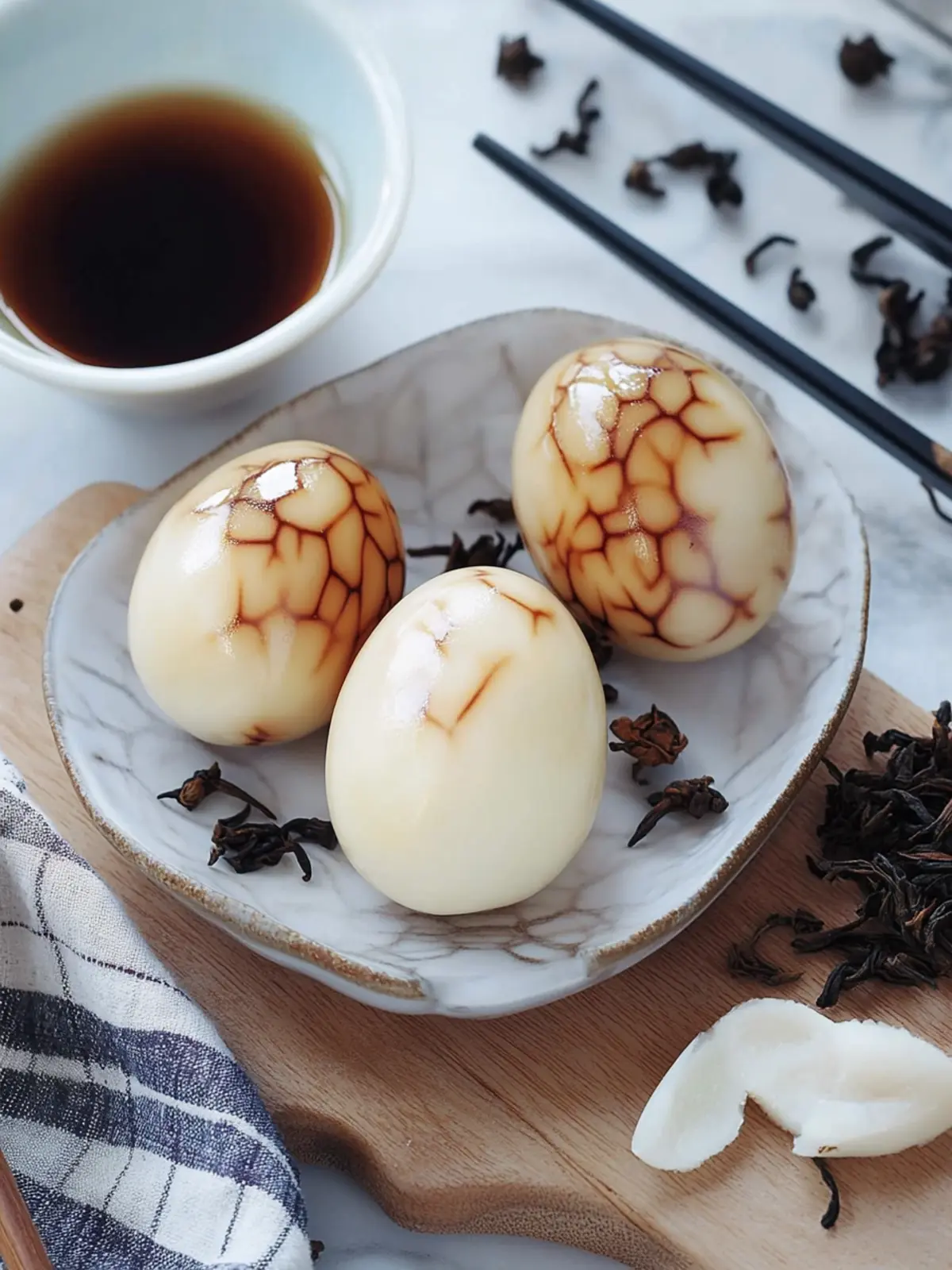
Chinese Tea Eggs Recipe FAQs
What type of eggs should I use for Chinese Tea Eggs?
Absolutely! For the best flavor and easier peeling, opt for fresh large eggs. Older eggs can be harder to peel due to the membrane’s increased adhesion, so stick with those lovely, fresh ones!
How long can I store Chinese Tea Eggs in the fridge?
You can store your Chinese Tea Eggs in an airtight container in the fridge for up to 5 days. The flavors will likely deepen as they sit, making each bite even more mouthwatering!
Can I freeze Chinese Tea Eggs?
Yes, you can certainly freeze them! Simply wrap each egg tightly in plastic wrap and place them in a freezer-safe bag. They will keep well for up to 3 months. When you’re ready to enjoy, thaw them in the fridge overnight.
Why are my Chinese Tea Eggs not marbling properly?
Very! If your eggs aren’t displaying those stunning marbled patterns, ensure you crack the shells gently but thoroughly with the back of a spoon. The key is to make light cracks, allowing the soy sauce mixture to seep in deeply during simmering. Also, ensure you’re simmering for the full 40 minutes, as rushing it can affect the marbling.
Are Chinese Tea Eggs safe for pets?
It’s important to be cautious! While eggs are generally safe for dogs, the spices and soy sauce might not be suitable. I recommend keeping these gourmet treats just for human enjoyment.
What if I don’t have star anise or five-spice?
No problem at all! You can substitute star anise with a pinch of nutmeg or allspice for a similar warmth. If you don’t have Chinese Five Spice, you can mix 1/4 teaspoon each of cinnamon, ginger, ground cloves, and black pepper as an alternative. The flavors may vary slightly, but it will still taste delicious!
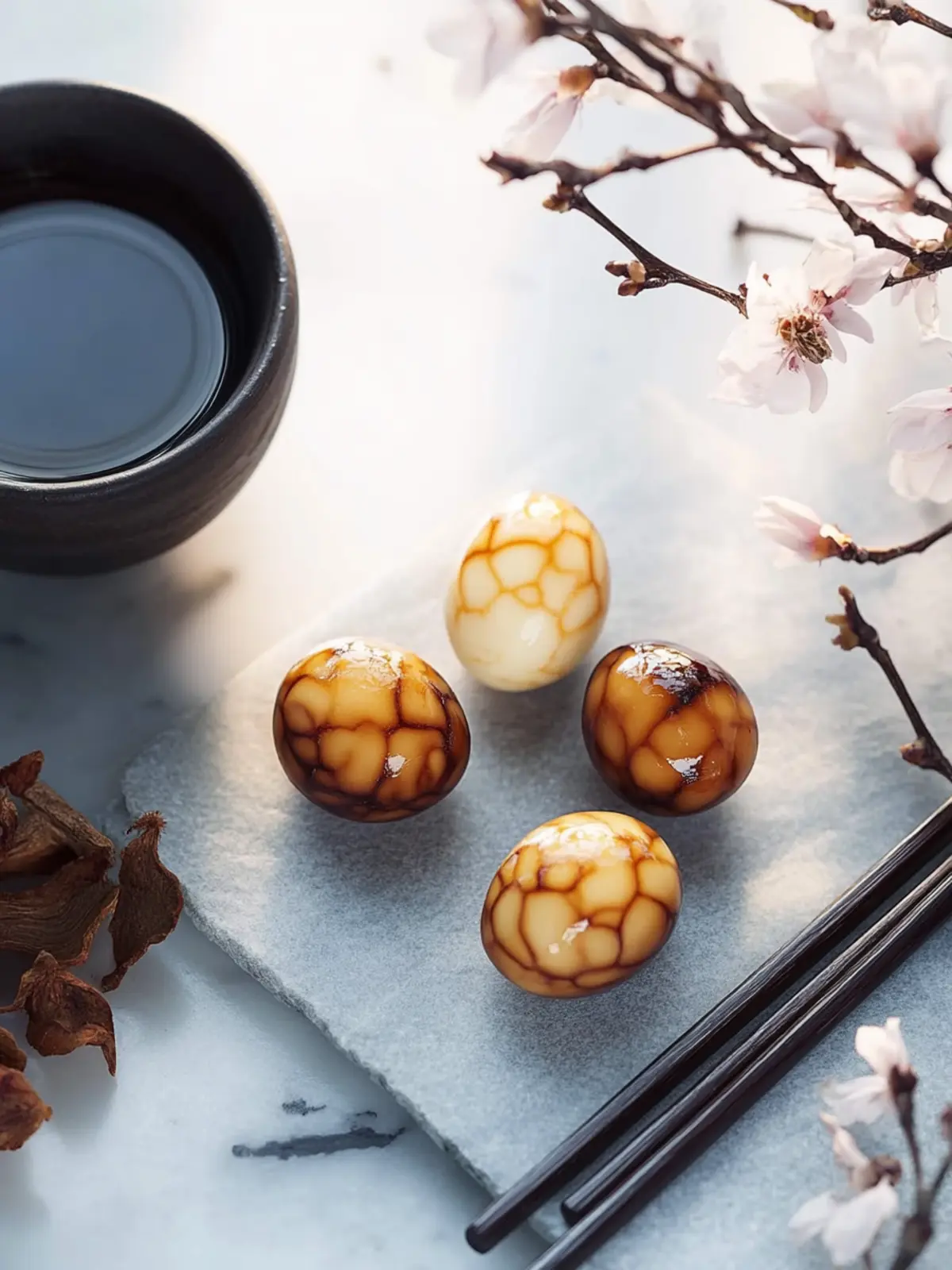
Discover Delicious Chinese Tea Eggs Easy Recipe You’ll Love
Ingredients
Equipment
Method
- Soak the eggs in a small pot of warm water for about 5 minutes.
- Boil the pot of water with the eggs on the stove over medium-high heat for 5 minutes, covering the pot to maintain the heat.
- Prepare an ice bath in a bowl filled with cold water and ice. Once the boiling time is up, transfer the eggs into the ice bath.
- Crack the shells gently using the back of a spoon to create a web pattern.
- Combine the cracked eggs back into the pot, adding the soy sauce mixture ingredients. Stir gently.
- Simmer the pot over medium heat for 40 minutes, covered.
- Cool the eggs again before peeling, rinsing under cold water to make peeling easier.