
The vibrant colors and unique textures of eggplants often inspire culinary creativity, and that’s exactly how I stumbled upon this delightful Eggplant Kabayaki recipe. One sunlit afternoon, while exploring my favorite market, I spotted plump eggplants just begging to be transformed into something extraordinary. Little did I know that this simple vegetable would become the star of a dish bursting with umami flavors and comfort.
In just 20 minutes, you can create a dish that elevates everyday ingredients into a gourmet experience. Picture tender, caramelized eggplant, perfectly glazed with a sweet and savory sauce, served atop warm Japanese short-grain rice. Whether you’re looking to impress guests or simply searching for a satisfying weeknight meal, this recipe is a game-changer. It’s packed with flavor, easy to whip up, and best of all, it’s a delightful break from fast food. Grab your apron and let’s dive into the flavors of Eggplant Kabayaki—you won’t be disappointed!

Why is Eggplant Kabayaki so special?
Simplicity at its best: With just 20 minutes of your time, you can create a stunning dish that will impress anyone at your table.
Umami-packed goodness: The combination of dark soy sauce, sake, and mirin creates a rich flavor that elevates the humble eggplant.
Versatile delight: Perfect on its own or as a side, this recipe pairs beautifully with various proteins or can be a star in any vegetarian spread.
Crowd-pleaser: Whether you’re hosting a dinner party or enjoying a weeknight meal, Eggplant Kabayaki is sure to receive rave reviews!
Looking for other exciting vegetable dishes? Don’t miss out on our collection of vegan delights!
Eggplant Kabayaki Ingredients
• To create your mouth-watering Eggplant Kabayaki, gather these essential ingredients!
For the Eggplants
• 3 eggplants – Choose firm, shiny ones for the best texture and flavor.
• 1 tbsp cooking oil – Opt for a high smoke point oil like vegetable or canola.
• ½ tbsp all-purpose flour – This helps to create a beautiful, crispy surface.
For the Sauce
• 1 tbsp dark brown sugar – Adds a delicious sweetness that balances the savory elements.
• 2 tbsp Japanese dark soy sauce – Provides a rich umami flavor integral to the kabayaki.
• 2 tbsp sake – This traditional Japanese rice wine adds depth to the sauce.
• 1 ½ tbsp mirin – Its sweetness complements the other ingredients perfectly.
For Serving
• 2 portions cooked Japanese short-grain rice – The ideal base to absorb the luscious flavors.
• kizami nori (shredded nori) – Adds a delightful crunch and oceanic touch.
• wasabi (optional) – For those who love a spicy kick alongside their kabayaki.
• finely chopped green onions – A fresh garnish that enhances the dish’s presentation.
• toasted white sesame seeds – Adds a lovely crunch and nutty flavor on top.
How to Make Eggplant Kabayaki
-
Prepare the Eggplants: Peel the eggplants and place them in a heatproof bowl. Cover with plastic wrap and microwave for 3 minutes at 600W to soften them for easy handling.
-
Mix the Sauce: While the eggplant cools, combine dark brown sugar, Japanese dark soy sauce, sake, and mirin in a small bowl. Set it by the stove, ready for delicious flavor infusion.
-
Cut and Incise: Once the eggplants have cooled enough to handle, cut them down the middle lengthwise, making sure not to cut all the way through. Open them like a book and make several incisions to help them cook evenly.
-
Flatten the Eggplants: Press the surface with your knife, gently flattening the eggplants further to enhance the caramelization during cooking.
-
Heat the Pan: Warm a pan over medium heat. While it heats up, sprinkle the cut side of the eggplants with all-purpose flour for a crispy texture.
-
Cook the Eggplants: Once the pan is hot, drizzle in the cooking oil and place the eggplants inside with the flour-dusted side facing down. Cook until golden brown.
-
Flip and Brown: Carefully flip the eggplants using a spatula and allow the other side to brown nicely; this should take a few minutes until both sides are beautifully golden.
-
Add the Sauce: Pour in the prepared sauce and gently move the eggplants around the pan to ensure they’re coated evenly. Continue cooking until the sauce thickens and glazes the eggplants, then remove from heat.
-
Prepare the Rice: In serving bowls, divide the warm cooked Japanese short-grain rice. Brush it with the leftover sauce from the pan and sprinkle with kizami nori. If you like it spicy, feel free to add wasabi on the side!
-
Serve and Garnish: Place the glazed eggplant kabayaki on top of the rice. Finish with a sprinkle of finely chopped green onions and toasted white sesame seeds for a beautiful presentation.
Optional: Drizzle a bit more soy sauce on top for an extra flavor boost.
Exact quantities are listed in the recipe card below.
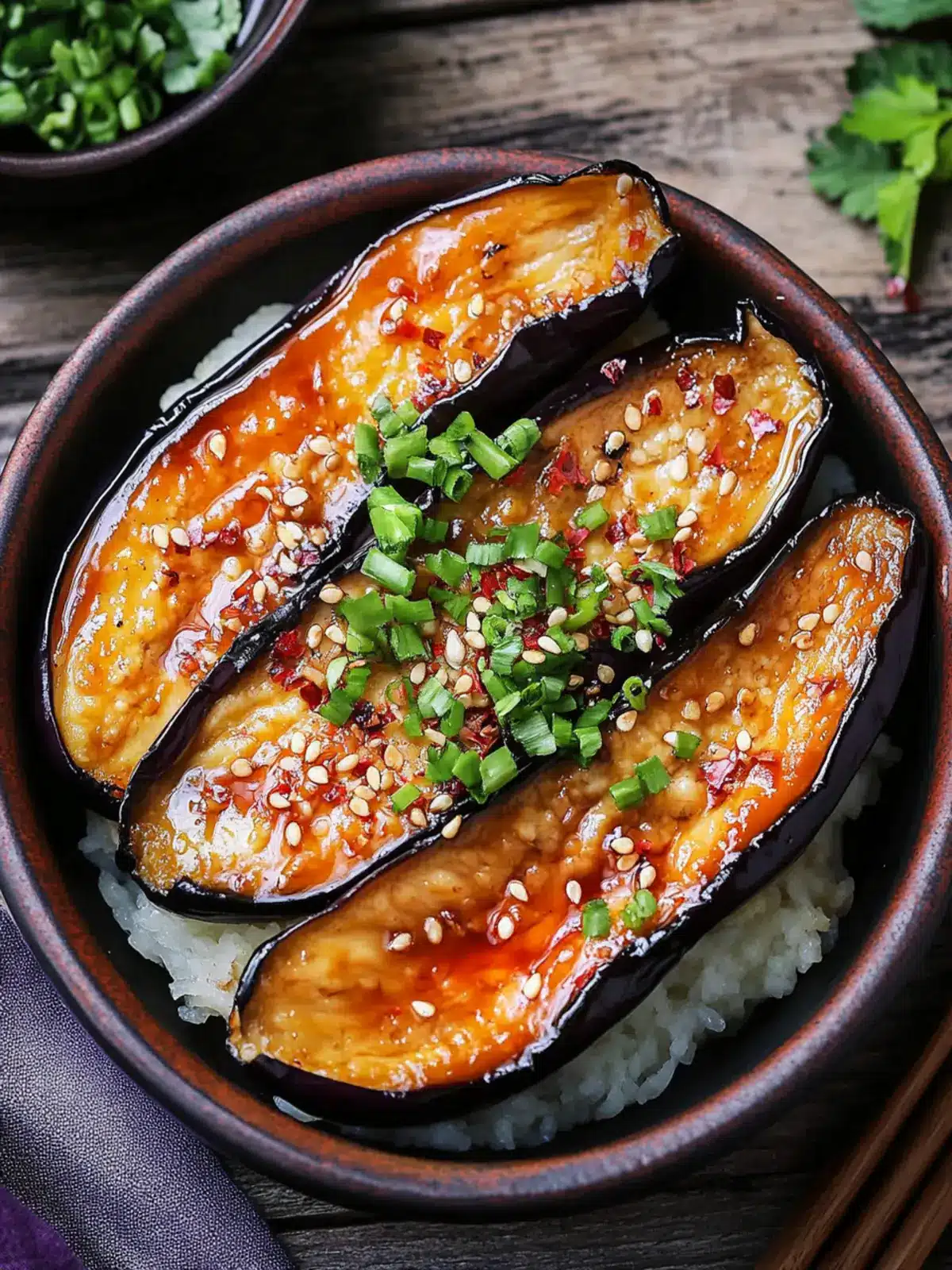
What to Serve with Eggplant Kabayaki?
Picture a cozy dinner table, where flavors dance in harmony, creating a truly unforgettable meal experience.
-
Steamed Edamame: These tender, salted soybeans offer a delightful, nutty flavor that complements the sweetness of the kabayaki beautifully.
-
Miso Soup: Warm miso soup brings a comforting, umami-filled broth to your table, enhancing the Japanese theme without overwhelming the taste buds.
-
Fresh Cucumber Salad: A crisp, refreshing cucumber salad adds a crunch and bright acidity, providing a perfect contrast to the rich eggplant.
-
Stir-Fried Bok Choy: This vibrant green vegetable, lightly sautéed, delivers a tender crunch that balances out the creaminess of the kabayaki with its fresh flavor.
-
Japanese Pickles: Crunchy and tangy, pickled vegetables create an exciting taste experience that cuts through the richness, ensuring a well-rounded meal.
-
Sake or Green Tea: Sipping on chilled sake or a warm cup of green tea enhances the dining experience, offering soothing qualities and cleansing the palate after each bite.
-
Black Sesame Ice Cream: For dessert, a scoop of this creamy treat brings a unique, nutty flavor that pairs well with the savory notes of the meal, ending things on a sweet note.
Creating the perfect dining experience with eggplant kabayaki involves exploring various textures and flavors, ensuring every bite is a delight!
How to Store and Freeze Eggplant Kabayaki
-
Room Temperature: Eggplant Kabayaki is best enjoyed fresh. If kept at room temperature, consume within 2 hours to ensure quality and flavor.
-
Fridge: Store any leftovers in an airtight container in the fridge for up to 3 days. Reheat gently in a pan to restore its delightful texture.
-
Freezer: You can freeze Eggplant Kabayaki for up to 3 months. Wrap individual portions tightly in plastic wrap and place them in a freezer-safe bag.
-
Reheating: When ready to enjoy again, thaw overnight in the fridge and reheat tailored to your preference, either in the microwave or on the stovetop for the best results.
Make Ahead Options
These Eggplant Kabayaki are fantastic for meal prep, allowing you to save valuable time during busy weeknights. You can prepare the eggplants by peeling and microwaving them up to 24 hours in advance, storing them in an airtight container in the fridge to maintain their freshness. Additionally, mix the sauce ingredients ahead and refrigerate them for up to 3 days. When you’re ready to serve, simply follow the final cooking steps: heat the pan, cook the eggplants until golden, add the sauce, and serve them over warm rice for a delightful meal that feels just as special as if you made it from scratch that day!
Expert Tips for Eggplant Kabayaki
-
Choose Fresh Eggplants: Select firm, shiny eggplants to ensure the best texture and taste. Avoid any that feel soft or have blemishes.
-
Microwave First: Pre-cooking the eggplants in the microwave softens them, making it easier to cut and helps them cook evenly when frying.
-
Don’t Skip the Flour: Sprinkling all-purpose flour on the cut side helps achieve a crispy finish. Too much flour can lead to a gummy texture, so use a light dusting.
-
Watch the Sauce: When adding the sauce, make sure to coat the eggplants gently. Overcrowding the pan can lead to uneven glazing and burning.
-
Experiment with Toppings: Customize your kabayaki with your favorite toppings—consider adding pickled vegetables for extra crunch.
-
Serve Warm: For the best experience, serve the Eggplant Kabayaki warm over the rice. Cold eggplant can lose its vibrant flavor and texture.
Eggplant Kabayaki Variations
Feel free to put your own spin on this delicious Eggplant Kabayaki recipe and make it uniquely yours!
-
Gluten-Free: Substitute all-purpose flour with rice flour to maintain that crispy texture without gluten.
-
Spicy Twist: Add a teaspoon of chili paste or red pepper flakes to the sauce for a delightful heat that complements the sweetness of the eggplant.
-
Veggie Boost: Incorporate additional vegetables like bell peppers or zucchini, grilling them along with the eggplants for extra color and flavor.
-
Miso Magic: Replace some of the soy sauce with miso paste for a rich, savory depth that enhances the umami experience.
-
Coconut Rice: Serve the kabayaki over coconut-infused rice by cooking your Japanese short-grain rice in coconut milk for a creamy, tropical twist.
-
Nutty Finish: Top with crushed peanuts or almond slivers instead of sesame seeds for a crunchy texture and nutty flavor contrast.
-
Herbaceous Zest: Mix in fresh herbs like cilantro or Thai basil into your garnish for a refreshing aromatic touch that brightens each bite.
-
Marinade Method: For an even deeper flavor, marinate the eggplants in the sauce for 30 minutes before cooking, allowing the flavors to penetrate beautifully.
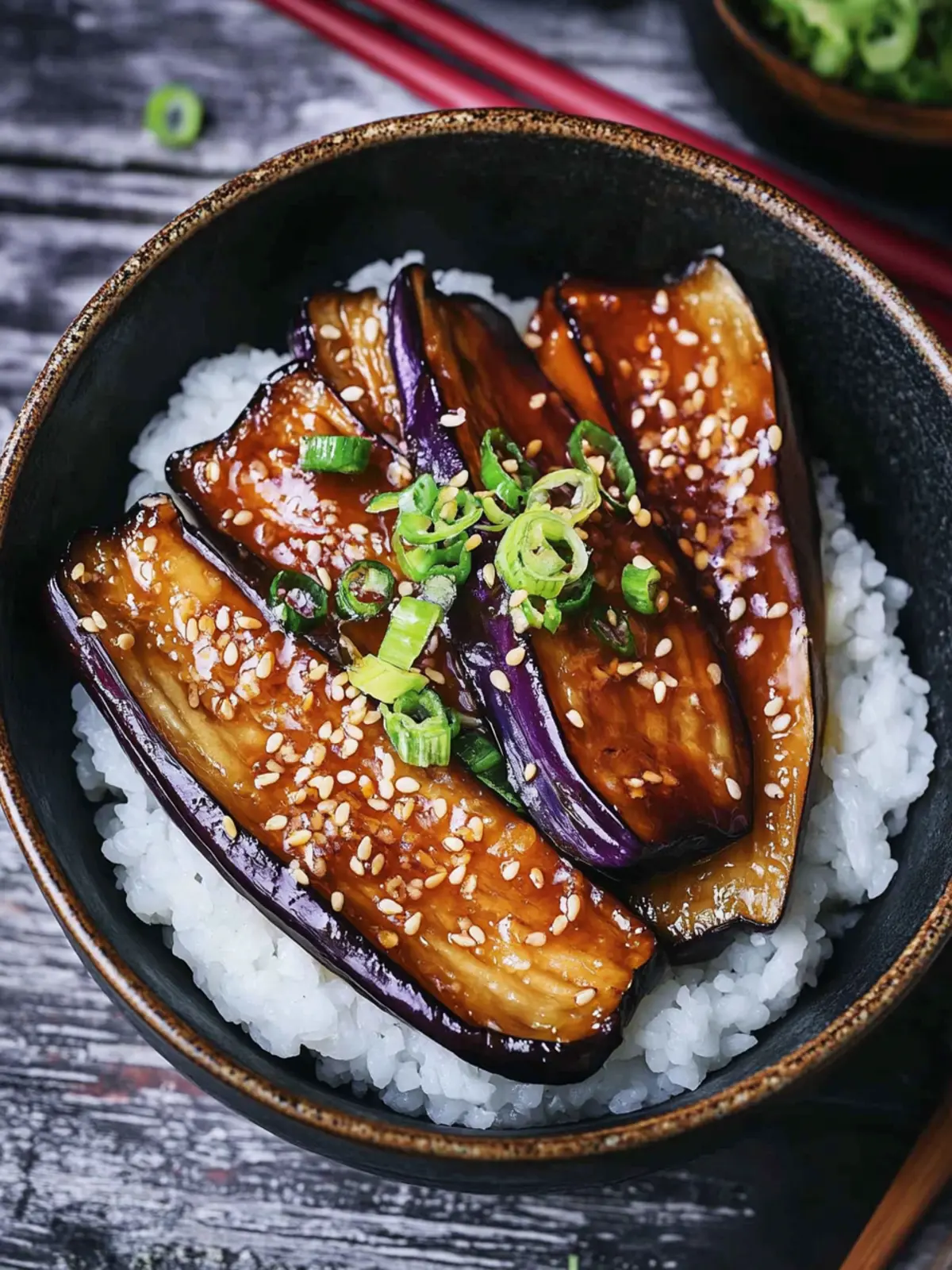
Eggplant Kabayaki Recipe FAQs
How do I choose the best eggplants for this recipe?
Absolutely! When selecting eggplants, look for firm, shiny ones without blemishes or soft spots. Smaller eggplants tend to have a milder flavor and fewer seeds, making them ideal for kabayaki. Aim for eggplants that feel heavy for their size to ensure freshness.
How should I store leftover Eggplant Kabayaki?
Very well! Store any leftovers in an airtight container in the refrigerator, and they’ll stay fresh for up to 3 days. To enjoy them again, simply reheat gently in a pan over low heat to revive that delicious texture. If you prefer, you can add a splash of water to help steam the eggplants for moisture.
Can I freeze Eggplant Kabayaki? How?
Yes, you can! To freeze Eggplant Kabayaki, first allow it to cool completely. Wrap individual portions tightly in plastic wrap and then place them in a freezer-safe bag. This way, you can store them for up to 3 months. When you’re ready to enjoy, thaw overnight in the fridge, then reheat gently in the microwave or on the stovetop.
What should I do if my eggplants turn out mushy?
If your eggplants become mushy, it may be due to overcooking or using overly ripe ones. For next time, ensure you pick firm eggplants and try microwaving them for just 2-3 minutes to soften before cooking. If the mushiness happens, you can try adding them to a stir-fry with crunchier vegetables to complement their texture.
Is Eggplant Kabayaki suitable for a vegetarian diet?
Absolutely! Eggplant Kabayaki is a delightful vegetarian dish, packed with flavor and perfect for meatless meals. Just be mindful of the soy sauce and ensure it’s labeled as vegan if you’re strictly avoiding animal products. You could also use alternative sauces like coconut aminos for a gluten-free adaptation.
Can I adjust the spice level in the dish?
Yes, definitely! If you prefer a bit more heat, add extra wasabi to your serving, or mix in some chili flakes while cooking to elevate the spice level. Alternatively, you can serve it with a side of spicy dipping sauce for those who love a fiery kick!
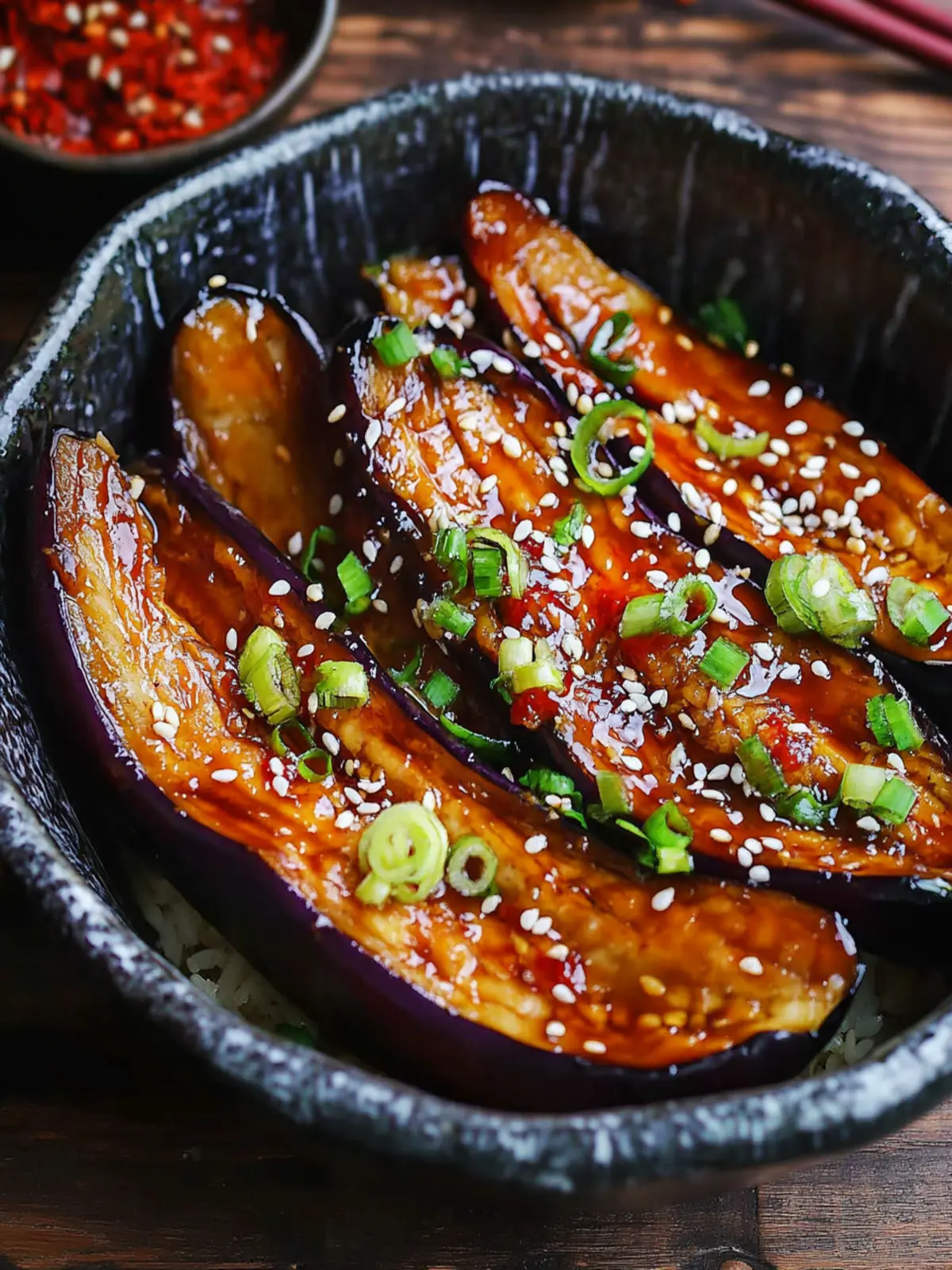
Delicious Eggplant Kabayaki: Elevate Your Homemade Dishes
Ingredients
Equipment
Method
- Peel the eggplants and place them in a heatproof bowl. Cover with plastic wrap and microwave for 3 minutes at 600W to soften them for easy handling.
- While the eggplant cools, combine dark brown sugar, Japanese dark soy sauce, sake, and mirin in a small bowl. Set it by the stove, ready for delicious flavor infusion.
- Once the eggplants have cooled enough to handle, cut them down the middle lengthwise, making sure not to cut all the way through. Open them like a book and make several incisions to help them cook evenly.
- Press the surface with your knife, gently flattening the eggplants further to enhance the caramelization during cooking.
- Warm a pan over medium heat. While it heats up, sprinkle the cut side of the eggplants with all-purpose flour for a crispy texture.
- Once the pan is hot, drizzle in the cooking oil and place the eggplants inside with the flour-dusted side facing down. Cook until golden brown.
- Carefully flip the eggplants using a spatula and allow the other side to brown nicely; this should take a few minutes until both sides are beautifully golden.
- Pour in the prepared sauce and gently move the eggplants around the pan to ensure they’re coated evenly. Continue cooking until the sauce thickens and glazes the eggplants, then remove from heat.
- In serving bowls, divide the warm cooked Japanese short-grain rice. Brush it with the leftover sauce from the pan and sprinkle with kizami nori. If you like it spicy, feel free to add wasabi on the side!
- Place the glazed eggplant kabayaki on top of the rice. Finish with a sprinkle of finely chopped green onions and toasted white sesame seeds for a beautiful presentation.