
The first time I tasted homemade gochujang, I was transported to a bustling Korean market, where the rich, spicy-sweet aroma wrapped around me like a warm embrace. Crafting this beloved chili paste at home may seem daunting, but I promise the journey is as flavorful as the final product. With just a handful of ingredients—yeotgireum, chapssal garu, and gochugaru—you can create a complex blend that elevates any dish.
Picture this: a busy weeknight, craving something comforting and bold, but tired of fast food. Homemade gochujang not only satisfies that itch but adds depth to everything from stews to marinades. This recipe invites you to embrace the art of fermentation, allowing the flavors to mingle and develop over time. The bonus? Once you’ve mastered gochujang, your friends and family will be begging you for the secret ingredient behind your signature dishes. So, roll up your sleeves, and let’s dive into this deliciously rewarding adventure!
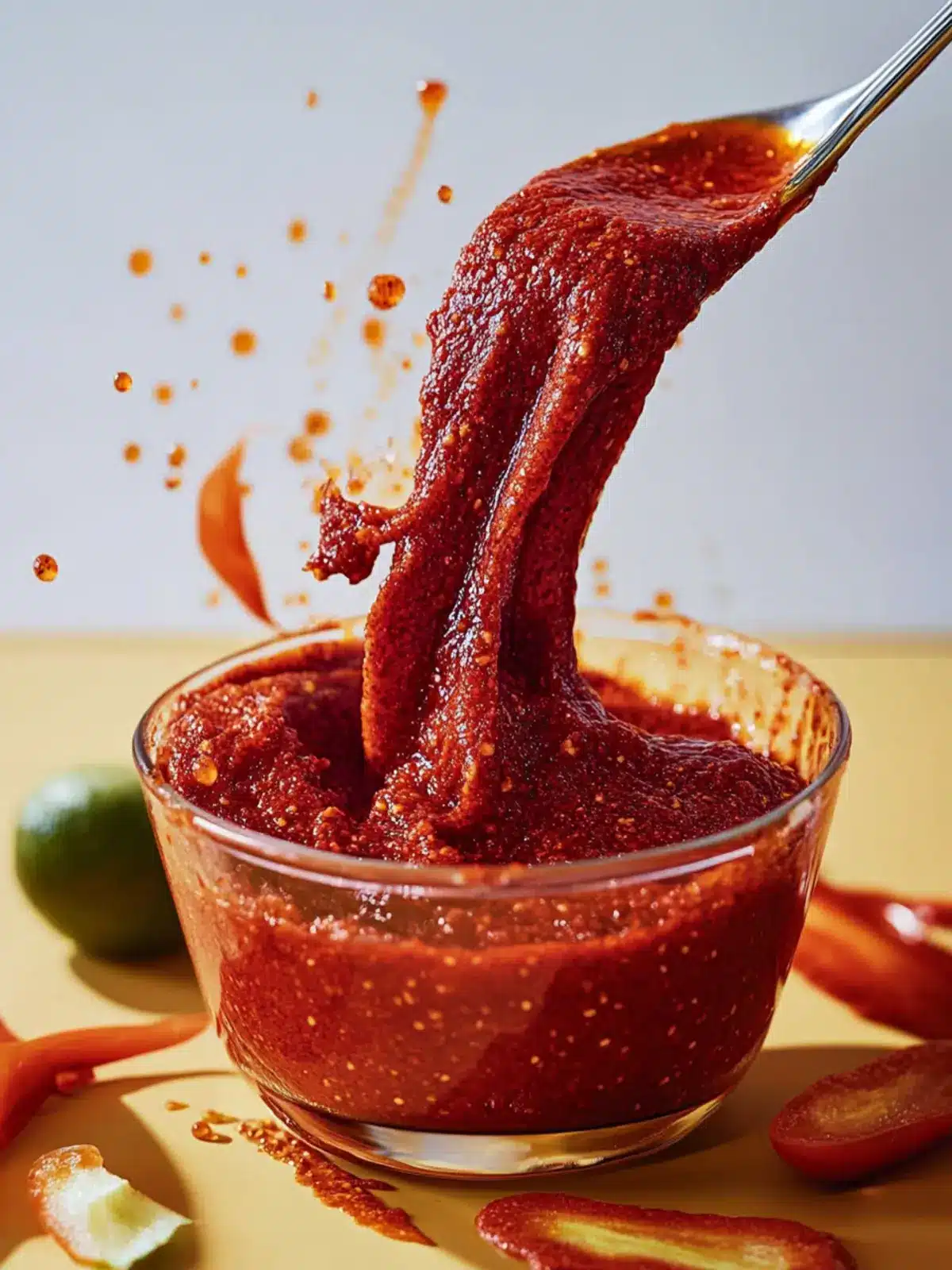
Why is Gochujang a Must-Make?
Bold flavor: Homemade gochujang offers a unique taste that store-bought versions simply can’t match.
Nourishing process: The fermentation adds depth and complexity, transforming simple ingredients into a powerhouse of flavor.
Endless versatility: Use it in marinades, soups, or even as a dipping sauce!
Culinary adventure: Crafting your own gochujang is a rewarding journey that connects you with traditional Korean cooking.
Impress your guests: Your friends will be amazed by the robust taste and ask for your secret! Try it, and they’ll soon be in awe of your culinary skills.
Gochujang Ingredients
Let’s gather our ingredients for the deliciously spicy journey of making gochujang!
For the Base
• 500 grams yeotgireum (엿기름) – This barley malt is essential for sweetness and fermentation.
• 500 grams wet chapssal garu (찹쌀) – Sweet rice flour gives the gochujang its delightful texture.
• 250 grams meju garu (메주가루) – This fermented soybean powder is vital for developing that deep umami flavor.
For Flavor and Preservation
• 250 grams Korean Cheonilyeom (천일염) – Sea salt not only enhances flavor but also aids in fermentation.
• 500 grams finely ground gochugaru (고추가루) – This Korean chili powder brings the heat and signature color to your gochujang!
Optional Sweetness
• 1 cup jocheong (조청) – This sweet syrup enhances the flavor profile, but can be omitted if you prefer a sharper taste.
Get ready to whisk these amazing ingredients together into a sensational homemade gochujang!
How to Make Gochujang
-
Combine: Place the barley malt in a large bowl and stir in 10 cups of warm water. Let it sit for an hour or two, or even overnight, to allow the flavors to meld beautifully.
-
Squeeze: Rub the malt between your palms and squeeze out the milky liquid. Strain it through a fine sieve into another bowl. If you don’t have one, using cheesecloth is a great alternative.
-
Repeat: Place the malt husks back in the first bowl, adding another 10 cups of water. After squeezing and straining again, transfer this new liquid to your heavy-bottom pot.
-
Mix: Add the sweet rice powder to the malt water, stirring well. Turn the heat on low to warm it up gently, letting it sit for about two hours to enhance its flavors.
-
Boil: Increase the heat to medium and boil the mixture down to half its volume, stirring occasionally. This process will take approximately 2 hours.
-
Dissolve: While the liquid remains warm, pour 7 cups into a large bowl and add the salt. Stir until it dissolves completely, ensuring a well-integrated flavor.
-
Whisk: Using a whisk, add in the fermented soybean powder, mixing well until the mixture is smooth and free of lumps.
-
Add Spice: Gently stir in the gochugaru, ensuring there are no large lumps. Adjust the thickness with more malt liquid or an optional sweetener if desired.
-
Rest: Let your mix sit for a few hours, allowing the dry ingredients to fully absorb the liquid and the salt to dissolve completely.
-
Jar Up: Transfer to jars or an onggi, lightly sprinkle with coarse sea salt on top, and cover with fine mesh fabric secured with a rubber band.
-
Ferment: Place the lid on and keep it outdoors in cool temperatures or near a sunny window at room temperature. On sunny days, remove the lid to allow for sunlight exposure, letting it ferment for 60 to 90 days for maximum flavor.
Optional: Use a decorative jar for gifting or a beautiful kitchen display.
Exact quantities are listed in the recipe card below.
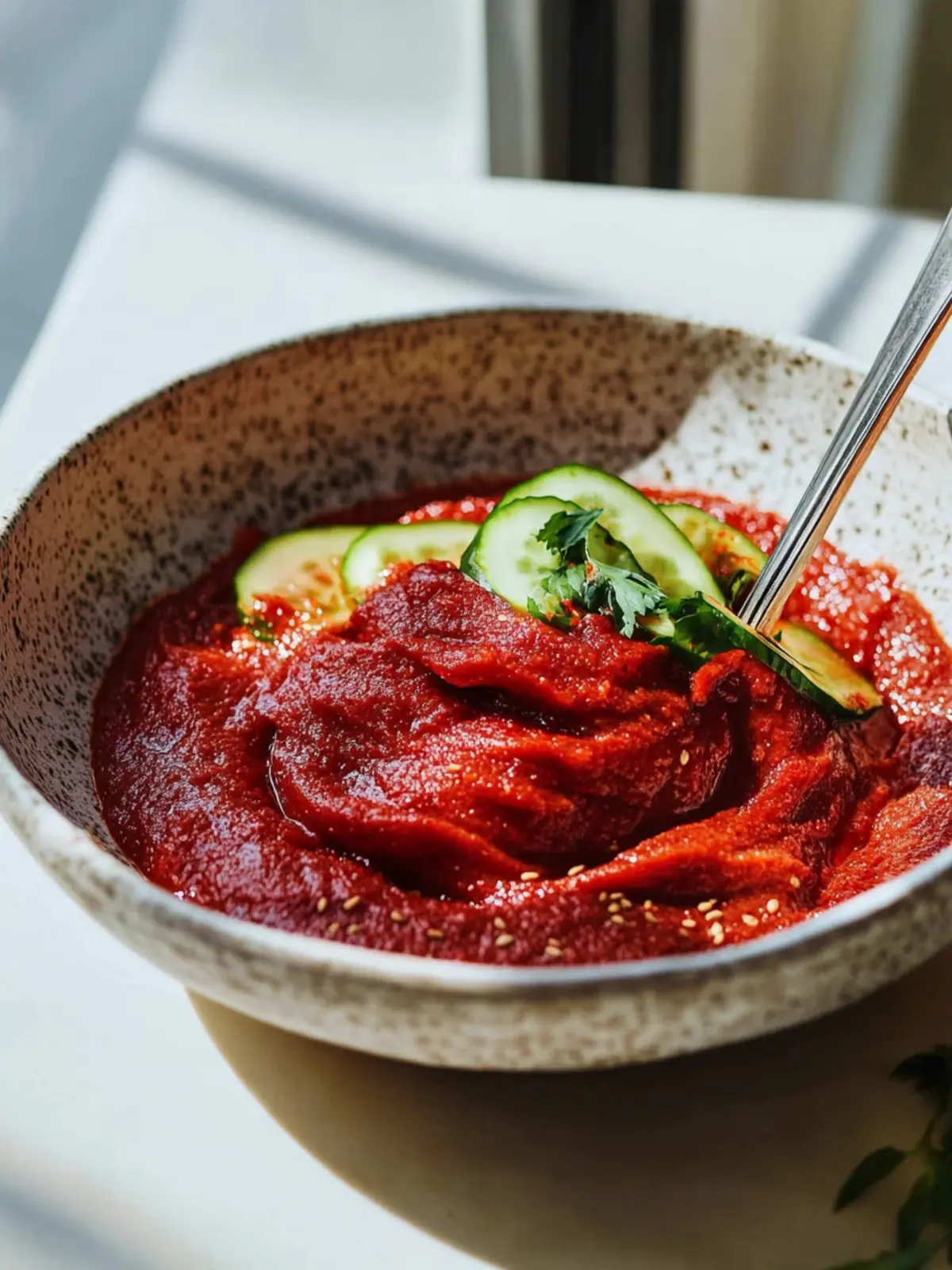
Tips for the Best Gochujang
• Choose Quality Ingredients: Use the freshest yeotgireum and gochugaru you can find. This will ensure the flavor of your gochujang is vibrant and authentic.
• Fermentation Time: Don’t rush the fermentation process; allowing 60 to 90 days results in complex flavors. Check regularly, but patience truly pays off.
• Temperature Matters: Keep your gochujang in a location that stays cool, but also lets in some sunlight. This balance helps the fermentation thrive.
• Consistent Stirring: During the cooking phase, make sure to stir occasionally. This promotes even heat distribution and prevents sticking or burning.
• Adjust Sweetness and Spice: Don’t hesitate to modify the sweetness and spice levels to suit your family’s palate. It’s easy to add more jocheong or gochugaru as needed!
Remember, crafting your homemade gochujang isn’t just about following the steps; it’s about enjoying the journey and creating a flavorful masterpiece.
How to Store and Freeze Gochujang
Room Temperature: If kept in the original jars, homemade gochujang can stay at room temperature for up to 2 weeks. Just ensure the lid is tight to maintain freshness.
Fridge: For longer storage, place the jars in the fridge, where it can last for up to 6 months. Always use a clean utensil to avoid contamination.
Freezer: Gochujang can also be frozen in airtight containers for up to a year. Just remember to thaw it in the refrigerator before use, and give it a good stir.
Reheating: To incorporate gochujang into your dishes, simply scoop out the desired amount and mix it directly into soups, marinades, or sauces—no need for reheating!
Gochujang Variations
Feel free to get creative with your homemade gochujang—there are plenty of ways to customize this rich chili paste!
-
Spicy Kick: Add more gochugaru for an extra heat boost. Just a teaspoon or two can transform it into a fiery sensation.
-
Sweet & Savory: Substitute honey or maple syrup for jocheong to add a different kind of sweetness. The caramel notes will beautifully complement the spice.
-
Vegan Friendly: Replace yeotgireum with malt extract or agave syrup for a vegan alternative without losing the depth of flavor. Your gochujang will still shine brightly!
-
Fruity Twist: Mix in a tablespoon of pureed fruit, like peach or apricot, for a subtle fruity undertone. This can elevate your sauces and marinades to new, flavorful heights.
-
Umami Burst: Incorporate a splash of soy sauce or tamari for added umami. It deepens the taste profile and brings different dimensions to your dishes.
-
Herbal Infusion: Blend in a teaspoon of sesame oil or fresh herbs like cilantro for an aromatic twist. This addition can enliven your gochujang and create a wonderful fusion of flavors.
-
Nutty Flavor: Ground sesame seeds can be added for a unique texture and nuttiness. This enhances both the flavor and the nutritional value of your gochujang.
-
Zesty Citrus: A squeeze of lime or lemon juice can provide a fresh zing. This brightens up the flavor profile, making it perfect for summer dishes or lighter fare.
Make Ahead Options
Making homemade gochujang is not only rewarding, but it also lends itself beautifully to meal prep, saving you time on busy weeknights. You can complete the initial steps—combining the barley malt and warm water, squeezing out the milky liquid, and mixing in the sweet rice powder—up to 24 hours in advance. Simply store any prepared components in airtight containers in the refrigerator to maintain freshness. When you’re ready to finish preparing your gochujang, heat your mixture, add salt and soybean powder, and stir in the gochugaru for that signature heat. By prepping ahead, you’ll find that your final product tastes just as delicious while freeing up your schedule for other culinary adventures!
What to Serve with Gochujang?
Homemade gochujang brings a tantalizing, spicy-sweet flavor that transforms any meal into an unforgettable experience.
-
Grilled Chicken Skewers: Marinate chicken in gochujang for a spicy kick that perfectly complements the smoky char from the grill. Serve them with a side of tangy dipping sauce for extra delight.
-
Steamed Rice: Fluffy white rice acts as a blank canvas, soaking up every drop of that rich, umami flavor. It’s the perfect companion for balancing the heat of gochujang.
-
Spicy Kimchi: This traditional fermented side dish harmonizes beautifully with gochujang, elevating each bite with its crunch and spiciness. Plus, it’s a perfect probiotic boost for your gut!
-
Korean BBQ Beef: Sliced beef brisket or short ribs grilled to perfection can be brushed with gochujang for a fusion of flavors as you savor the richness of both.
-
Vegetable Stir-Fry: Toss your favorite colorful veggies in a bit of gochujang for a sweet and spicy side that adds depth to every bite while keeping it healthy.
-
Savory Pancakes (Jeon): Add gochujang to the batter for a kick in your savory pancakes, making each crispy bite an adventure in flavor that everyone will love.
-
Sesame Noodles: Drizzle gochujang over sesame noodles for a spicy twist that enhances the nutty flavors of the sauce and creates a delightful dish for any gathering.
-
Cold Tofu Salad: Pair your gochujang with chilled tofu, drizzled with a light sesame oil dressing for a refreshing contrast that showcases the gochujang’s depth.
-
Fruit Sorbet: For dessert, a refreshing fruit sorbet can balance the heat of gochujang. The coolness and sweetness provide a perfect finish to this bold meal.
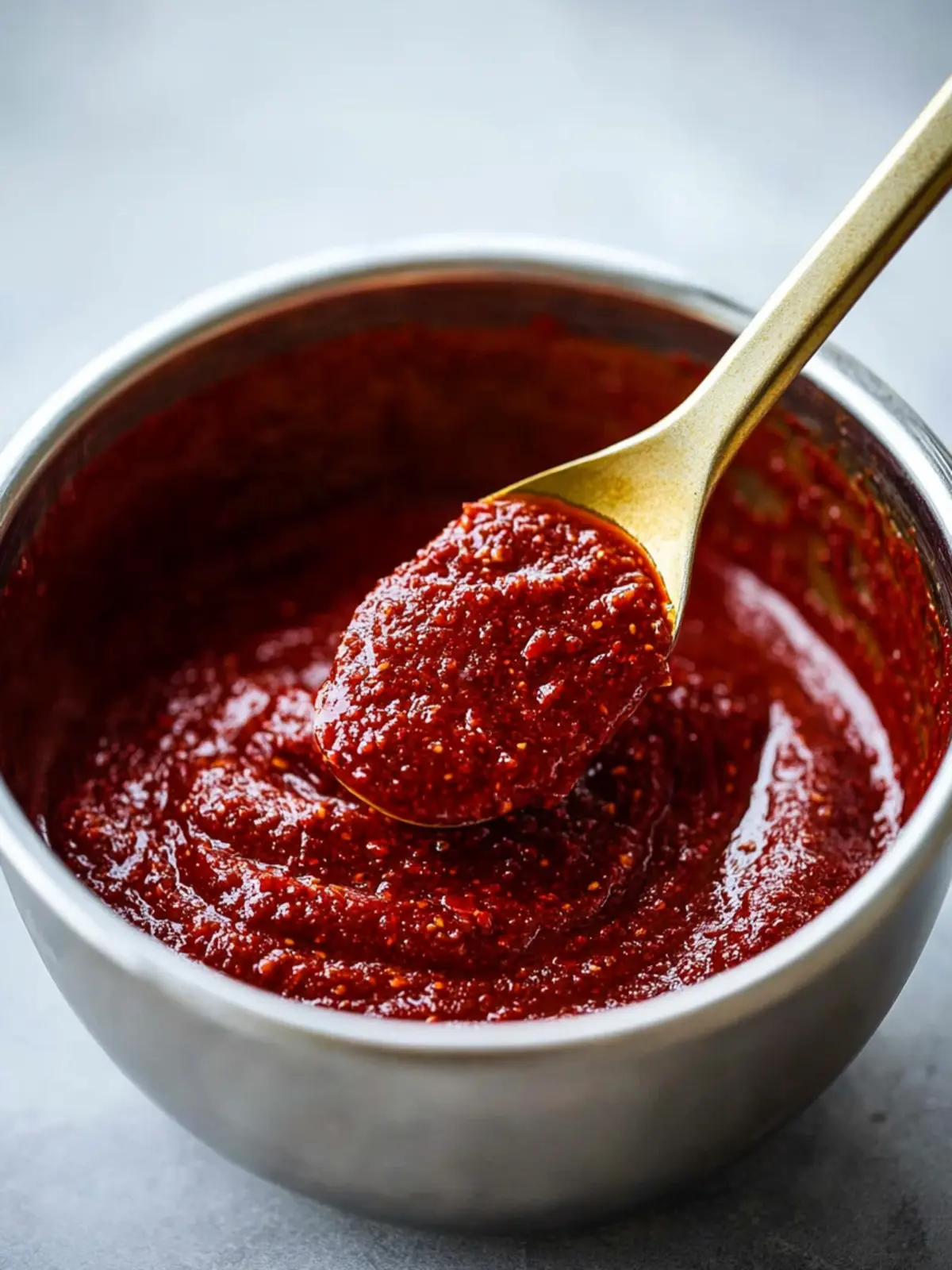
Gochujang Recipe FAQs
How do I select the best yeotgireum for making gochujang?
Absolutely! When choosing yeotgireum, look for a fresh and fragrant barley malt. Check for a fine texture, and avoid any that have dark spots or an off smell, as this indicates poor quality.
What is the best way to store homemade gochujang?
For optimal freshness, store your homemade gochujang in the fridge where it can last up to 6 months. Always use a clean spoon to scoop it out, which helps prevent contamination and keeps your gochujang safe to use!
Can I freeze gochujang? If so, how?
Yes, you can freeze gochujang! Just pour it into airtight containers, leaving a little space at the top for expansion, and store it in the freezer for up to a year. When you’re ready to use it, thaw in the fridge and give it a good stir before incorporating it into your dishes.
What should I do if my gochujang is too thick?
If your gochujang turns out too thick, don’t worry! Gradually stir in a bit of malt liquid or warm water until you reach your desired consistency. Remember, it’s a journey, so taste as you go for the best results!
Is gochujang safe for people with gluten allergies?
Very! For those with gluten allergies, ensure you use gluten-free soy products like the fermented soybean powder. Most of the ingredients in gochujang are inherently gluten-free, but it’s always wise to double-check labels when you shop!
How long should I let gochujang ferment for the best flavor?
For the best flavor, allow your gochujang to ferment for 60 to 90 days at room temperature or in a cool place. The fermentation process deepens the flavor profile beautifully, so patience is key! The more the merrier in terms of flavor!
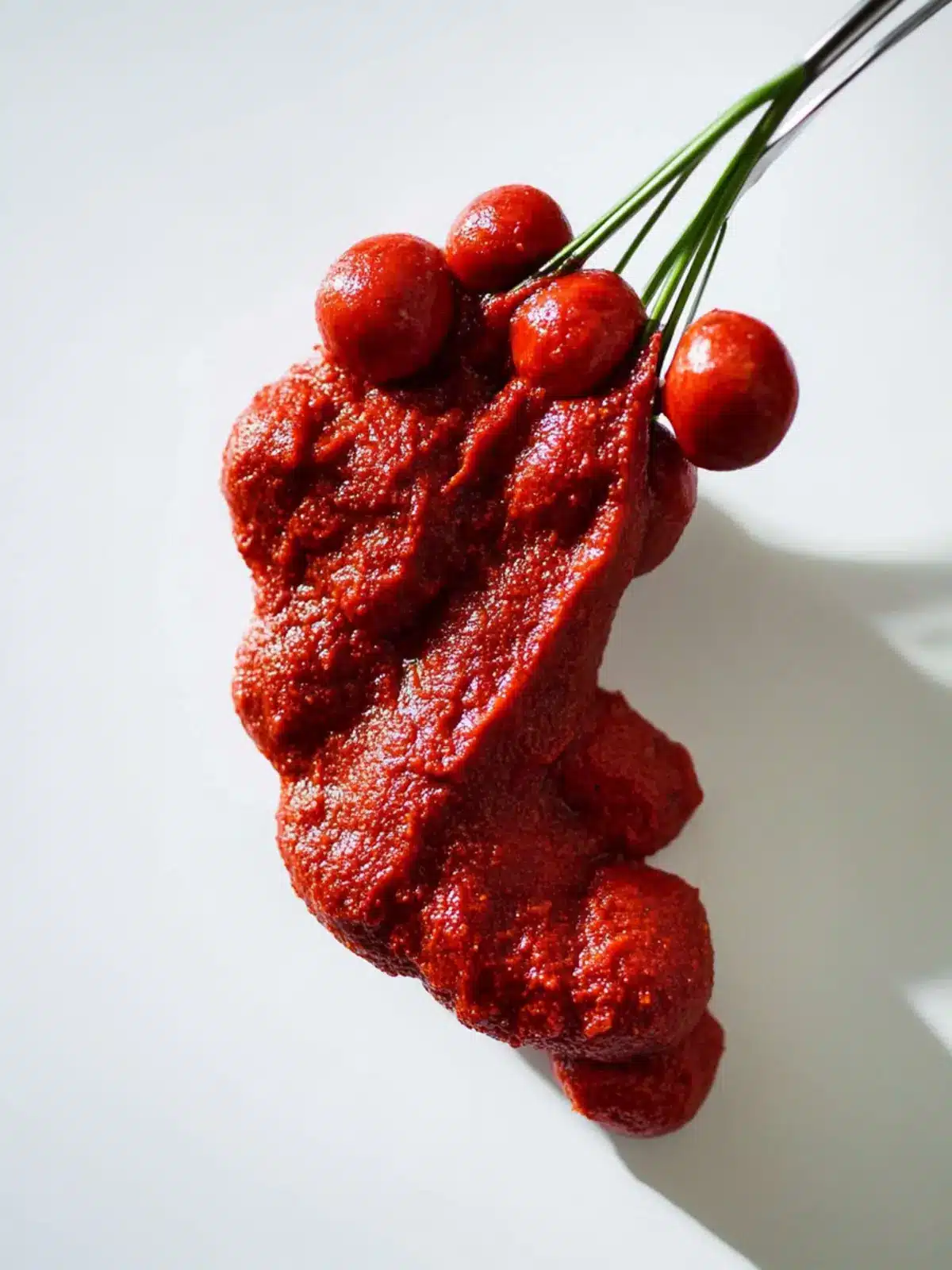
Homemade Gochujang: Your Secret to Bold Flavor Explosions
Ingredients
Equipment
Method
- Combine: Place the barley malt in a large bowl and stir in warm water. Let it sit for an hour or two.
- Squeeze: Rub the malt between your palms and squeeze out the milky liquid. Strain it into another bowl.
- Repeat: Place the malt husks back in the bowl, adding water. Squeeze and strain again.
- Mix: Add sweet rice powder to malt water, stirring well on low heat for about two hours.
- Boil: Increase heat to medium and boil the mixture down to half its volume, stirring occasionally.
- Dissolve: Pour part of the liquid into a large bowl and add the salt; stir until dissolved.
- Whisk: Add in the fermented soybean powder and mix until smooth.
- Add Spice: Stir in the gochugaru, adjusting thickness as needed.
- Rest: Let the mix sit for a few hours to allow absorption.
- Jar Up: Transfer to jars and sprinkle with sea salt; cover with fine mesh fabric.
- Ferment: Keep the jar in a warm place for 60 to 90 days for fermentation.