
There’s something truly special about a dish that combines the best of two worlds, and that’s exactly what you’ll find in Gyu Kaku Sukiyaki Bibimbap. As the steam rises from the bowl, rich aromas of sweet-savory beef and umami-packed vegetables envelop the kitchen, wrapping you in a warm hug of comfort. I first discovered this delightful fusion while attempting to spice up our usual weeknight meals, and it has since transformed into a go-to favorite.
Imagine sinking your spoon into fluffy Japanese rice topped with tender slices of ribeye and vibrant veggies, all drizzled with a luscious sukiyaki sauce. Best of all, this culinary masterpiece can be whipped up in just 25 minutes! Whether you’re fueling up after a busy day or impressing family at dinner, this dish is not only quick but also makes for a hearty and satisfying meal that will have everyone asking for seconds. So, let’s dive in and create this comforting feast together!

Why is Gyu Kaku Sukiyaki Bibimbap a Must-Try?
Quick Preparation: This recipe comes together in just 25 minutes, making it perfect for busy weeknights.
Flavor Explosion: Rich, sweet-savory beef combined with vibrant vegetables creates an unforgettable taste experience.
Versatile Toss-In: Feel free to customize with your favorite veggies or proteins, like tofu for a vegetarian twist.
Hearty Comfort: The fluffy rice and warm toppings provide a cozy comfort that wraps you in satisfaction.
Crowd-Pleasing: Ideal for family gatherings or impressing guests, everyone will be raving about this dish!
Discover more exciting ideas to pair with your meal in our serving suggestions!
Gyu Kaku Sukiyaki Bibimbap Ingredients
For the Beef
- Thinly Sliced Beef Ribeye – Provides rich, savory flavor; you can substitute with premium Wagyu or chicken thighs for a different twist.
For the Rice Base
- Cooked Japanese Short-Grain Rice – Serves as the comforting base; any short-grain rice or quick-cook option will work well.
For the Vegetables
- Yellow Onion – Adds sweetness and depth to the dish; red onions are a good alternative.
- Green Onions – Offers a fresh, mild onion flavor; can be omitted if you don’t have them on hand.
- Carrot – Provides crunch and sweetness; feel free to substitute with bell peppers or other veggies.
- Shiitake Mushrooms – Adds umami depth and texture; can be replaced with cremini or button mushrooms.
For the Sauce
- Unsalted Butter – Adds richness; use a vegan butter alternative for a dairy-free option.
- Soy Sauce – Delivers saltiness and umami; tamari is a great gluten-free substitute.
- Mirin – Adds sweetness; can be substituted with a mixture of sugar and rice vinegar.
- Brown Sugar – Sweetens the sauce; coconut sugar works well as an alternative.
- Sake or Dry Sherry – Enhances flavors and balances the dish; use white wine or omit for a non-alcoholic version.
- Toasted Sesame Oil – Provides a nutty aroma and flavor; regular sesame oil can be used as well.
For Toppings
- Sunny-Side Up Eggs – Adds creaminess and visual appeal; use pasteurized eggs for safety or skip for a vegan version.
- Sesame Seeds – Garnish for an extra crunch and visual appeal on your Gyu Kaku Sukiyaki Bibimbap.
How to Make Gyu Kaku Sukiyaki Bibimbap
-
Rinse Rice: Start by rinsing the short-grain rice under cold water until it runs clear. This helps remove excess starch for a fluffier texture.
-
Cook Rice: Place the rinsed rice in a rice cooker or pot with 2.5 cups of water. Cook until tender, about 18-20 minutes.
-
Prepare Sukiyaki Sauce: In a saucepan, combine soy sauce, mirin, brown sugar, and sake. Bring to a gentle simmer for 5 minutes, allowing the flavors to meld.
-
Slice Vegetables & Beef: While the sauce simmers, julienne the carrot, and thinly slice the onion and shiitake mushrooms. For easier slicing, freeze the beef for about 20 minutes beforehand and cut thinly against the grain.
-
Sauté Onion: Melt 1 tablespoon of unsalted butter in a large skillet over medium-high heat. Add the sliced onion and sauté until golden and soft, approximately 4 minutes.
-
Sear Beef: Layer the beef slices in the skillet and cook for about 1 minute on each side, ensuring they are just lightly seared and tender.
-
Deglaze & Add Veggies: Pour the prepared sukiyaki sauce over the beef, scraping up any browned bits from the pan. Add the shiitake mushrooms and simmer for 2 minutes, then mix in the julienned carrot and cook until tender-crisp, around 2 more minutes.
-
Finish Sauce: Stir in the remaining butter until the sauce is glossy and well combined.
-
Assemble Bowls: Spoon the cooked rice into bowls, generously top with the beef and vegetables, add a sunny-side-up egg on top, and sprinkle with sesame seeds to serve.
Optional: For an extra touch of flavor, drizzle more toasted sesame oil before serving.
Exact quantities are listed in the recipe card below.
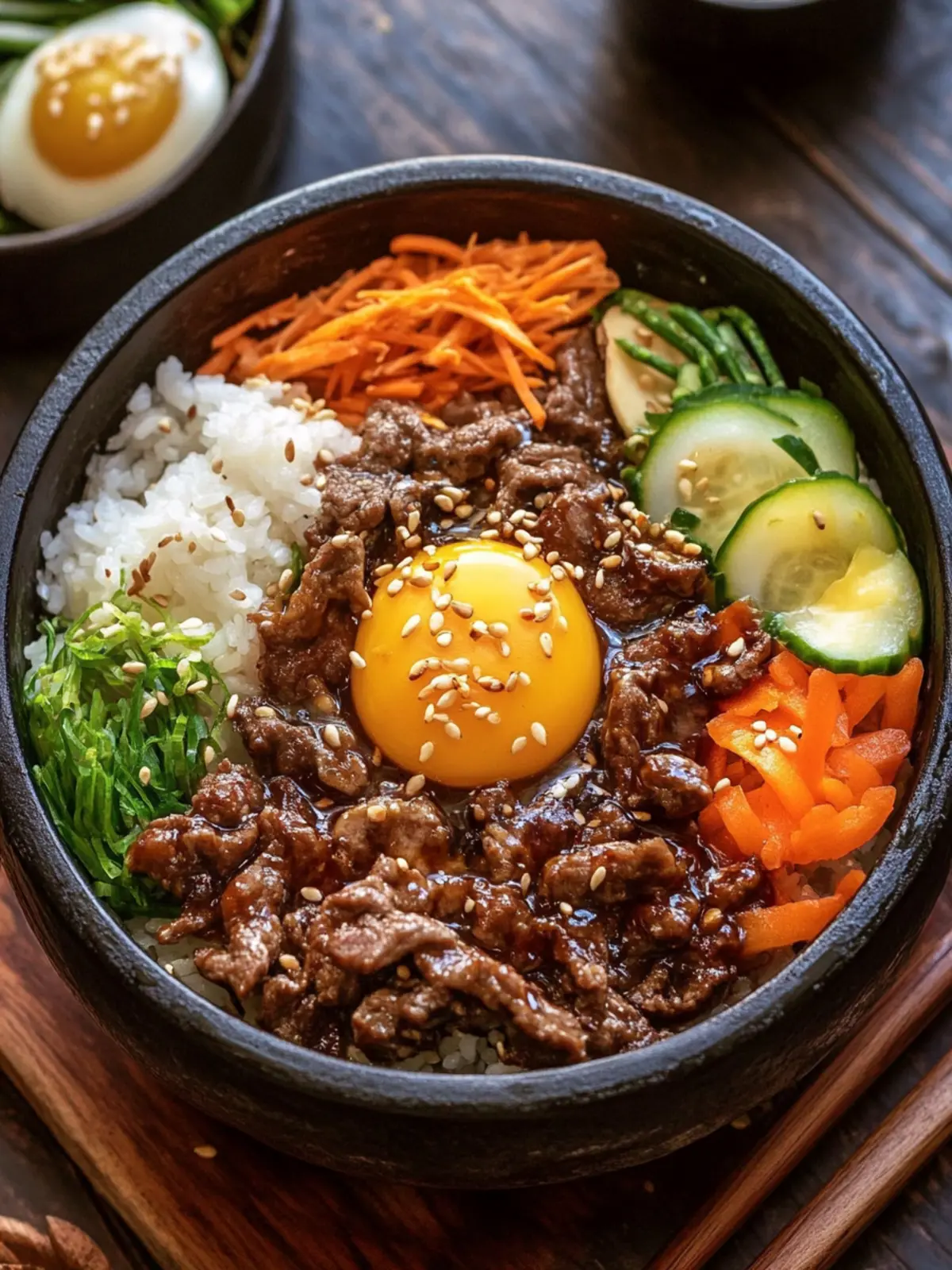
Gyu Kaku Sukiyaki Bibimbap Variations
Feel free to get creative with your Gyu Kaku Sukiyaki Bibimbap, adapting it to your taste preferences and dietary needs!
-
Vegetarian Option: Substitute thinly sliced beef with extra-firm tofu for a hearty, plant-based protein that soaks up the sukiyaki sauce beautifully.
-
Extra Veggies: Add some vibrant bell peppers, zucchini, or snap peas for an extra crunch and layer of flavor to your dish.
-
Mushroom Medley: Swap shiitake mushrooms with enoki or oyster mushrooms—each will bring a unique texture and highlight the umami.
-
Spicy Kick: Incorporate thinly sliced jalapeños or a dash of sriracha to spice things up, perfect for those who crave a little heat.
-
Noodle Twist: Serve your bibimbap over cooked udon or soba noodles instead of rice for a delightful twist on this classic dish.
-
Flavorful Broth: Pour a bit of warm dashi or chicken stock over the assembled bibimbap to create a comforting broth base that enhances each bite.
-
Asian Greens: Toss in some lightly sautéed bok choy or spinach for a nutritious boost and a pop of color.
-
Garnish Switch-Up: Instead of sesame seeds, top with crushed peanuts or a sprinkle of furikake seasoning for added crunch and a new flavor dimension.
Make Ahead Options
These Gyu Kaku Sukiyaki Bibimbap bowls are perfect for meal prep enthusiasts! You can prepare the sukiyaki sauce and slice the vegetables and beef up to 24 hours in advance, storing them in airtight containers to keep them fresh. Additionally, the cooked rice can be made ahead and refrigerated for up to 3 days; simply warm it gently in the microwave with a splash of water to prevent drying out. When you’re ready to serve, sauté your prepped ingredients and assemble the bowls with the rice, sunny-side-up eggs, and a sprinkle of sesame seeds for a delicious meal that’s just as satisfying as freshly made. Enjoy the extra time you save while delighting your family with this comforting dish!
Expert Tips for Gyu Kaku Sukiyaki Bibimbap
- Perfect Slicing: Partially freeze the beef for 20 minutes before slicing. This makes thin cuts easier and ensures even cooking.
- Avoid Overcooking: Sear the beef just until it’s lightly browned—overcooking can make it tough, undermining the rich comfort of the Gyu Kaku Sukiyaki Bibimbap.
- Rice Reheat Trick: When reheating leftovers, add a splash of water to the container. This keeps the rice moist and prevents it from drying out.
- Fresh Egg Addition: For the best texture, add fried eggs only during serving, ensuring they remain perfectly runny and creamy atop the warm ingredients.
How to Store and Freeze Gyu Kaku Sukiyaki Bibimbap
- Fridge: Store leftovers in airtight containers for up to 3 days. Make sure to separate the rice from the beef and veggies to maintain texture.
- Freezer: You can freeze only the beef-vegetable mixture for up to 1 month. Allow it to cool completely before transferring to freezer-safe bags for best results.
- Reheating: When ready to enjoy, thaw overnight in the fridge, then gently reheat in a skillet over low heat, adding a splash of water to keep it moist.
- Rice Tip: If storing cooked rice, place it in a sealed container in the fridge and consume within 3 days to enjoy its fluffy texture.
What to Serve with Gyu Kaku Sukiyaki Bibimbap?
To elevate your Gyu Kaku Sukiyaki Bibimbap experience, consider these delightful accompaniments that add flavor and texture.
-
Miso Soup: This warm, savory soup enhances the umami experience and provides a comforting balance to the meal.
-
Crispy Gyoza Dumplings: The delightful crunch of gyoza complements the soft textures of the bibimbap, making for a satisfying contrast in every bite.
-
Pickled Cucumbers: These refreshing, tangy bites provide a delightful crunch that cuts through the richness of the beef, brightening up your plate.
-
Chilled Oolong Tea: A soothing beverage option, its subtle flavor can cleanse your palate between bites, making each mouthful of sukiyaki even more enjoyable.
-
Steamed Edamame: These tender, protein-rich beans add a healthy, vibrant touch to your meal, enhancing the overall fusion of flavors.
-
Fresh Salad with Sesame Dressing: A light salad dotted with fresh greens complements the heartiness of the bibimbap, providing a refreshing crunch that elevates the dish.
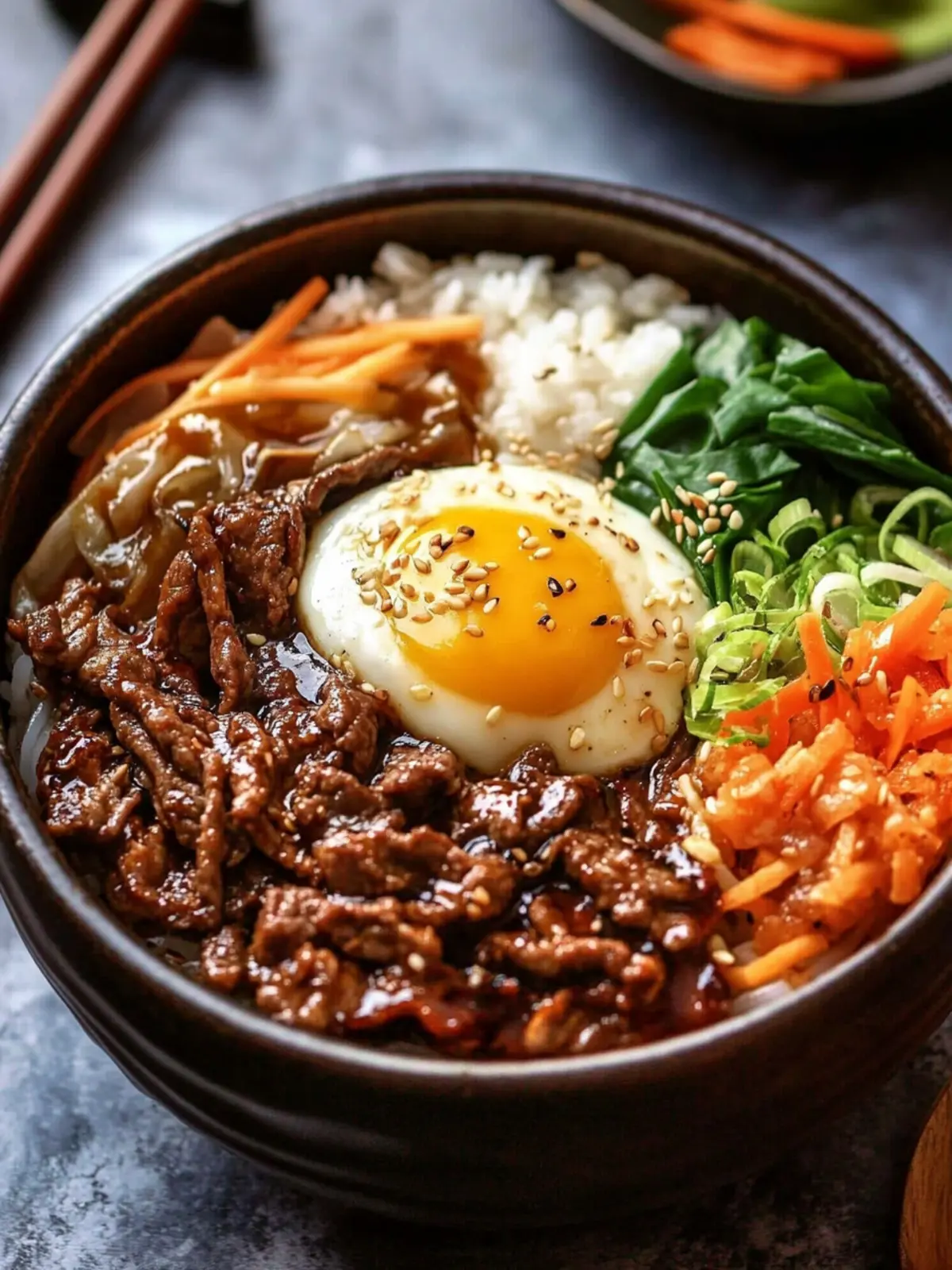
Gyu Kaku Sukiyaki Bibimbap Recipe FAQs
What type of beef is best for Gyu Kaku Sukiyaki Bibimbap?
Absolutely, thinly sliced beef ribeye is the star of this dish, providing a rich and savory flavor. You can easily substitute it with premium Wagyu beef for a luxurious twist or boneless skinless chicken thighs for a lighter option. Make sure to slice against the grain for maximum tenderness!
How should I store leftover Gyu Kaku Sukiyaki Bibimbap?
For any leftovers, place them in airtight containers, making sure to separate the rice from the beef and vegetables for optimal texture. You can refrigerate them for up to 3 days. When ready to eat, just reheat gently on the stove, adding a splash of water to keep the rice moist and fluffy!
Can I freeze Gyu Kaku Sukiyaki Bibimbap?
Yes! You can freeze the beef and vegetable mixture for up to 1 month. Allow it to cool completely before placing it in freezer-safe bags, making sure to remove as much air as possible. When you’re ready to enjoy, thaw it overnight in the fridge, then gently reheat it in a skillet over low heat. Adding a splash of soy sauce can enhance the flavors as it warms up.
Are there any dietary considerations for this dish?
Very! If you have dietary restrictions, you can easily make this dish vegetarian by substituting the beef with extra-firm tofu or seitan. Additionally, for those who are gluten-free, use tamari instead of soy sauce. Be cautious with the eggs—if you’re serving this to young children or pregnant individuals, consider using pasteurized eggs for safety.
What should I do if my beef ends up tough?
When preparing Gyu Kaku Sukiyaki Bibimbap, ensure you don’t overcook the beef. It should only be seared for about a minute on each side, just until it’s lightly browned and tender. If you find your beef is tough, it might be due to slicing against the grain; try slicing it thinner and at a slight angle next time!
How can I make Gyu Kaku Sukiyaki Bibimbap spicier?
The more the merrier! If you’re a fan of heat, consider adding sliced jalapeños or a sprinkle of chili flakes when sautéing the onions. You can also serve the dish with a side of gochujang (Korean chili paste) for an extra kick. Enjoy customizing your comforting meal!
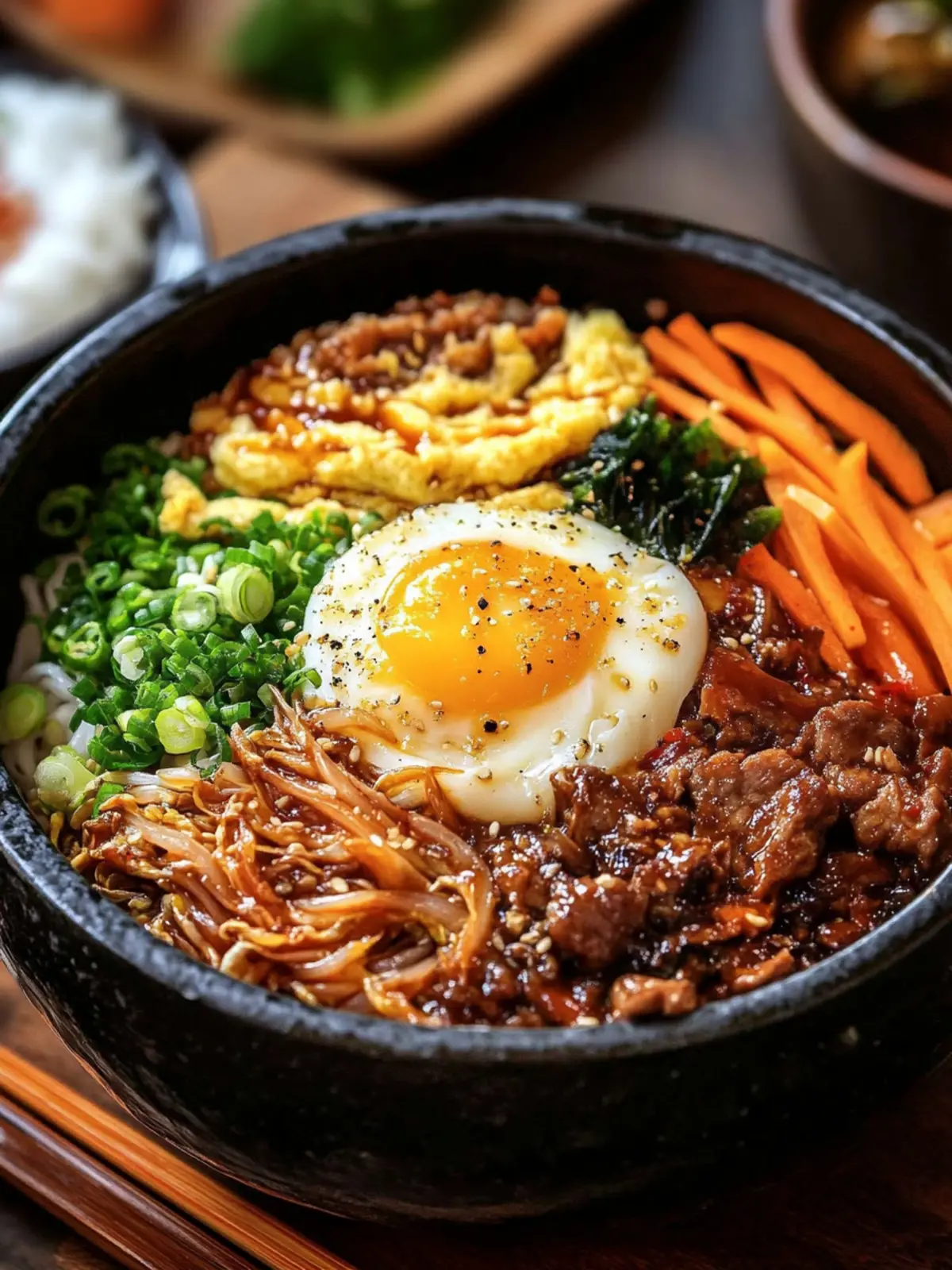
Gyu Kaku Sukiyaki Bibimbap: Quick Comfort in 25 Minutes
Ingredients
Equipment
Method
- Rinse the short-grain rice under cold water until it runs clear.
- Place the rinsed rice in a rice cooker or pot with 2.5 cups of water. Cook until tender, about 18-20 minutes.
- In a saucepan, combine soy sauce, mirin, brown sugar, and sake. Bring to a gentle simmer for 5 minutes.
- Julienne the carrot, and thinly slice the onion and shiitake mushrooms. Freeze the beef for about 20 minutes beforehand and cut thinly against the grain.
- Melt the unsalted butter in a large skillet over medium-high heat. Add the sliced onion and sauté until golden and soft, approximately 4 minutes.
- Layer the beef slices in the skillet and cook for about 1 minute on each side.
- Pour the prepared sukiyaki sauce over the beef, scraping up any browned bits from the pan. Add the shiitake mushrooms and simmer for 2 minutes, then mix in the julienned carrot and cook until tender-crisp, around 2 more minutes.
- Stir in the remaining butter until the sauce is glossy and well combined.
- Spoon the cooked rice into bowls, generously top with the beef and vegetables, add a sunny-side-up egg on top, and sprinkle with sesame seeds to serve.
- Optional: Drizzle more toasted sesame oil before serving.