
If you’ve ever ventured into a bustling Korean restaurant and followed your nose to the vibrant, savory scent of Korean Black Bean Noodles, you know how irresistible they can be. The first time I tasted jajangmyeon, I was amazed at how such a simple dish could be bursting with flavor and comfort. Imagine thick, chewy noodles coated in a rich, glossy black bean sauce, mingling with tender vegetables and succulent pork—it’s pure, soul-satisfying bliss.
As summer rolls in and the evenings beckon for something new, this dish strikes the perfect balance between heartiness and freshness. It’s a fun delight to serve at gatherings or to whip up for a cozy night in. What makes this recipe even better? It’s surprisingly easy to recreate at home! With minimal prep time and a mere 30 minutes of cooking, you’ll quickly find that this delightful dish is a worthy alternative to the dreary cycle of fast food. Let’s dive in, and I’ll guide you step-by-step to create your very own bowl of jajangmyeon that will have everyone asking for seconds!
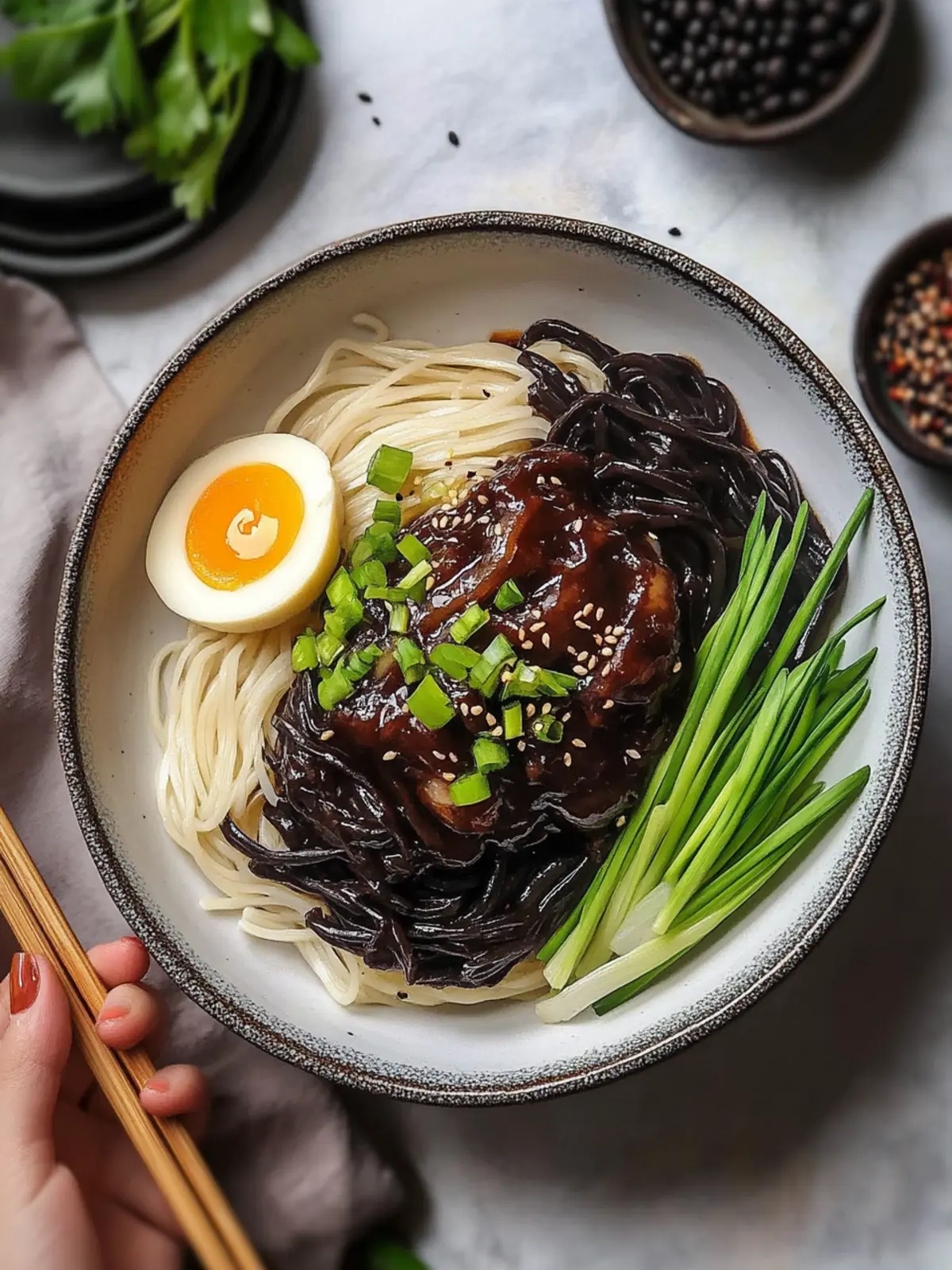
Why are Korean Black Bean Noodles so loved?
Bold flavors: The rich, savory black bean paste delivers exciting taste you won’t forget.
Quick and easy: Whip this up in just 40 minutes, perfect for busy weeknights!
Customization options: Feel free to swap in your favorite veggies or proteins for a personalized touch.
Crowd-pleaser: Jajangmyeon is always a hit for family gatherings or cozy dinners with friends.
Comfort food magic: Thick, chewy noodles coated in silky sauce offer that comforting bite we crave.
Ready to elevate your homemade meals? Check out my tips on cooking techniques for an even better experience in the kitchen!
Korean Black Bean Noodles Ingredients
For the Sauce
• Korean black-bean paste – this is the backbone of your sauce, contributing the deep, savory flavor that’s essential for delicious Korean Black Bean Noodles.
• Minced garlic – adds a fragrant touch, elevating the overall taste of the dish.
• Sesame oil – imparts a nutty aroma that complements the black bean paste perfectly.
• Brown sugar – balances the savory flavors, giving a hint of sweetness to the sauce.
• Lukewarm water – helps bring all the ingredients together, creating a smooth and cohesive sauce.
For the Vegetables
• Potatoes – diced small, they soften nicely and add a heartiness to the dish.
• Carrots – provide a pop of color and sweetness that brightens up the overall flavor.
• Zucchini – offers a lovely texture and absorbs the flavors of the sauce beautifully.
• Onion – diced for sweetness, it caramelizes during cooking, enhancing the sauce’s depth.
For the Meat
• Pork loin – diced into bite-sized pieces, it’s tender and flavorful, making it a great addition to your noodles.
For Cooking
• Vegetable oil – used for stir-frying, it has a high smoke point and does a fantastic job of sautéing the ingredients.
• Cornstarch – when mixed with cold water, it creates a thickener for the sauce, ensuring it clings to the noodles beautifully.
• Cold water – used to create a slurry with cornstarch to thicken the sauce.
• Thick flat noodles (udon, buckwheat, or linguine) – choose your favorite for that perfect chewy texture that makes every bite satisfying.
For Garnish
• White or rice wine vinegar – a splash gives brightness and cuts through the richness of the savory sauce.
How to Make Korean Black Bean Noodles
-
Heat the oil: In a skillet, add vegetable oil and warm it over medium heat. Once hot, toss in the diced pork and potatoes, cooking for about three minutes until they start to brown slightly.
-
Add veggies: Next, include the diced zucchini and onions, sautéing for another three minutes. This step brings out their flavors and softens their textures.
-
Mix the sauce: In a bowl, combine the Korean black-bean paste, brown sugar, sesame oil, and minced garlic. Stir until it’s well blended, then add this mixture to the skillet, cooking for about four minutes.
-
Simmer: Pour in the lukewarm water and toss in the diced carrots. Turn up the heat until the mixture reaches a boil, then reduce the heat and let it simmer gently.
-
Thicken the sauce: While the sauce simmers, mix the cornstarch with cold water in a small bowl. Pour this slurry into the skillet, stirring until the sauce thickens, which should take just a few minutes.
-
Finish cooking: Continue to simmer everything for about 15 minutes. You’ll know it’s ready when the vegetables and meat are tender and flavors meld beautifully.
-
Cook the noodles: In a separate large pot, bring water to a boil and cook your chosen thick flat noodles according to the package directions. They should be tender with a nice chewy texture.
-
Combine: Once the noodles are done, drain them and place them in a large bowl. Pour the black bean sauce over the noodles, thoroughly mixing everything together for an even coating.
-
Garnish and serve: Top your Korean Black Bean Noodles with sliced raw onions, fresh cilantro, julienned cucumbers, and finish with a splash of white or rice wine vinegar for a zesty touch.
Optional: For an extra kick, sprinkle some sesame seeds before serving.
Exact quantities are listed in the recipe card below.
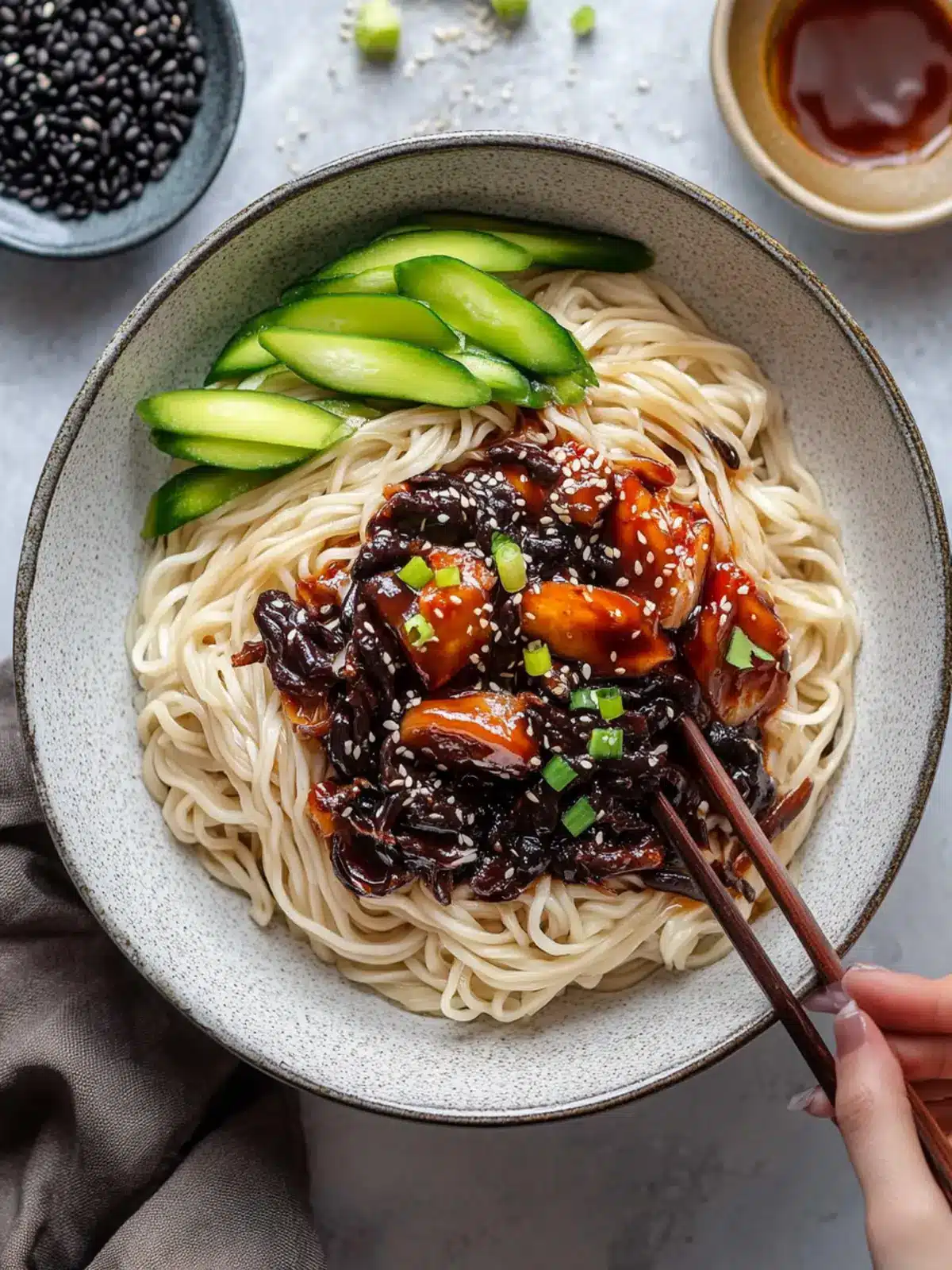
Make Ahead Options
These Korean Black Bean Noodles are perfect for making ahead, saving you valuable time on busy weeknights! You can prepare the black bean sauce (without the noodles) up to 3 days in advance; simply store it in an airtight container in the refrigerator to maintain its rich flavors. Additionally, you can chop the vegetables—potatoes, zucchini, carrots, and onions—24 hours ahead to streamline your cooking process. When ready to serve, just reheat the sauce in a skillet, cook the noodles according to package directions, and mix everything together for a delicious meal that tastes just as good as when freshly made!
How to Store and Freeze Korean Black Bean Noodles
Fridge: Store leftover Korean Black Bean Noodles in an airtight container and refrigerate for up to 3 days to maintain freshness.
Freezer: If you wish to freeze, separate the noodles from the sauce. The sauce can be stored in an airtight container for up to 2 months, while the noodles can last 1 month.
Reheating Sauce: Thaw the sauce in the refrigerator overnight, then reheat gently on the stove. Add a splash of water if it has thickened too much.
Reheating Noodles: Cook noodles fresh each time for the best texture. If freezing, quickly blanch them in boiling water before freezing, then reheat directly in the sauce when serving.
What to Serve with Korean Black Bean Noodles?
Imagine curling up with the comforting warmth of your favorite dish while savoring delightful pairings that enhance every bite.
-
Sliced Cucumbers: Crunchy, fresh cucumber slices are the perfect cool contrast to the savory noodles, adding a refreshing bite.
-
Pickled Radishes: Tangy and slightly sweet, these vibrant radishes cut through the richness of the sauce, awakening your palate.
-
Steamed Bok Choy: The tender green leaves provide a lovely texture and a subtle earthy flavor that pairs beautifully with the bold jajangmyeon.
-
Kimchi: Classic and spicy, kimchi adds a robust kick, bringing delightful heat and a depth of flavor to your meal.
-
Cold Tofu Salad: Silken tofu tossed in a light soy dressing offers creaminess while balancing the rich, savory notes of the noodles.
-
Sesame Spinach: With its nutty undertones, this bright side dish complements the earthy flavors in the black bean sauce effortlessly.
-
Asian Pear Slices: Sweet and juicy pear slices provide a refreshing sweetness that contrasts wonderfully with the hearty noodles.
-
Soju or Beer: A chilled glass of soju or an Asian lager enhances the meal, making every bite feel festive and celebratory.
Korean Black Bean Noodles Variations
Feel free to explore these tasty twists on the classic Korean Black Bean Noodles to suit your taste and dietary needs!
-
Vegetable-Packed: Add bell peppers, mushrooms, or spinach for extra nutrients and a pop of color in each bite.
-
Spicy Kick: Incorporate sliced chili peppers or a dash of chili oil for a fiery enhancement that amplifies the flavor profile.
-
Tofu Substitute: Swap the pork for cubed firm tofu for a plant-based option that absorbs the luscious sauce beautifully.
-
Gluten-Free: Use gluten-free noodles, such as rice noodles or zucchini noodles, for a delicious variation without sacrificing flavor.
-
Savory Seafood: Experiment with shrimp or sliced squid, briefly sautéing them to add an exciting seafood dimension to the dish.
-
Asian Fusion: Add a splash of soy sauce or sesame seeds for an Asian-inspired flavor boost that’ll have everyone reaching for more.
-
Creamy Delight: Stir in a tablespoon of tahini or coconut milk for a creamier sauce that complements the savory notes perfectly.
Indulge in these variations and make this beloved dish your own, capturing the spirit of home cooking one bite at a time!
Expert Tips for Korean Black Bean Noodles
Prep Your Ingredients: Before starting, chop all vegetables and meat so everything’s ready to go. This speeds up your cooking process!
Avoid Soggy Noodles: Cook your noodles until just tender, then drain and rinse in cold water to prevent them from becoming mushy in the sauce.
Quality Bean Paste: Use high-quality Korean black-bean paste for the best flavor. It’s the heart of your dish, creating that signature savory taste.
Watch the Simmer: Don’t rush the simmering process; let the sauce gently cook to meld the flavors. If it cooks too fast, the flavors may become unbalanced.
Customize Wisely: Experiment with your favorite vegetables and proteins to make this dish your own. Just remember to adjust cooking times based on what you choose.
Leftover Magic: If you have leftovers, store the sauce and noodles separately to prevent sogginess. Reheat each component for best results!
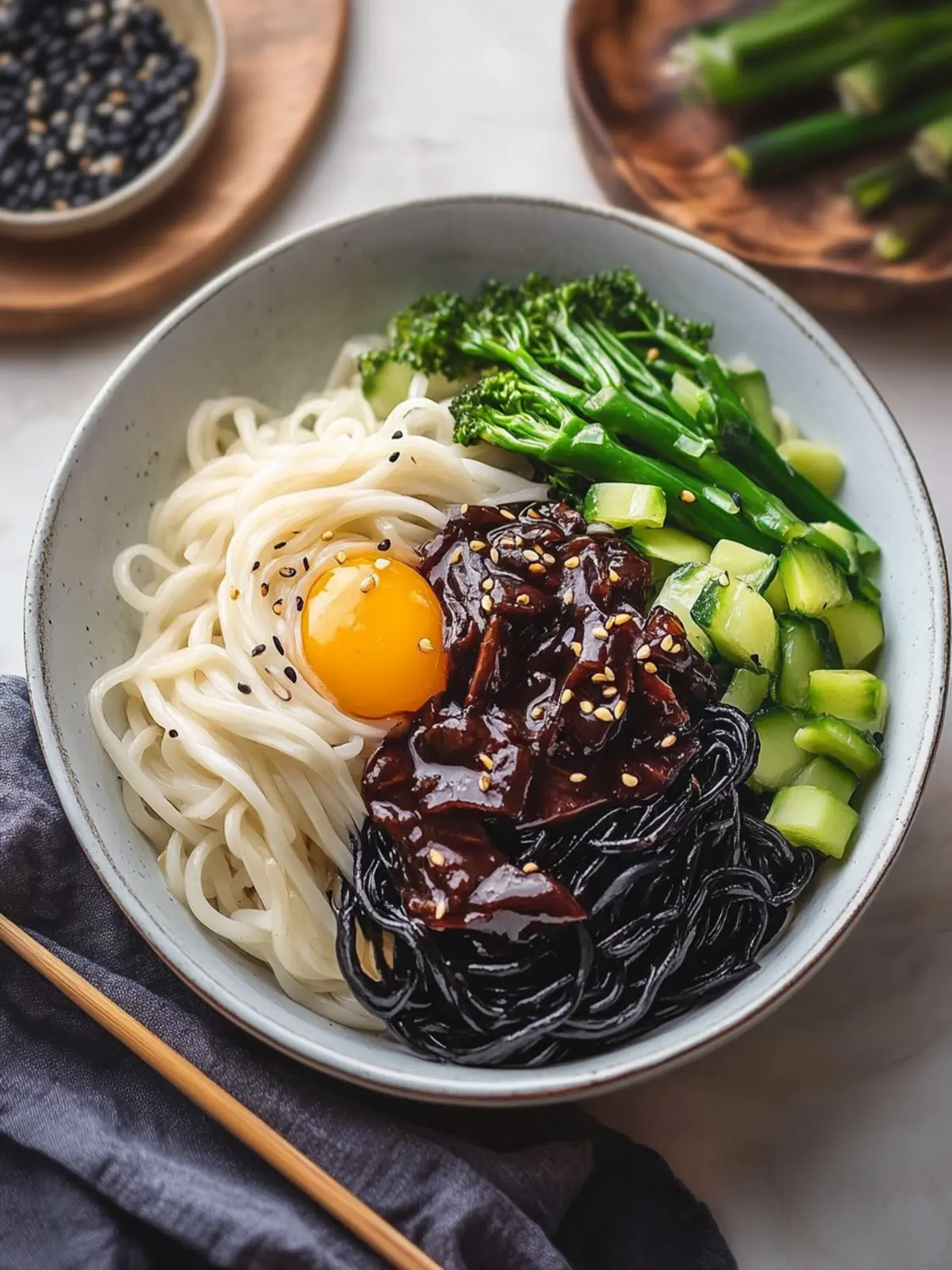
Korean Black Bean Noodles Recipe FAQs
How do I choose ripe ingredients for my Korean Black Bean Noodles?
Absolutely! For the veggies, look for firm potatoes, vibrant carrots, and fresh zucchini without dark spots. Choose onions that are firm and heavy for their size. The pork should be pink and moist without any off odors. Fresh ingredients make all the difference in flavor!
Can I store leftovers of my Korean Black Bean Noodles?
Very well! Store your leftover Korean Black Bean Noodles in an airtight container in the refrigerator for up to 3 days. To keep them fresh, ensure they’re cooled to room temperature before sealing. Reheat gently on the stove or in the microwave, adding a bit of water if necessary to loosen the sauce.
How do I freeze Korean Black Bean Noodles properly?
Definitely! Separate the noodles and sauce before freezing. Place the sauce in an airtight container and it will keep for up to 2 months. The noodles can be stored in a freezer-safe bag for about 1 month. When ready to enjoy, thaw the sauce overnight in the fridge and quickly reheat it on the stove. For the noodles, you can either cook fresh or quickly blanch before freezing. Reheat them directly in the sauce for best results.
What should I do if my sauce turns out too thick?
No worries! If your black bean sauce is too thick, just add a bit of lukewarm water or broth while reheating until it reaches your desired consistency. Stir well to mix and heat through.
Are Korean Black Bean Noodles safe for common allergies?
Always good to check! This recipe contains pork and is not suitable for vegetarians. The main allergen here is soy, often found in the Korean black-bean paste. If you’re allergic, look for soy-free alternatives or consult with a healthcare professional.
Can pets eat any of the ingredients in Korean Black Bean Noodles?
I recommend not sharing this dish with pets. Ingredients like onion and garlic can be harmful to them. Always prioritize their health, so stick to pet-safe treats instead!
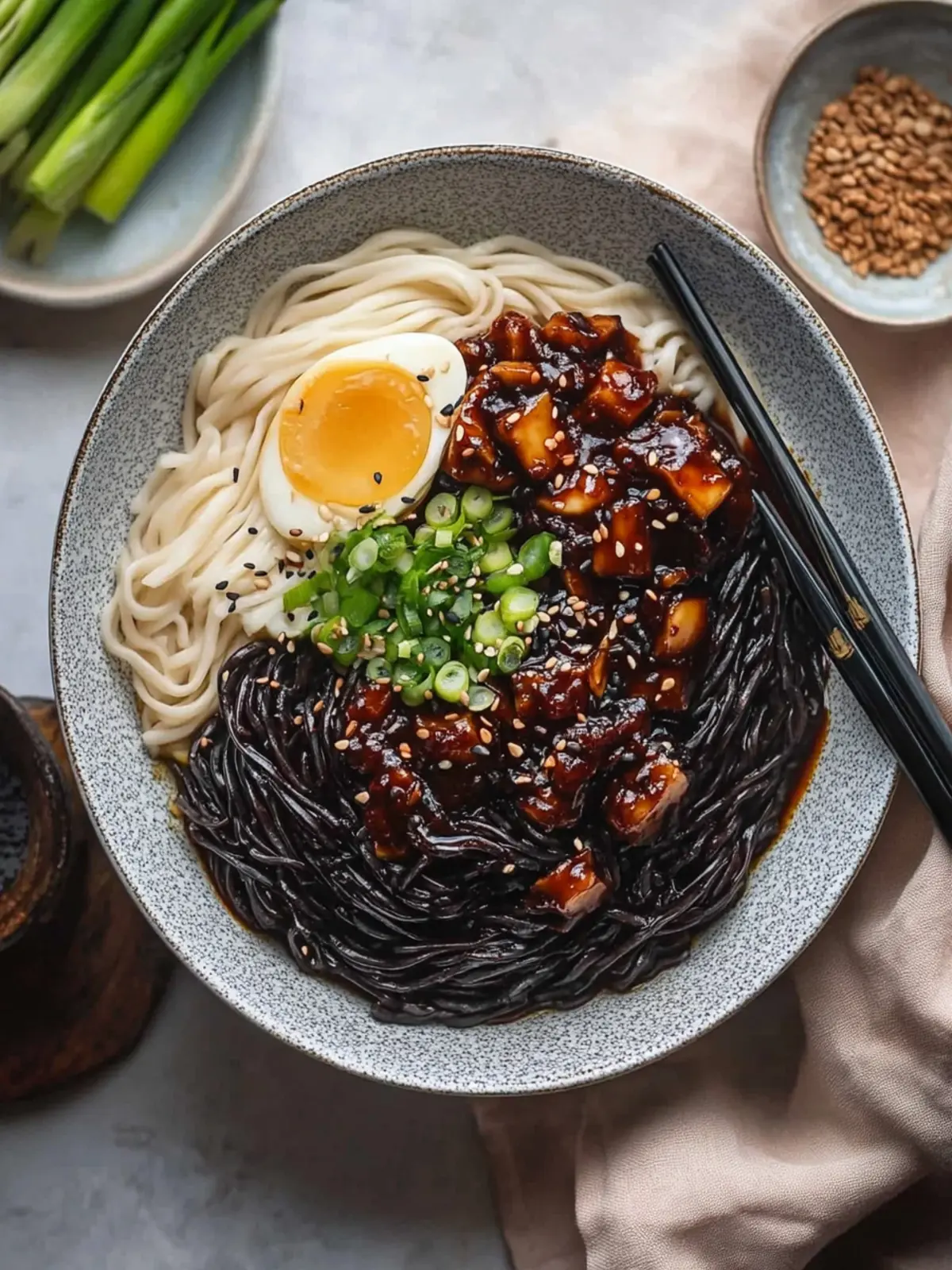
Delicious Korean Black Bean Noodles for Cozy Nights In
Ingredients
Equipment
Method
- In a skillet, add vegetable oil and warm it over medium heat. Once hot, toss in the diced pork and potatoes, cooking for about three minutes until they start to brown slightly.
- Next, include the diced zucchini and onions, sautéing for another three minutes.
- In a bowl, combine the Korean black-bean paste, brown sugar, sesame oil, and minced garlic. Stir until it's well blended, then add this mixture to the skillet, cooking for about four minutes.
- Pour in the lukewarm water and toss in the diced carrots. Turn up the heat until the mixture reaches a boil, then reduce the heat and let it simmer gently.
- Mix the cornstarch with cold water in a small bowl. Pour this slurry into the skillet, stirring until the sauce thickens.
- Continue to simmer everything for about 15 minutes until the vegetables and meat are tender.
- In a separate large pot, bring water to a boil and cook your chosen thick flat noodles according to the package directions.
- Once the noodles are done, drain them and place them in a large bowl. Pour the black bean sauce over the noodles, thoroughly mixing everything together.
- Top with sliced raw onions, fresh cilantro, julienned cucumbers, and a splash of white or rice wine vinegar.