
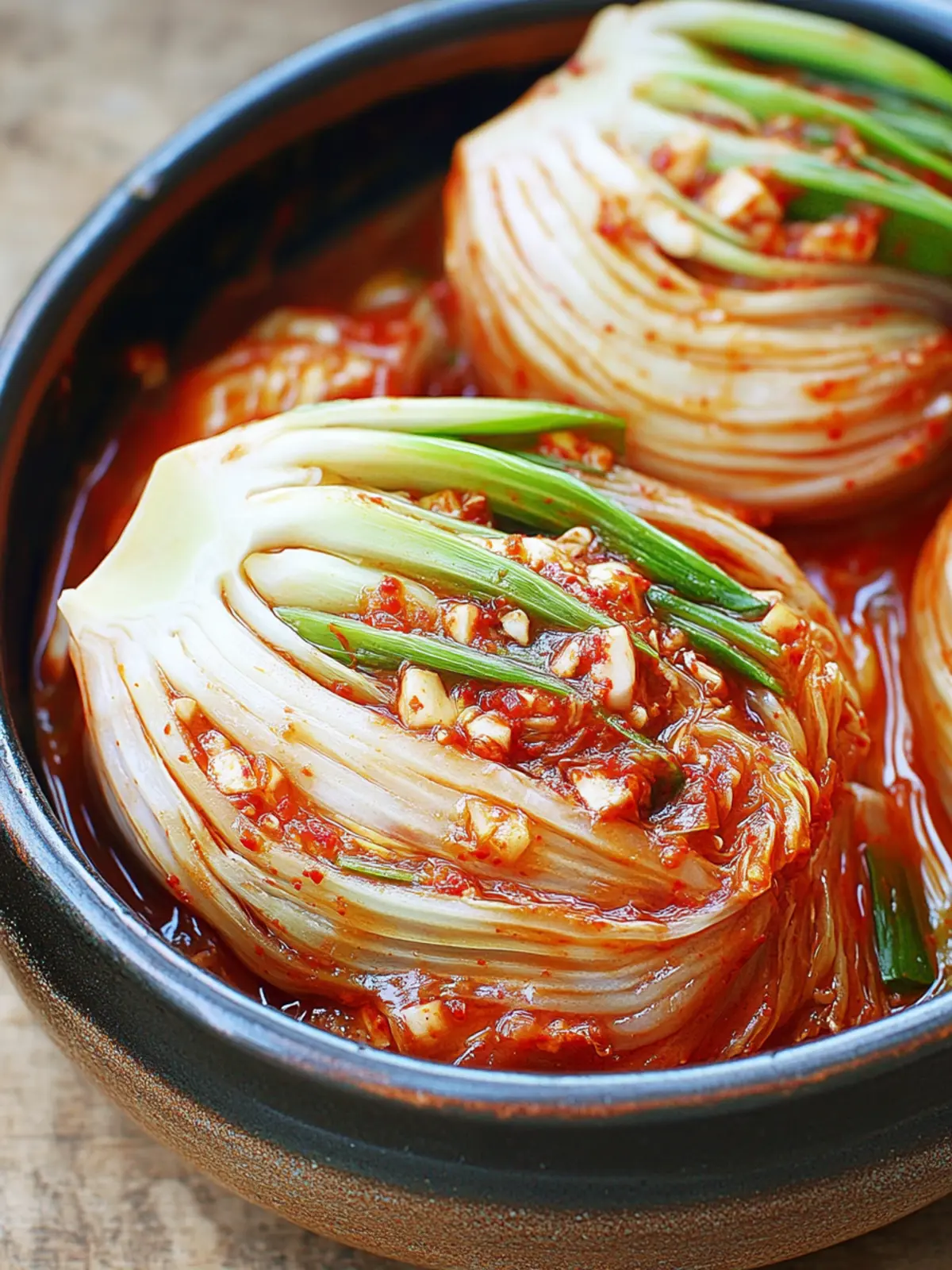
This traditional kimchi recipe brings the bold, tangy, spicy flavor of Korean pogi kimchi right into your kitchen. Made with Napa cabbage, Korean radish, scallions, garlic, ginger, gochugaru, and a simple rice paste, this homemade kimchi is crisp, flavorful, and deeply satisfying.
Kimchi may look complicated at first, but the process is much easier than many people expect. The cabbage is salted until tender, coated with a vibrant seasoning paste, packed into a jar, and left to ferment until it develops that signature sour-spicy flavor. With a little patience, this traditional kimchi recipe gives you a delicious side dish that can brighten rice bowls, soups, noodles, grilled meats, fried rice, sandwiches, and more.
If you have been searching for an easy, authentic-style traditional kimchi recipe, this version is a great place to start. It keeps the classic flavor while using clear, beginner-friendly steps.
What Makes This Kimchi Special
This traditional kimchi recipe is full of flavor because every ingredient has a purpose. Napa cabbage gives the kimchi its crisp texture. Korean coarse sea salt helps draw out moisture and prepares the cabbage for fermentation. Gochugaru adds heat, color, and smoky sweetness. Garlic and ginger bring the bold aroma that makes homemade kimchi irresistible.
The seasoning paste also includes Korean radish and scallions for crunch and freshness. Optional ingredients like Korean pear, dasima broth, fermented shrimp, fish sauce, or raw shrimp can add extra depth, but the recipe can still be adjusted for different tastes.
Another reason this traditional kimchi recipe works so well is the fermentation. After the seasoned cabbage rests at room temperature, the flavors become tangier, deeper, and more balanced. The result is homemade kimchi that tastes fresh at first, then grows more complex as it sits in the refrigerator.
Traditional Kimchi Recipe Ingredients
For the Kimchi Base
1 large Napa cabbage
Napa cabbage is the heart of this traditional kimchi recipe. Its tender leaves and thick white stems absorb the seasoning while keeping a satisfying crunch.
1/2 cup Korean coarse sea salt
Use coarse Korean sea salt if possible. It salts the cabbage evenly and helps preserve texture.
5 cups water
Water is used to make the brine that softens the cabbage and starts the kimchi-making process.
For the Seasoning
1 cup Korean radish, sliced into matchsticks
Korean radish adds crunch, freshness, and a light sweetness.
1 medium Korean pear, optional
Pear adds a gentle natural sweetness that balances the spice.
1/2 cup scallions, cut diagonally
Scallions add mild onion flavor and color.
1 piece dasima, optional
Dasima, or dried kelp, creates a light broth that adds savory depth.
1 cup glutinous rice flour paste
The rice paste helps the seasoning cling to the cabbage leaves.
1 cup gochugaru, adjusted to taste
Gochugaru gives this traditional kimchi recipe its beautiful red color and signature Korean chili flavor.
2 tablespoons saeujeot, optional
Salted fermented shrimp adds classic savory flavor.
2 teaspoons myulchiaekjeot, optional
Fish sauce deepens the umami flavor.
1/2 cup raw shrimp, optional
Raw shrimp can add more seafood richness during fermentation.
6 cloves minced garlic
Garlic is essential for bold kimchi flavor.
1 tablespoon grated ginger
Ginger adds warmth and brightness.
1/2 cup water or dasima broth
Use this to loosen the seasoning paste and help coat the cabbage evenly.
How to Make This Traditional Kimchi Recipe
Step 1: Cut the Napa Cabbage
Slice the thick white stem of the Napa cabbage in half lengthwise. Then divide each half into quarters without completely cutting through the leaves. Keeping the leaves attached near the base makes the cabbage easier to season later.
This step is important because pogi kimchi is usually made with cabbage quarters rather than fully chopped cabbage. That classic shape helps this traditional kimchi recipe feel more authentic.
Step 2: Make the Salt Brine
Dissolve 1/2 cup Korean coarse sea salt in 5 cups of water. Dip each cabbage quarter into the brine so the leaves are fully moistened. Transfer the cabbage to a large bowl or container.
Sprinkle extra salt between the thicker white leaves, where the cabbage needs the most help softening. Pour the remaining brine over the cabbage.
Step 3: Salt the Cabbage
Let the cabbage rest for 6 to 8 hours. Every 2 to 3 hours, rotate the cabbage pieces so they salt evenly. The cabbage is ready when the thick white stems bend without snapping.
Do not rush this step. Proper salting gives this traditional kimchi recipe the right texture. If the cabbage is not salted long enough, the kimchi may taste watery or uneven. If it is salted too long, it may become overly salty.
Step 4: Rinse and Drain
Rinse the cabbage three times under clean water to remove excess salt. Gently rinse between the leaves. After rinsing, drain the cabbage well with the cut side facing down.
Taste a small piece of the thick stem. It should taste pleasantly seasoned, not painfully salty. This balance is key for a good traditional kimchi recipe.
Step 5: Make the Dasima Broth
While the cabbage is salting, place a small piece of dasima in 1 1/2 cups of water. Boil for about 5 minutes, then remove the kelp and let the broth cool.
Dasima broth is optional, but it gives the seasoning a deeper savory flavor. You can use plain water instead if needed.
Step 6: Prepare the Rice Paste
Mix glutinous rice flour with 1/2 cup water or cooled dasima broth. Simmer over low heat, stirring often, until it thickens into a light paste. Let it cool completely before adding it to the seasoning.
The rice paste helps this traditional kimchi recipe develop a smooth, clingy seasoning that coats every cabbage leaf.
Step 7: Mix the Kimchi Seasoning
In a large bowl, combine the cooled rice paste, gochugaru, minced garlic, grated ginger, saeujeot, fish sauce, and 1/2 cup water or dasima broth. Stir until the gochugaru begins to soften and the mixture turns into a thick red paste.
If you want a milder traditional kimchi recipe, start with less gochugaru. For spicier kimchi, use the full amount or add a little more.
Step 8: Add Radish, Pear, and Scallions
Slice the Korean radish and optional pear into thin matchsticks. Add them to the seasoning paste with the scallions. Mix well until the vegetables are evenly coated. Let the mixture rest for about 30 minutes so the flavors can blend.
This seasoned radish mixture adds crunch, sweetness, and freshness to the finished kimchi.
Step 9: Season the Cabbage Leaves
Take one cabbage quarter at a time and spread the seasoning mixture between each leaf. Focus especially on the thicker white parts because they need more flavor.
Be generous but balanced. Every layer should be coated, but the cabbage should not be buried in paste. This is where the traditional kimchi recipe really comes together.
Step 10: Pack the Kimchi
Fold the leafy part of each cabbage quarter toward the stem, then wrap it with the outer leaf to hold it together. Place the cabbage cut side up in a clean airtight jar or fermentation container.
Press down gently to remove air pockets, but do not crush the cabbage. Leave some space at the top because the kimchi may release liquid and expand during fermentation.
Step 11: Ferment the Kimchi
Seal the jar and let the kimchi sit at room temperature for 1 to 2 days. Warmer rooms ferment kimchi faster, while cooler rooms slow the process.
After a day, open the jar carefully and press the cabbage down so it stays under the brine. Taste a small piece. When it has the tangy flavor you like, transfer the jar to the refrigerator.
This traditional kimchi recipe will continue to ferment slowly in the fridge, becoming more sour and flavorful over time.
How Long Does Homemade Kimchi Last?
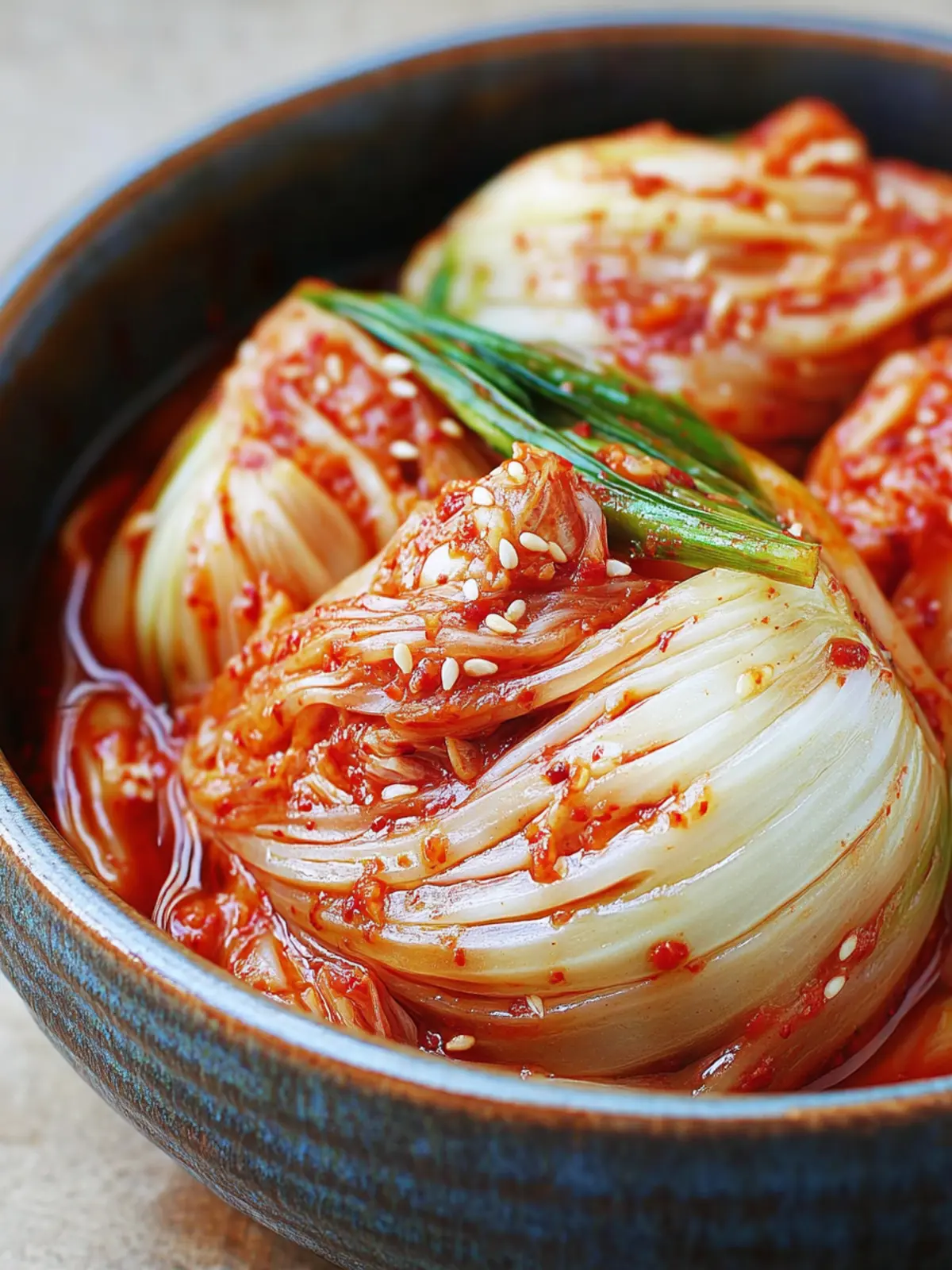
Stored in an airtight container in the refrigerator, this traditional kimchi recipe can last for up to 3 months. The flavor will change as it ferments. Fresh kimchi tastes crisp and spicy, while older kimchi becomes tangier and more intense.
Use younger kimchi as a side dish with rice, noodles, or grilled foods. Use older kimchi in cooked dishes like kimchi fried rice, kimchi stew, pancakes, or ramen.
Tips for the Best Traditional Kimchi Recipe
Use fresh Napa cabbage with firm stems and bright leaves. Fresh cabbage gives the best crunch.
Do not skip the salting time. Salting softens the cabbage, removes excess water, and helps the seasoning absorb.
Rinse carefully after salting. Too much leftover salt can overpower the final flavor.
Let the rice paste cool before mixing it with the gochugaru and vegetables. Hot paste can affect the texture of the seasoning.
Pack the kimchi tightly but leave room at the top of the jar. Fermentation creates bubbles and liquid.
Taste as it ferments. This traditional kimchi recipe can be enjoyed fresh, lightly fermented, or deeply sour depending on your preference.
Traditional Kimchi Recipe Variations
For a vegetarian version, skip the fermented shrimp, fish sauce, and raw shrimp. Use soy sauce, tamari, or extra dasima broth for savory flavor.
For a sweeter flavor, add Korean pear, apple, or a small amount of sugar.
For extra crunch, add more radish, carrot, or cucumber.
For a stronger garlic flavor, add one or two more cloves of garlic.
For a spicier traditional kimchi recipe, increase the gochugaru gradually until it reaches your preferred heat level.
What to Serve with Traditional Kimchi
This traditional kimchi recipe pairs beautifully with steamed white rice, Korean tofu stew, grilled pork belly, beef bulgogi, ramen, fried eggs, rice bowls, and savory pancakes.
You can also chop the kimchi and add it to fried rice, noodle bowls, dumplings, sandwiches, tacos, or soups. The spicy, tangy flavor works well with rich, savory, and mild foods.
Frequently Asked Questions
Is this traditional kimchi recipe spicy?
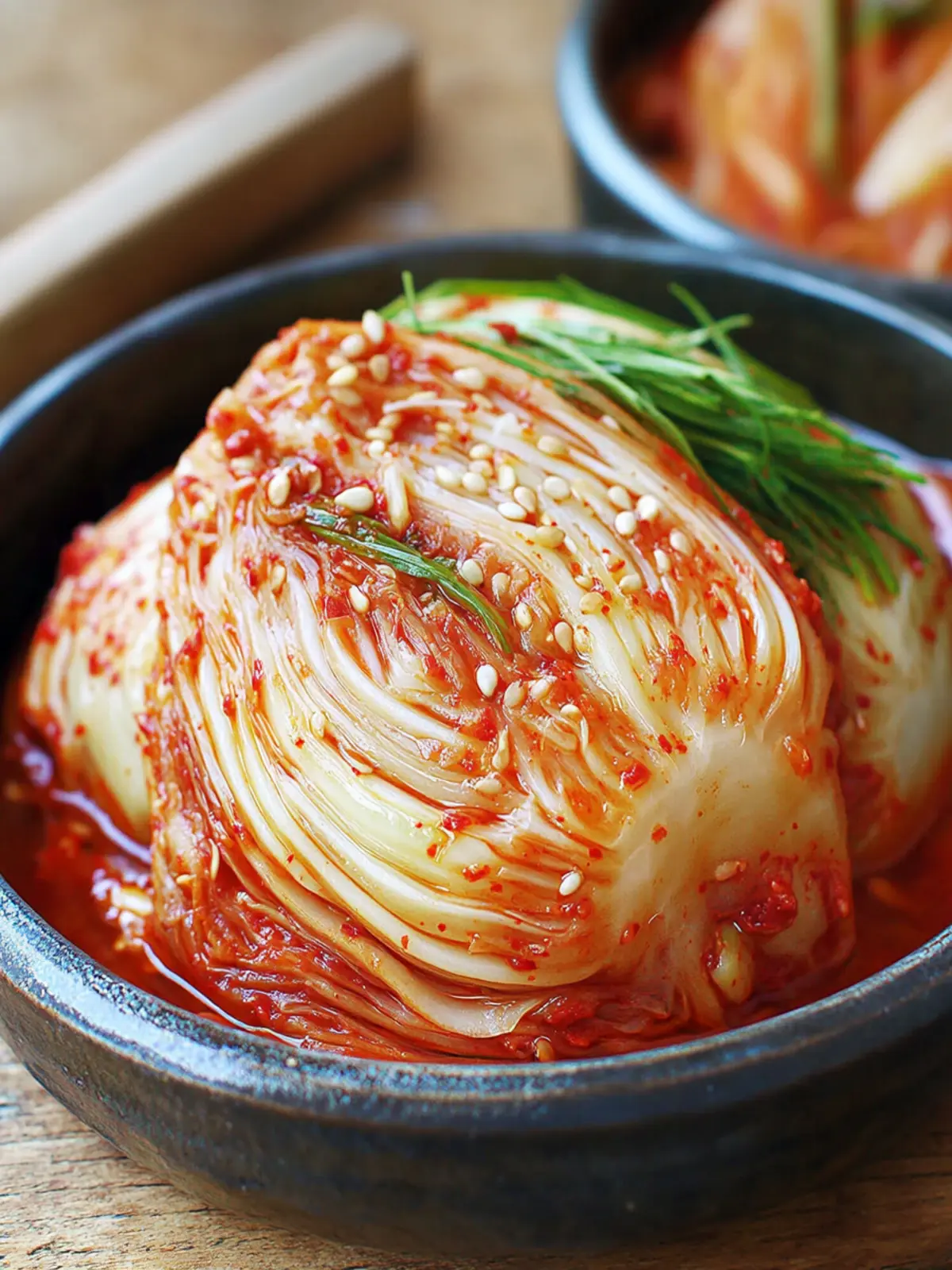
Yes, it has a medium spicy flavor from gochugaru. You can reduce the amount of gochugaru for a milder version or add more if you prefer extra heat.
Can I make this kimchi vegetarian?
Yes. To make this traditional kimchi recipe vegetarian, omit the saeujeot, fish sauce, and raw shrimp. Use dasima broth, soy sauce, or tamari to add savory depth.
How do I know when kimchi is fermented?
Kimchi is fermented when it tastes tangy and slightly sour. You may also notice bubbles in the jar and more liquid around the cabbage.
Can I eat kimchi right away?
Yes. Fresh kimchi can be eaten immediately after seasoning, but this traditional kimchi recipe tastes more developed after 1 to 2 days of fermentation.
Why is my kimchi too salty?
The cabbage may have been salted too long or not rinsed enough. Rinse the cabbage well after salting, and always taste a stem before adding the seasoning.
Can I freeze kimchi?
You can freeze kimchi, but the texture may become softer after thawing. Frozen kimchi is best used in cooked dishes like stews, fried rice, and soups.
Final Thoughts
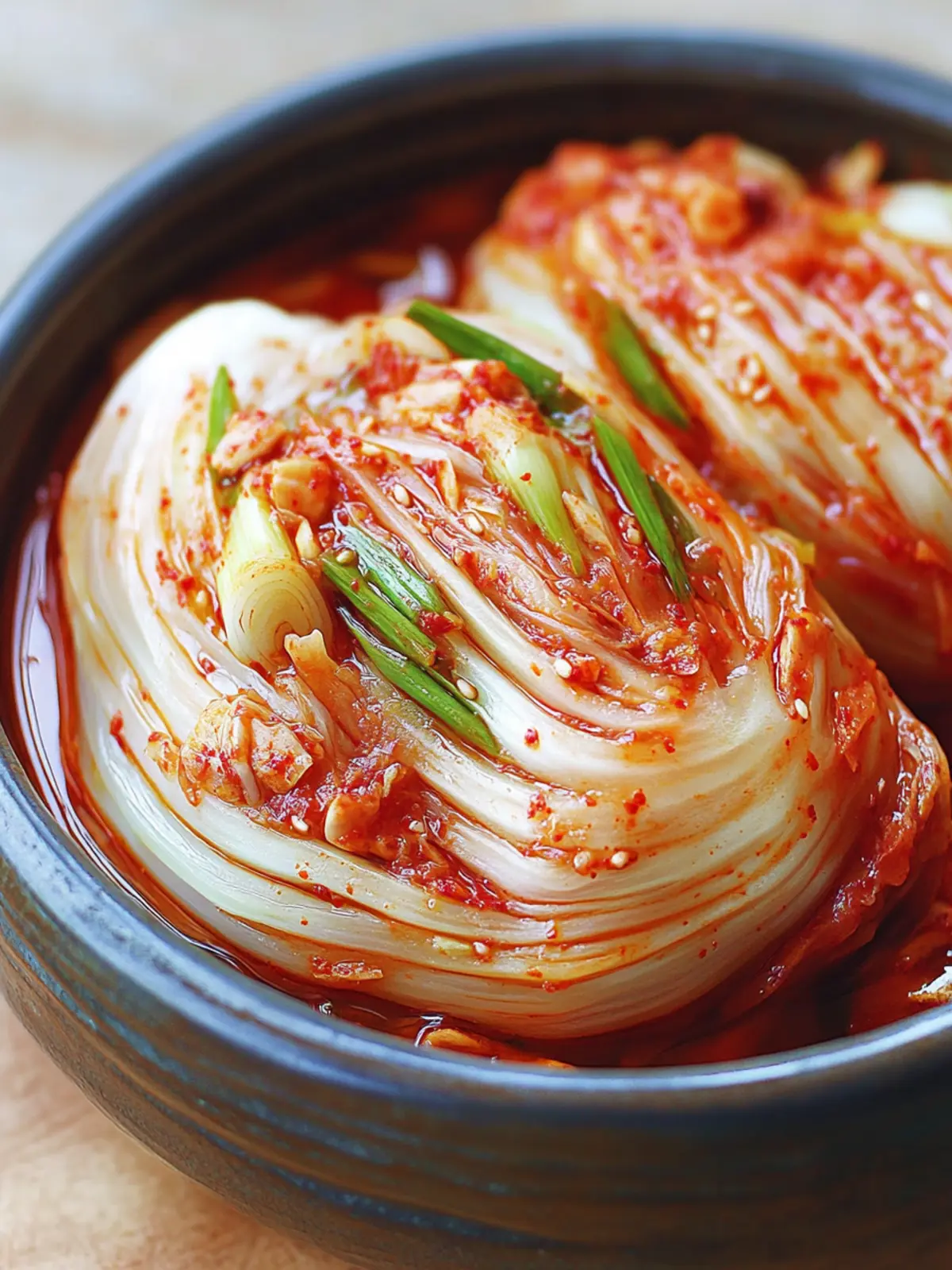
This traditional kimchi recipe is a flavorful way to make homemade Korean pogi kimchi with simple ingredients and clear steps. Salted Napa cabbage, crunchy radish, aromatic garlic, fresh ginger, and spicy gochugaru come together to create a bold fermented side dish that gets better with time.
Whether you enjoy it fresh, lightly fermented, or deeply sour, this traditional kimchi recipe makes a delicious addition to everyday meals and pairs beautifully with many Appetizers. Keep a jar in the fridge, and you’ll always have a tangy, probiotic-rich side ready to serve.
Easy Traditional Kimchi Recipe: Homemade Korean Pogi Kimchi
Ingredients
- 1 large Napa cabbage
- 1/2 cup Korean coarse sea salt
- 5 cups Water
- 1 cup Korean radish sliced into matchsticks
- 1 medium Korean pear optional
- 1/2 cup scallions diagonally cut
- 1 piece Dasima (dried kelp) optional
- 1 cup glutinous rice flour
- 1 cup Gochugaru adjust amount based on spice preference
- 2 tablespoons Saeujeot salted and fermented shrimp, optional
- 2 tablespoons Myulchiaekjeot fish sauce, optional
- 1/2 cup Raw shrimps optional
- 6 cloves minced garlic
- 1 tablespoon grated ginger
- 1/2 cup water or dasima broth for mixing
Method
- Slice the thick white part of the Napa cabbage in half lengthwise, then divide each half into quarters without completely severing the leaves.
- Dissolve 1/2 cup of Korean coarse sea salt in 5 cups of water to create a brine for the cabbage.
- Generously sprinkle salt over each thick leaf of the cabbage quarters and let them rest for 6-8 hours, turning them every 2-3 hours.
- Rinse the cabbages three times to remove excess salt and drain well.
- While the cabbage is soaking, boil a small piece of dasima in 1.5 cups of water for about 5 minutes to create dasima broth.
- Mix glutinous rice flour with 1/2 cup of water or dasima broth and simmer until it thickens into a paste. Allow it to cool.
- Combine garlic, ginger, and saeujeot in a bowl with the cooled rice paste and about 1/2 cup of water until well mixed.
- Slice Korean radish and optional pear into matchsticks. Combine with scallions and pour seasoning mix over the vegetables. Mix well and let sit for 30 minutes.
- Remove the tough stem from each cabbage quarter and stuff them with the vegetable mixture, spreading the seasoning mix over every leaf.
- Wrap the cabbage securely and place it in a jar or airtight container cut side up, pressing down gently to remove air pockets.
- If you have extra seasoning, mix it with 1/2 cup of water and pour over the kimchi in the container. Seal tightly and let ferment at room temperature for 1-2 days.