
There’s something truly delightful about the vibrant colors and textures of a well-prepared stir-fry. When I first discovered the joy of preparing Vegan Yaki Udon, it felt like unlocking a treasure trove of flavors right in my own kitchen. Imagine the enticing aroma of sesame oil mingling with the crunch of fresh vegetables and the comforting familiarity of thick udon noodles—all coming together in a dish that’s both satisfying and utterly nourishing.
After a long day, I often find myself craving something that truly excites my taste buds without the hassle of an elaborate recipe. This Vegan Yaki Udon is my go-to solution: quick to prepare, yet bursting with flavor that rivals any take-out meal. In just 22 minutes, you can transform simple pantry staples into a vibrant dish that’s perfect for weeknight dinners or impressing guests at your next gathering. Whether you’re a dedicated home chef or someone looking to swap out fast food for something homemade, this dish is the ideal bridge to wholesome, delicious eating. Let’s dive into making this colorful bowl of goodness!
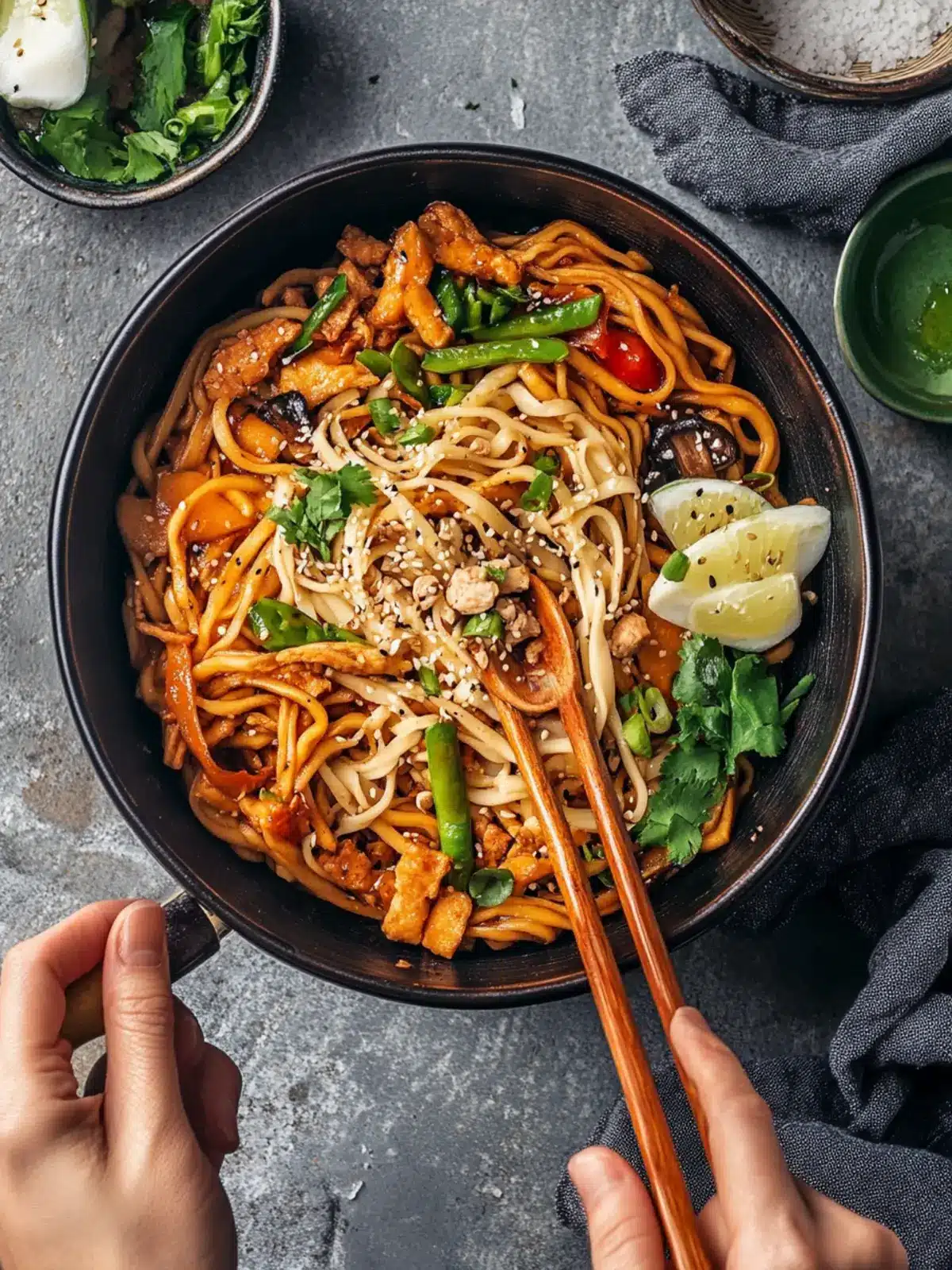
Why is Vegan Yaki Udon so irresistible?
Quick and Easy: In just 22 minutes, you can enjoy a delicious homemade meal that’s much quicker than waiting for delivery.
Vibrant Veggies: Packed with colorful vegetables like red peppers, cabbage, and snow peas, this dish is a feast for the eyes and the palate.
Flavor Explosion: The umami-rich sauces blend beautifully, creating a mouthwatering flavor profile that will keep you coming back for more.
Healthy Comfort Food: With only 334 calories per serving, this dish satisfies cravings without the guilt, making it perfect for any occasion.
Versatile Delight: Feel free to customize with your favorite veggies or add protein; this recipe adapts to your tastes, ensuring everyone enjoys it!
Crowd-Pleaser: Impress friends and family at your next gathering with this stunning dish. They won’t believe it’s vegan!
Vegan Yaki Udon Ingredients
For the Noodles
• Udon noodles – 10 ounces of these thick, chewy noodles are perfect for soaking up the delicious flavors of the sauce.
For the Vegetables
• Red pepper – 1 large, sliced into strips to add a sweet crunch and vibrant color.
• Cabbage – 1 ½ cups thinly sliced, providing a lovely texture and a hint of earthiness.
• Carrot – 1 large, julienned to introduce a hint of sweetness and beautiful orange hue.
• Snow peas – 3 ounces, these peas add snap and a fresh flavor to the dish.
For the Sauce
• Sesame oil – 1 Tablespoon, bringing a nutty aroma that enhances the dish’s overall flavor.
• Dark soy sauce – 2 Tablespoons, this rich sauce deepens the color and savory notes of the meal.
• Vegan mushroom oyster sauce – 2 Tablespoons, for a boost of umami that rivals traditional oyster sauce.
• Mirin – 1.5 Tablespoons, adding a subtle sweetness that balances the savory components.
• Dark brown sugar – ½ Tablespoon, perfect for caramelizing and enhancing the sauce’s richness.
• Gochujang (optional) – 1-2 teaspoons, this Korean chili paste provides a nice kick and depth if you’re feeling adventurous!
This Vegan Yaki Udon recipe not only combines fresh ingredients but also gives you a chance to create a delightful dinner in a flash!
How to Make Vegan Yaki Udon
-
Cook the noodles: Boil the udon noodles according to the package instructions. Fresh noodles usually take about 2 minutes, while dried noodles need around 8 minutes. Once cooked, strain and set aside.
-
Prep the veggies: While the noodles are cooking, wash and slice the red pepper, cabbage, and carrot into thin strips. This helps them cook quickly and evenly in the stir-fry.
-
Mix the sauce: In a bowl, whisk together dark soy sauce, vegan mushroom oyster sauce, mirin, brown sugar, and optional gochujang. This flavor-packed sauce will elevate your yaki udon!
-
Sauté the vegetables: Heat sesame oil in a wok over medium-high heat until shimmering. Add the peppers, carrots, cabbage, and snow peas, stirring for about 5 minutes until the veggies are vibrant and slightly charred.
-
Combine and cook: Toss the cooked udon noodles and sauce into the wok. Stir gently to coat the veggies and noodles, cooking for an additional 3-5 minutes until the sauce clings to everything beautifully.
-
Serve it up: Remove the yaki udon from heat and serve immediately. Optional: Garnish with sesame seeds or chopped green onions for an extra touch of flavor!
Exact quantities are listed in the recipe card below.
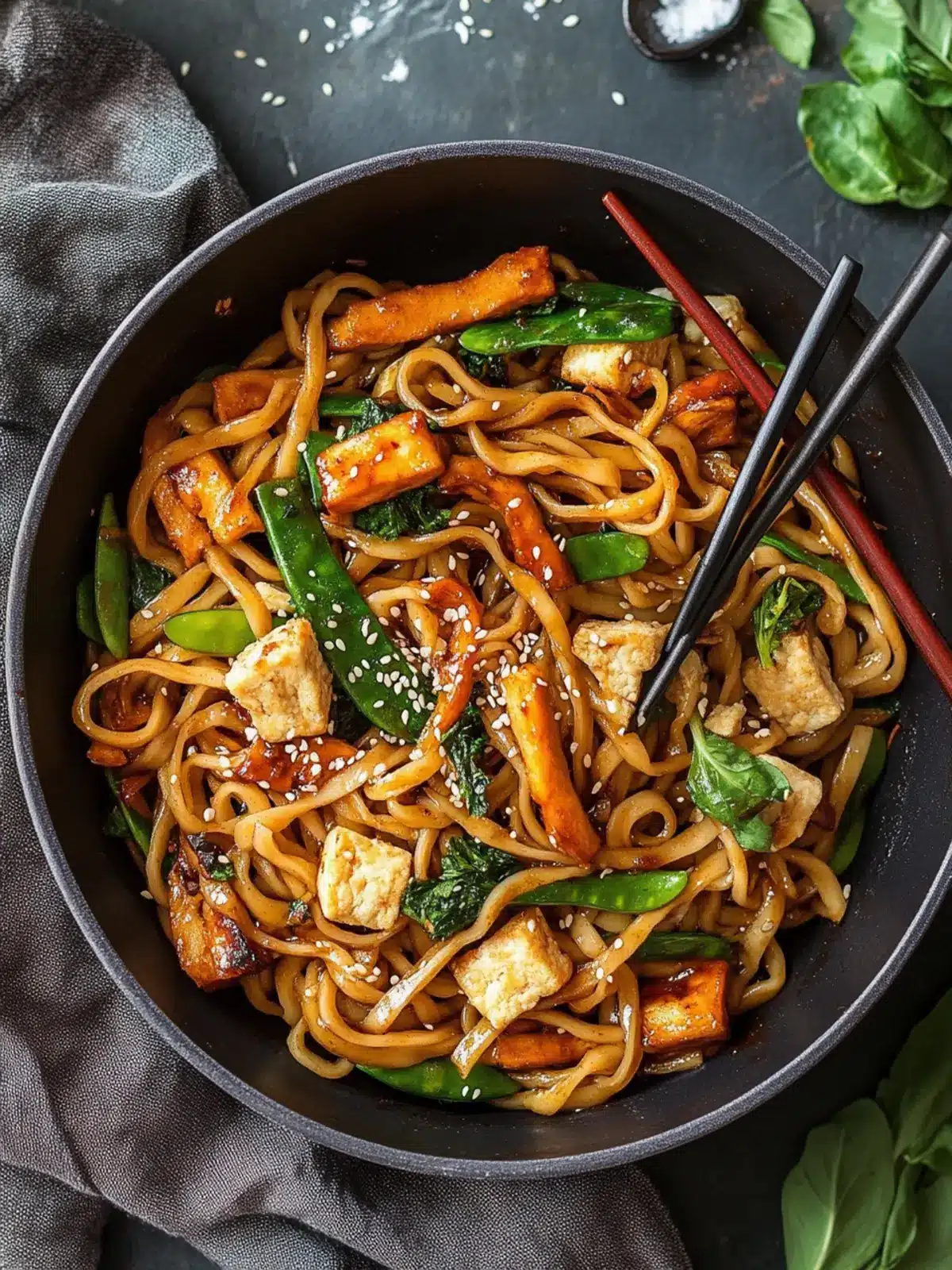
Vegan Yaki Udon Variations
Feel free to get creative with your Vegan Yaki Udon and tailor it to suit your taste preferences!
-
Gluten-Free: Substitute udon noodles with rice noodles or gluten-free pasta for a tasty alternative.
-
Protein Boost: Add tofu, tempeh, or seitan to the stir-fry for added texture and richness.
-
Spicy Kick: Mix in some sliced jalapeños or serrano peppers to amp up the heat for those who love a fiery dish.
-
Additional Veggies: Toss in broccoli, bok choy, or baby corn for a colorful mix and a nutritional boost. The more, the merrier!
-
Nutty Flavor: Sprinkle some crushed peanuts or cashews before serving for an extra crunch and a delightful nutty taste.
-
Zesty Twist: Add some lime juice or zest right before serving to bring a refreshing brightness to the dish.
-
Coconut Infusion: Swap sesame oil for coconut oil to lend a subtle sweetness and tropical flair to the stir-fry.
-
Herbaceous Touch: Finish with fresh herbs like cilantro or basil for a beautiful burst of flavor that brightens each bite.
Experimenting in the kitchen can lead you to discover delightful new flavors, so don’t hesitate to make this dish your own!
How to Store and Freeze Vegan Yaki Udon
Fridge: Store leftover Vegan Yaki Udon in an airtight container for up to 3 days. Make sure it’s cooled down to room temperature before sealing.
Freezer: For longer storage, freeze the dish in a sealed container for up to 2 months. Portion it out to make reheating easier later on.
Reheating: To reheat, simply thaw in the fridge overnight and warm in a pan over low heat, adding a splash of water or soy sauce to keep it moist.
Avoid sogginess: To maintain texture, avoid freezing if you’ve added too much sauce; it can turn the noodles mushy when thawed. Enjoy your Vegan Yaki Udon just the way you like it!
What to Serve with Vegan Yaki Udon?
When you’ve crafted a stunning plate of Vegan Yaki Udon, the next step is to elevate your meal to an unforgettable experience.
-
Crispy Tofu Nuggets: Lightly breaded and fried, these nuggets add a delightful crunch and protein that complements the tender noodles.
-
Sesame Green Beans: Sautéed with sesame oil and sprinkled with sesame seeds, these green beans offer a nutty contrast that pairs perfectly with the stir-fry.
-
Miso Soup: A warm bowl of miso soup enriches your meal, with its umami flavor enhancing the overall dining experience of your Yaki Udon.
-
Spicy Edamame: Steamed edamame tossed with sea salt and chili flakes adds a fresh and zesty crunch, making for a perfect appetizer or side.
-
Fresh Cucumber Salad: Refreshing and crisp, a vinegary cucumber salad adds a cooling contrast to the warm, savory flavors of the yaki udon.
-
Tropical Fruit Salad: To finish off your meal, serve a vibrant fruit salad with mangoes, pineapples, and berries for a sweet and energizing touch.
Each of these pairings brings an exciting new layer, transforming your Vegan Yaki Udon into a delightful culinary experience that’s full of flavor and variety!
Make Ahead Options
These Vegan Yaki Udon preparations are perfect for busy weeknights, saving you time while still keeping this dish just as delicious! You can slice the red pepper, cabbage, and carrot up to 24 hours in advance, storing the veggies in an airtight container in the refrigerator to maintain their crunch. Additionally, you may mix the sauce ingredients and refrigerate for up to 3 days to infuse those flavors. When you’re ready to enjoy your Vegan Yaki Udon, simply cook the udon noodles as directed, sauté the prepped vegetables in sesame oil for a few minutes, toss everything together, and voilà! You’ll have a satisfying homemade meal with minimal fuss!
Expert Tips for Vegan Yaki Udon
• Noodle Choice: Always use fresh udon noodles if possible; they have a superior texture and taste compared to dried varieties, making your Vegan Yaki Udon even more delightful.
• Even Veggie Cuts: Slice your vegetables uniformly to ensure they cook evenly. This prevents some pieces from becoming mushy while others remain crunchy in your stir-fry.
• Sauce Balance: Taste and adjust the sauce before pouring it into the stir-fry. This ensures the flavor is just right and personal to your palate.
• Don’t Overcrowd: If you’re making a larger batch, consider cooking in batches to avoid overcrowding the wok. This allows for proper charring of the vegetables.
• Garnish for Flair: Don’t skip the garnish! A sprinkle of sesame seeds or green onions at the end adds visual appeal and an extra burst of flavor to your Vegan Yaki Udon.
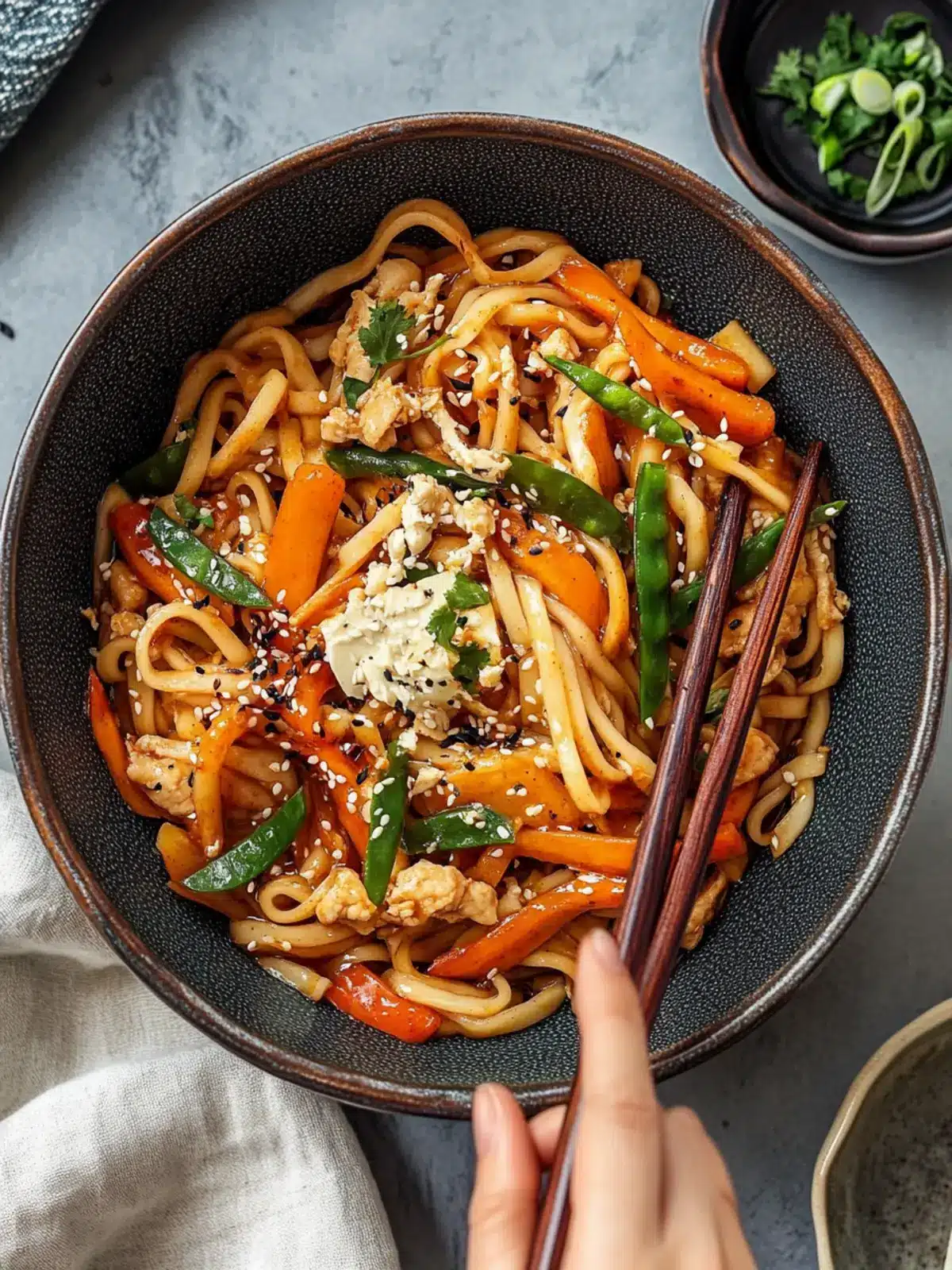
Vegan Yaki Udon Recipe FAQs
What type of udon noodles should I use?
Absolutely, I recommend using fresh udon noodles whenever possible for the best texture and flavor. Fresh noodles are typically softer and have a wonderful chewy bite that complements the veggies and sauce perfectly. If you can only find dried noodles, they work well—be sure to follow the package instructions for cooking!
How should I store leftover Vegan Yaki Udon?
For storage, place your leftover Vegan Yaki Udon in an airtight container and refrigerate it for up to 3 days. Make sure you let it cool to room temperature before sealing it to prevent excess moisture buildup. This way, you’ll preserve the flavors and prevent any sogginess.
Can I freeze Vegan Yaki Udon?
Certainly! To freeze your Vegan Yaki Udon, allow it to cool, then portion it into sealed containers or freezer bags. It will keep well in the freezer for up to 2 months. When ready to enjoy, thaw it in the fridge overnight and reheat it on the stovetop, adding a splash of water or soy sauce to keep everything moist.
What should I do if my yaki udon turns out soggy?
If your Vegan Yaki Udon has turned soggy, it’s often due to too much sauce or overcooking the noodles. To prevent this in the future, try adding the sauce gradually during cooking instead of all at once. If the dish is already soggy, try reheating in a pan over medium-low heat without additional moisture, allowing some of the excess liquid to evaporate and thicken the sauce.
Is this dish suitable for those with soy allergies?
If you have soy allergies, you can modify the recipe by using coconut aminos as a substitute for soy sauce. This alternative will provide a similar umami flavor without the allergens associated with soy. Just be sure to check the labels on all sauces to ensure they’re free from soy and other allergens.
How can I customize the veggies in my Yaki Udon?
The more the merrier! Feel free to mix in your favorite vegetables—broccoli, bell peppers, or mushrooms can be great additions. Just make sure to adjust the cooking time accordingly, as denser vegetables may require a bit longer to cook. Enjoy creating a personalized veggie medley that suits your taste!
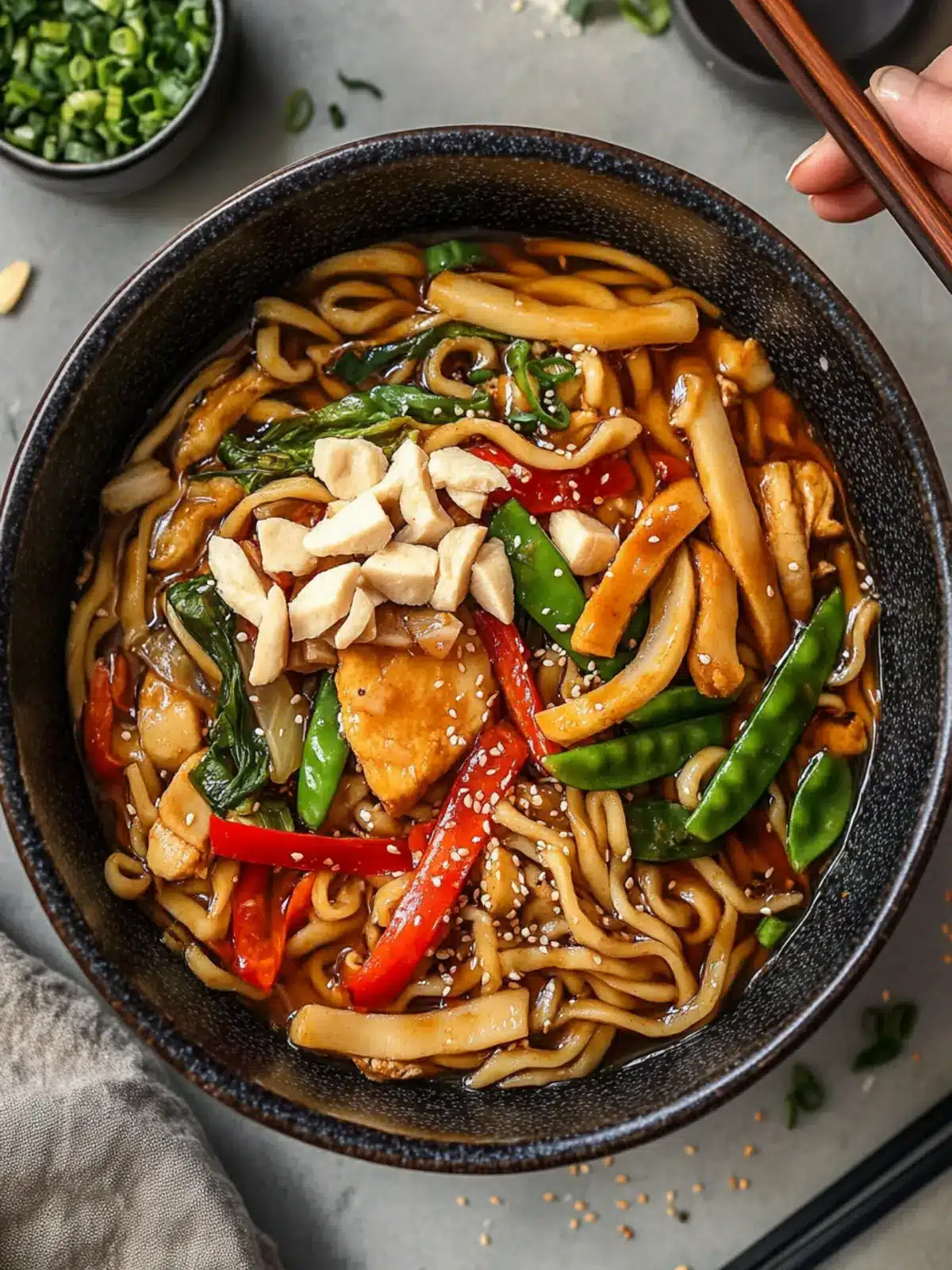
Delicious Vegan Yaki Udon in 22 Minutes or Less
Ingredients
Equipment
Method
- Boil the udon noodles according to the package instructions; fresh noodles take about 2 minutes and dried noodles need around 8 minutes. Strain and set aside.
- While the noodles are cooking, wash and slice the red pepper, cabbage, and carrot into thin strips.
- In a bowl, whisk together dark soy sauce, vegan mushroom oyster sauce, mirin, brown sugar, and optional gochujang.
- Heat sesame oil in a wok over medium-high heat until shimmering. Add the peppers, carrots, cabbage, and snow peas, stirring for about 5 minutes until vibrant and slightly charred.
- Toss the cooked udon noodles and sauce into the wok. Stir gently to coat everything, cooking for an additional 3-5 minutes.
- Remove from heat and serve immediately. Optionally, garnish with sesame seeds or chopped green onions.