There’s a certain thrill that comes with experimenting in the kitchen, and that’s exactly how I stumbled upon this delightful Korean Gochujang Cauliflower recipe. One evening, I found myself staring at a lonely head of cauliflower in my fridge, and with the vibrant spices of Korean cuisine calling my name, inspiration struck!
The sweet and spicy aroma lingers in the air as the cauliflower transforms into crispy bites of flavor packed goodness. This dish has quickly become my go-to when I crave something comforting yet exciting—perfect for a family dinner or an impressive addition to my next gathering.
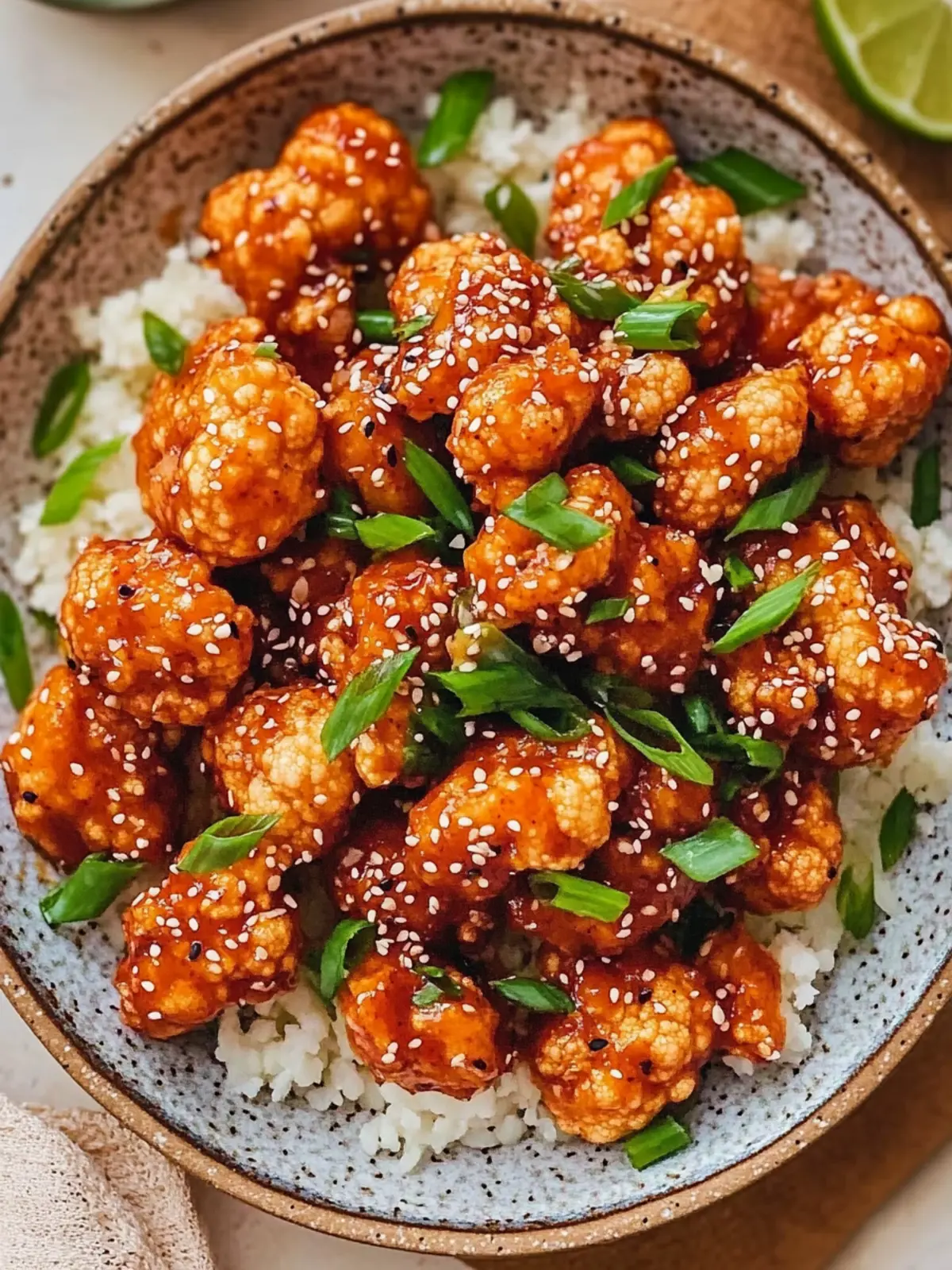
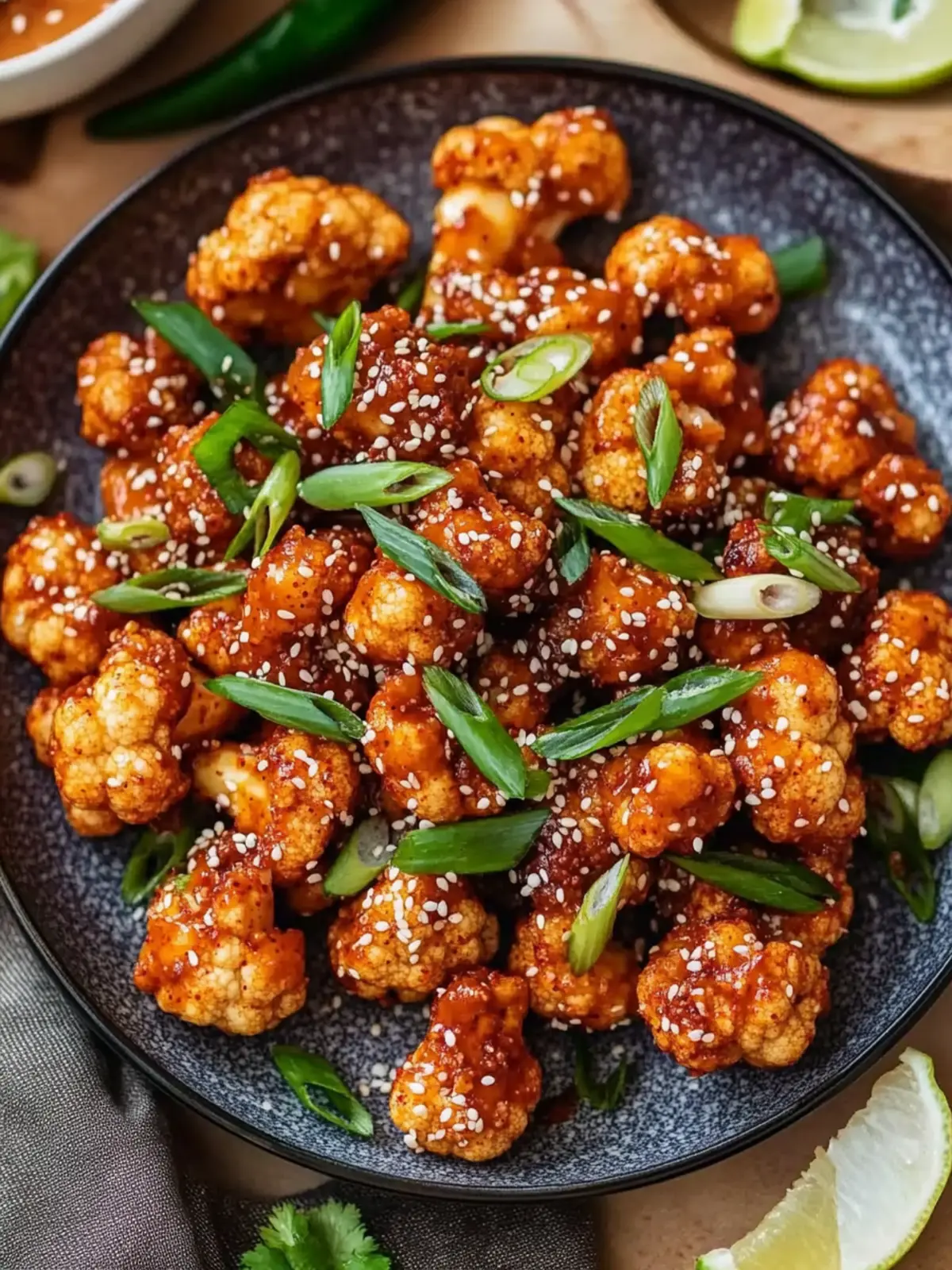
Imagine a crunchy exterior coated in a luscious, glossy sauce that hits the perfect balance between sweet and spicy. Not only is this dish easy to whip up, but it’s also a fantastic way to enjoy veggies without the usual boredom that fast food brings. Trust me, once you experience the zing of gochujang and the satisfying crunch of this cauliflower, you’ll be reaching for this recipe time and again!
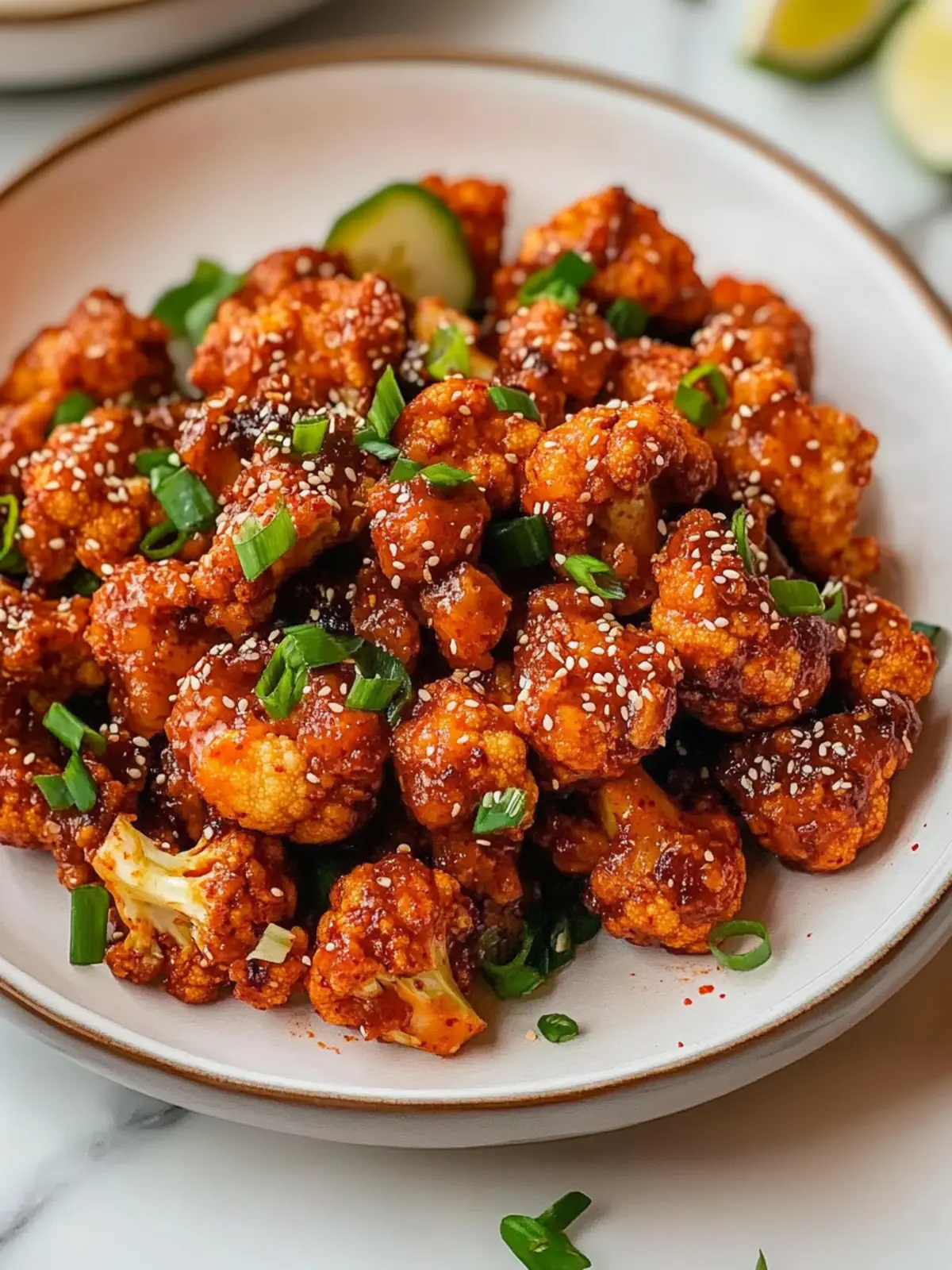
Why is Korean Gochujang Cauliflower so special?
Bold flavors collide in this dish, bringing excitement to your table!
Crispy texture meets that delightful sauce for a perfect bite.
Quick to prepare – whip it up in just 40 minutes!
Healthier twist on comfort food that doesn’t compromise on taste.
Versatile dish – perfect as an appetizer, main, or side.
Bored of fast food? This recipe will reignite your passion for home cooking!
Korean Gochujang Cauliflower Ingredients
Here’s what you’ll need to create this irresistible dish:
For the Sauce
- Gochujang – 1-2 tbsp for that signature spicy flavor.
- Room temperature water – 1/2 cup helps to balance the sauce’s thickness.
- Maple syrup – 2 tbsp adds a touch of sweetness; feel free to substitute with honey or agave syrup.
- Ketchup – 1/3 cup for a familiar flavor foundation.
- Soy sauce – 1 tbsp contributes umami depth to the sauce.
- Rice vinegar – 1 tsp enhances the sauce’s acidity; you can use white vinegar if needed.
- Minced garlic – 2 tsp brings aromatic warmth.
- Cornstarch – 1 tbsp acts as a thickening agent for the sauce.
For the Cauliflower
- Raw cauliflower florets – 1 lb for that satisfying crunch.
- Neutral oil – Enough for frying, provides a crispy texture without overwhelming flavors.
For the Breading
- All-purpose flour – 2/3 cup serves as the base for the batter.
- Cornstarch – 2 tbsp ensures an extra crispy coating.
- Baking powder – 2 tsp helps the batter puff slightly while frying.
- Salt – 1.5 tsp enhances overall flavor.
- Room temperature water – 1 cup creates the perfect batter consistency.
- Breadcrumbs – 1-2 cups for that crunchy outer layer.
For Toppings
- Sesame seeds – A sprinkle adds nutty richness and visual appeal.
- Chopped green onions – Freshness and a pop of color for garnishing.
With these ingredients in hand, you’re moments away from savoring the wonder that is Korean Gochujang Cauliflower!
How to Make Korean Gochujang Cauliflower
-
Mix the Sauce: In a bowl, combine gochujang, maple syrup, ketchup, soy sauce, rice vinegar, minced garlic, and cornstarch. Stir until smooth, adjusting to your taste preferences.
-
Prepare the Batter: In another bowl, whisk together the all-purpose flour, cornstarch, baking powder, salt, and water. Mix until the batter is smooth and thick, resembling pancake batter.
-
Set Up the Breadcrumbs: On a plate, spread out the breadcrumbs, creating a coating station for the cauliflower.
-
Coat the Cauliflower: Dip each cauliflower floret into the batter, ensuring it’s evenly coated. Transfer it to the breadcrumbs and use one hand to coat well, pressing down gently.
-
Repeat the Coating: Continue to dip and coat all the cauliflower florets until each one is fully covered in breadcrumbs. Set aside on a plate for frying.
-
Heat the Oil: In a frying pan, heat enough neutral oil over medium heat to submerge at least half of the cauliflower.
-
Test the Oil: To check if the oil is ready, drop in a few breadcrumbs; they should bubble immediately. If so, it’s time to fry.
-
Fry the Cauliflower: Carefully add the coated florets to the hot oil, cooking until golden brown, about 4-5 minutes. Gently move them around every 2 minutes for even cooking.
-
Drain the Cauliflower: Once golden, remove the cauliflower from the oil and place it on a strainer or a plate lined with paper towels to drain excess oil.
-
Heat the Sauce: Dispose of the oil from the pan and return it to medium heat. Re-mix the prepared sauce and pour it into the pan, heating until bubbling.
-
Thicken the Sauce: Simmer the sauce over medium heat, stirring constantly until it thickens, about 2 to 3 minutes.
-
Coat with Sauce: Reduce the heat and add the fried cauliflower to the pan. Stir gently to coat the cauliflower evenly with the thickened sauce.
-
Serve Immediately: For the best crunch, serve the coated cauliflower right away, ensuring it stays crispy.
-
Optional Dipping Sauce: Enjoy any remaining sauce as a delicious dip alongside the cauliflower.
-
Garnish the Dish: Top the cauliflower with sesame seeds and chopped green onions for added flavor and visual appeal.
Optional: Drizzle with a bit of sesame oil for an extra punch!
Exact quantities are listed in the recipe card below.
Make Ahead Options
These Korean Gochujang Cauliflower bites are perfect for busy weeknights and meal prep enthusiasts! You can prepare the sauce and the cauliflower batter up to 24 hours in advance, storing both in airtight containers in the refrigerator. The coated cauliflower can be prepped and refrigerated for maximum 3 days without sacrificing quality; just make sure to cover them well to prevent them from drying out. When you’re ready to serve, fry the cauliflower directly from the fridge for crispiness, and reheat the sauce until bubbly before coating the cauliflower for that delicious, sticky finish. With a little bit of prep, you’ll enjoy a flavorful home-cooked meal with minimal effort!
What to Serve with Korean Gochujang Cauliflower?
To create a meal that tantalizes the senses and leaves everyone coming back for more, consider these delightful pairings.
-
Fluffy Jasmine Rice: The gentle aroma of jasmine rice complements the bold flavors of gochujang while balancing the dish’s heat perfectly.
-
Crispy Leafy Salad: A refreshing salad of mixed greens with a zesty vinaigrette adds crunch and brightness, enhancing the overall meal experience.
-
Stir-Fried Vegetables: Colorful bell peppers, snap peas, and carrots sautéed in soy sauce bring additional texture and nutrients to your plate. These vibrant veggies are an excellent way to incorporate more greens into your dinner.
-
Korean Kimchi: This fermented side dish delivers a punchy, spicy kick that pairs wonderfully with the crispy cauliflower, enriching your meal with zesty flavors.
-
Seasoned Noodles: Stir-fried noodles tossed in sesame oil and scallions offer a delightful contrast to the crispy cauliflower while soaking up flavors from the dish.
-
Cool Cucumber Salad: A light salad with thin cucumber slices marinated in rice vinegar provides a refreshing coolness, balancing the spicy notes of the cauliflower.
-
Asian Beer or Iced Green Tea: Pair your meal with a cold Asian lager or a soothing glass of iced green tea for a delightful beverage experience that complements the dish!
How to Store and Freeze Korean Gochujang Cauliflower
Fridge: Store any leftover Korean Gochujang Cauliflower in an airtight container for up to 3 days. Reheat gently in the microwave or on the stovetop to retain some crispiness.
Freezer: For longer storage, freeze the cauliflower before coating with sauce. Place the coated and fried florets on a baking sheet to freeze individually, then transfer to a freezer-safe bag for up to 2 months.
Reheating: To reheat from frozen, bake the cauliflower in a preheated oven at 400°F (200°C) for about 15-20 minutes or until heated through and crispy.
Sauce Storage: Keep any extra sauce in the fridge in a sealed container for up to 1 week, and drizzle over freshly cooked cauliflower when ready to enjoy!
Expert Tips for Korean Gochujang Cauliflower
-
Balance the Flavors: Adjust the amount of gochujang based on your spice tolerance. Start with less if you’re unsure and taste-test as you go.
-
Coating Consistency: Ensure the batter is thick enough to cling to the cauliflower. If it’s too thin, add a bit more flour or cornstarch for a better coating.
-
Frying Time: Keep an eye on the cauliflower while frying. Cooking too long can lead to greasiness; aim for a perfect golden brown color.
-
Keep it Crispy: Coat the cauliflower in the sauce just before serving to maintain its crunch. If you coat it too early, the coating can get soggy.
-
Experiment with Toppings: Don’t hesitate to add other toppings like chopped cilantro or crushed peanuts, which can elevate the Korean Gochujang Cauliflower’s flavor profile!
Korean Gochujang Cauliflower Variations
Feel free to make this dish your own and explore exciting flavor profiles!
-
Spicy Kick: Add more gochujang to the sauce for an extra heat burst that spicy food lovers will appreciate.
-
Gluten-Free: Substitute all-purpose flour with almond or chickpea flour for a gluten-free batter that’s just as tasty.
-
Baked Option: For a lighter twist, bake the coated cauliflower at 425°F (220°C) for 20-25 minutes instead of frying, yielding a crispy finish without the oil.
-
Sweet Maple Harmony: Replace maple syrup with honey if preferred, enhancing the dish’s sweetness while keeping it natural.
-
Veggie Blend: Mix in other veggies like broccoli or zucchini to the batter for a colorful and nutrient-packed variation.
-
Crisp Alternatives: Swap breadcrumbs with crushed cornflakes or panko for an irresistible crunch and unique texture contrast.
-
Cilantro Garnish: Garnish with fresh chopped cilantro along with green onions for added freshness and a vibrant visual element.
-
Sesame Drizzle: Drizzle toasted sesame oil over the finished dish to amplify the nutty aroma that complements the flavors beautifully.
Korean Gochujang Cauliflower Recipe FAQs
What ripeness should the cauliflower be?
The cauliflower should be firm and crisp, ideally with a nice white color and no dark spots. Fresh florets will provide the best texture and flavor. If you notice any significant blemishes or mushiness, it’s best to choose a different head.
How should I store leftover Korean Gochujang Cauliflower?
Store any leftovers in an airtight container in the refrigerator for up to 3 days. To reheat, microwave them briefly or warm on the stovetop to help maintain some of that crispy crunch we all love.
Can Korean Gochujang Cauliflower be frozen?
Absolutely! For freezing, I recommend frying the cauliflower first, then placing the cooked florets on a baking sheet lined with parchment paper. Freeze them individually for about 1 to 2 hours until solid, then transfer to a freezer-safe bag. They can be stored this way for up to 2 months.
What if my cauliflower isn’t crispy after frying?
If your cauliflower is not crispy, it may be due to excessive moisture in the batter or oil not being hot enough. Make sure to dry the florets well before battering, and conduct a test frying with a few breadcrumbs to ensure the oil is sufficiently hot—look for strong bubbling action!
Is this recipe suitable for those with dietary restrictions?
This dish contains gluten due to the all-purpose flour and soy sauce, so if you’re gluten-sensitive, you can substitute with gluten-free flour and tamari. Additionally, the gochujang contains soy, so watch out if you’re allergic. For a pet-friendly option, try to avoid sharing this dish with your furry friends, as some ingredients could cause issues for them.
Can I make this recipe vegan?
Yes! Simply replace the honey or maple syrup with agave syrup, and ensure that the soy sauce is labeled vegan. The cauliflower and the sauce together create a delicious plant-based option that everyone will enjoy!
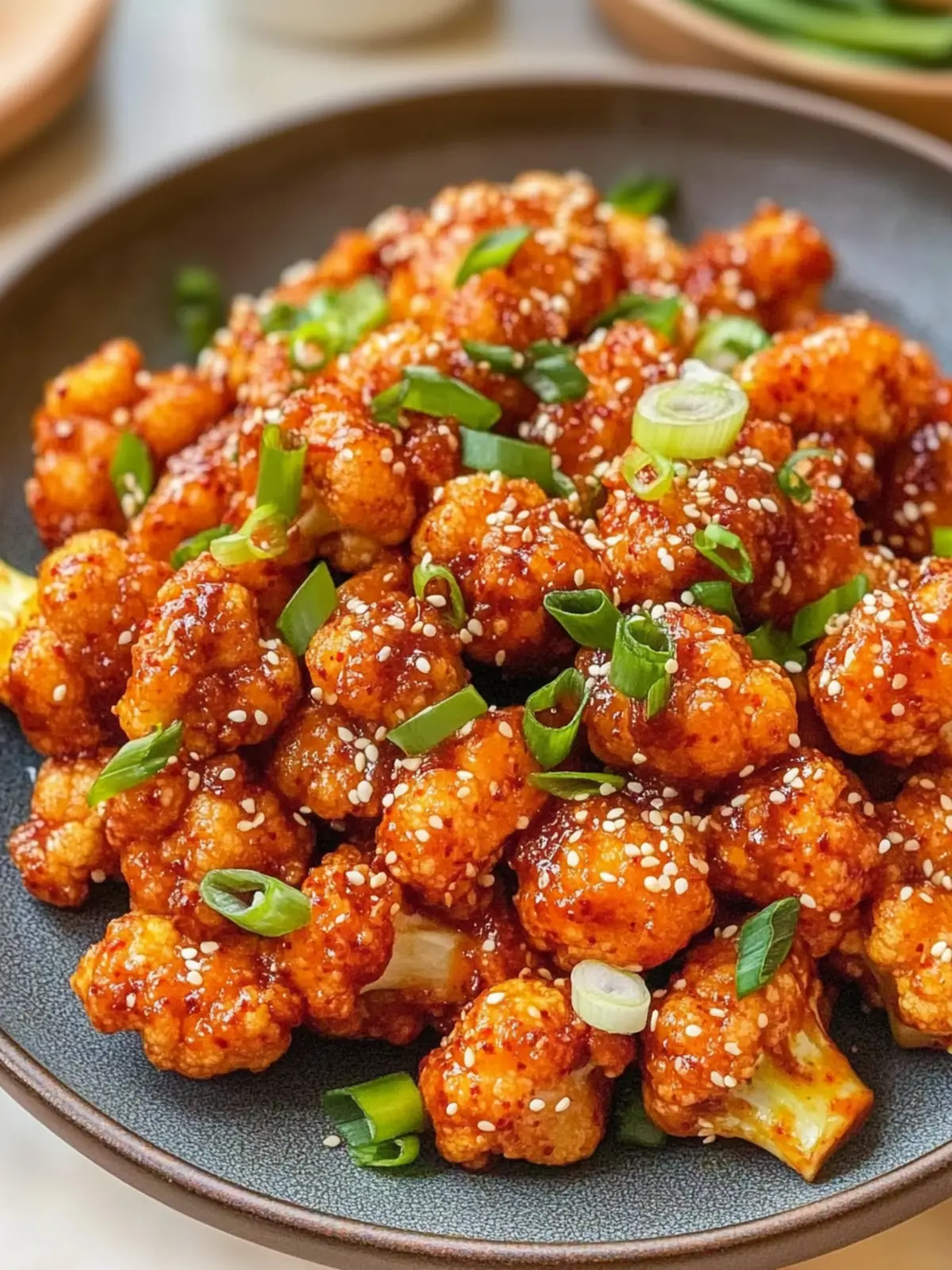
Savor Every Bite of Korean Gochujang Cauliflower Delight
Ingredients
Equipment
Method
- In a bowl, combine gochujang, maple syrup, ketchup, soy sauce, rice vinegar, minced garlic, and cornstarch. Stir until smooth, adjusting to your taste preferences.
- In another bowl, whisk together the all-purpose flour, cornstarch, baking powder, salt, and water. Mix until the batter is smooth and thick, resembling pancake batter.
- On a plate, spread out the breadcrumbs, creating a coating station for the cauliflower.
- Dip each cauliflower floret into the batter, ensuring it's evenly coated. Transfer it to the breadcrumbs and use one hand to coat well, pressing down gently.
- Continue to dip and coat all the cauliflower florets until each one is fully covered in breadcrumbs. Set aside on a plate for frying.
- In a frying pan, heat enough neutral oil over medium heat to submerge at least half of the cauliflower.
- To check if the oil is ready, drop in a few breadcrumbs; they should bubble immediately. If so, it’s time to fry.
- Carefully add the coated florets to the hot oil, cooking until golden brown, about 4-5 minutes. Gently move them around every 2 minutes for even cooking.
- Once golden, remove the cauliflower from the oil and place it on a strainer or a plate lined with paper towels to drain excess oil.
- Dispose of the oil from the pan and return it to medium heat. Re-mix the prepared sauce and pour it into the pan, heating until bubbling.
- Simmer the sauce over medium heat, stirring constantly until it thickens, about 2 to 3 minutes.
- Reduce the heat and add the fried cauliflower to the pan. Stir gently to coat the cauliflower evenly with the thickened sauce.
- For the best crunch, serve the coated cauliflower right away, ensuring it stays crispy.
- Enjoy any remaining sauce as a delicious dip alongside the cauliflower.
- Top the cauliflower with sesame seeds and chopped green onions for added flavor and visual appeal.